
The Kanshudo Blog

New Joy o' Kanji Thematic Bundles for January

Posted: 2026-01-27, Tags: joy-o-kanji kanji
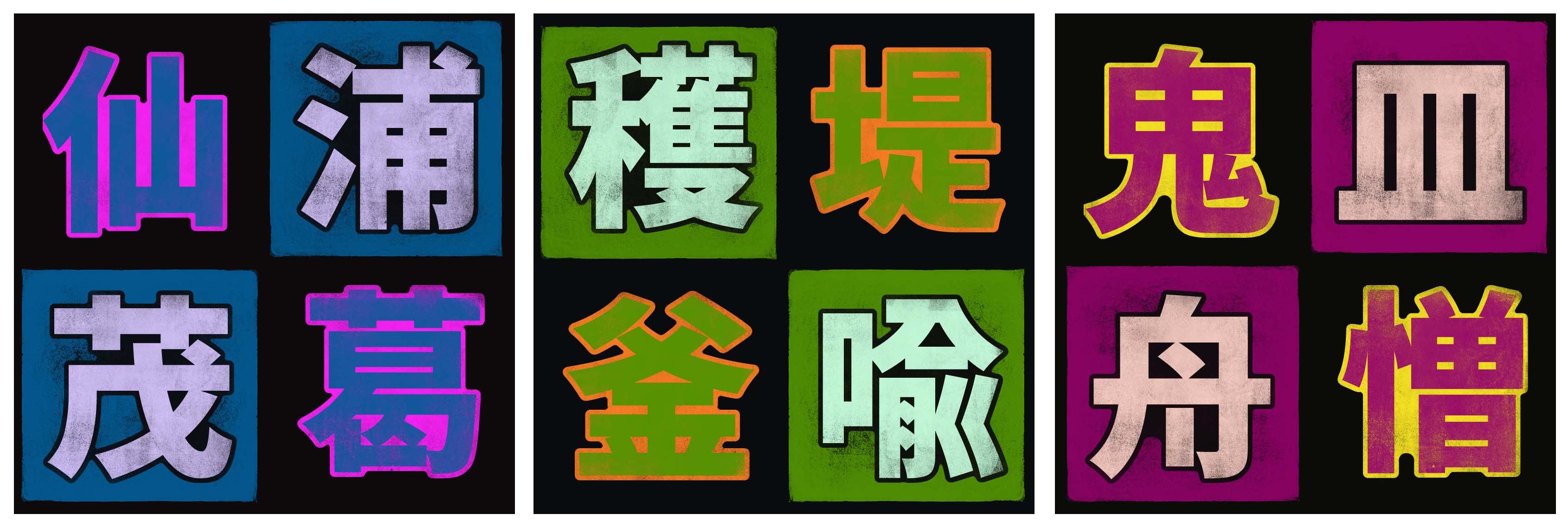
The essays in our first set of thematic kanji bundles for 2026 present Japanese folktales with three overarching themes: helping animals in distress (and seeing how they respond), grappling with anxiety about starvation (and taking action accordingly), and embarking on a quest for justice (often resorting to violence). If folktales reflect the concerns of the eras in which they emerged, what do these stories really show? One essay provides a framework for understanding Japanese folktales in general.
83
Rescuing Distressed Animals in Folktales
仙 浦 茂 葛

Helping a distressed animal should reap big karma points, and most folktales in this bundle reflect that view—but not all do. One man obeys an entreaty to treat animals better and finds himself handsomely rewarded. In "The Magic Tea Kettle," told here bilingually, a tanuki goes to great lengths to reward a good Samaritan with wealth. Another folktale has a similar ending, but despite a woodcutter's kindness to an injured sparrow, the old man is still tested. A final story stands as an anomaly; Taro Urashima aids a turtle and ends up punished with sudden-onset old age.
84
Folktales and Anxiety About Starvation
穫 堤 釜 喩

Anxiety about food scarcity bedeviled Japan for centuries. Accordingly, some folktales reflect deep concerns about starvation. In "The Stone Potatoes" (told bilingually here), someone disguised as a filthy priest begs a woman for potatoes, only for her to hoard her stash. "A Human Sacrifice in Kamashita" (presented bilingually here) depicts the gravity of having floods repeatedly destroy crops. Another essay refers to the same folktale, showing why the name "Kamashita" must have terrified people. A final essay in this collection argues that Japanese folktales often convey philosophy rather than lessons, which sheds light on the two stories.
85
Folktales and a Longing for Justice
鬼 皿 舟 憎
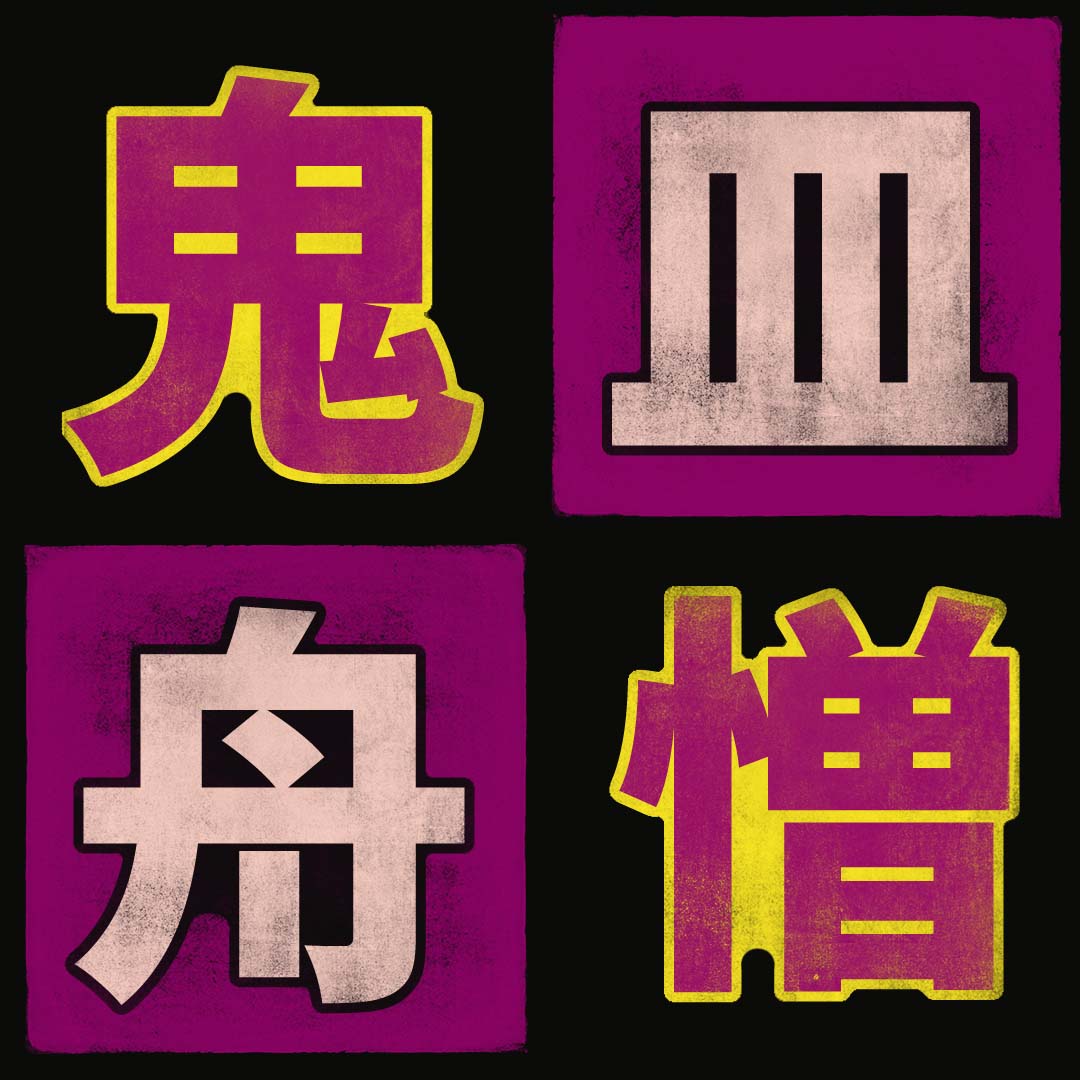
As this bundle shows, folktales about vengeance satisfy a human craving for justice. One depicts a spurned woman, Kiyohime, whose love turns to hatred and then to homicide. Another reflects a power imbalance between a would-be rapist and his female servant, Okiku. If one sees her as having the final say, that's salve for anyone who has felt powerless. In "Kachikachiyama," a rabbit punishes a wicked tanuki, fulfilling a universal longing for good to defeat evil. The story of Momotaro's battle may reflect a desire for justice on an international scale; the folktale could symbolize struggles between Japan and Korea.

Kanshudo is your AI Japanese tutor, and your constant companion on the road to mastery of the Japanese language. To get started learning Japanese, just follow the study recommendations on your Dashboard. You can use Quick search (accessible using the icon at the top of every page) to look up any Japanese word, kanji or grammar point, as well as to find anything on Kanshudo quickly. For an overview, take the tour.

×