
Components

捕 means 'catch'

Animation / stroke order not available.
LOG IN to view this kanji's mnemonic
Strokes : 10    Frequency: 795   JLPT: N3    Usefulness: 3    Study set: 3-18    Grade: 8   Intermediate lesson: 31    Beginner lesson: -   Begins 44 words   Used in 105 words   Used in 9 names   Component in 1 kanji (0 Jōyō)
Jōyō (常用)
On
   ホ
Kun
     らえる   つかまえる to catch, to grasp   らわれる   つかまる to be caught
A Joy o' Kanji essay is available for 捕 - click the badge to download
Some of the six Joyo yomi associated with 捕 sound like tongue twisters. This essay tames them through mnemonics and an exercise. Learn to say, "Television viewers see only what the camera captures," "She's a slave to fashion," and "He was eaten up with guilt." See what it means for a person in Japan to have a "main point" or, conversely, to be incomprehensible to others.
The essay is also included in the following Thematic Bundles
101
Edo Era: Brushes with the Law
靴 錠 捕 袖
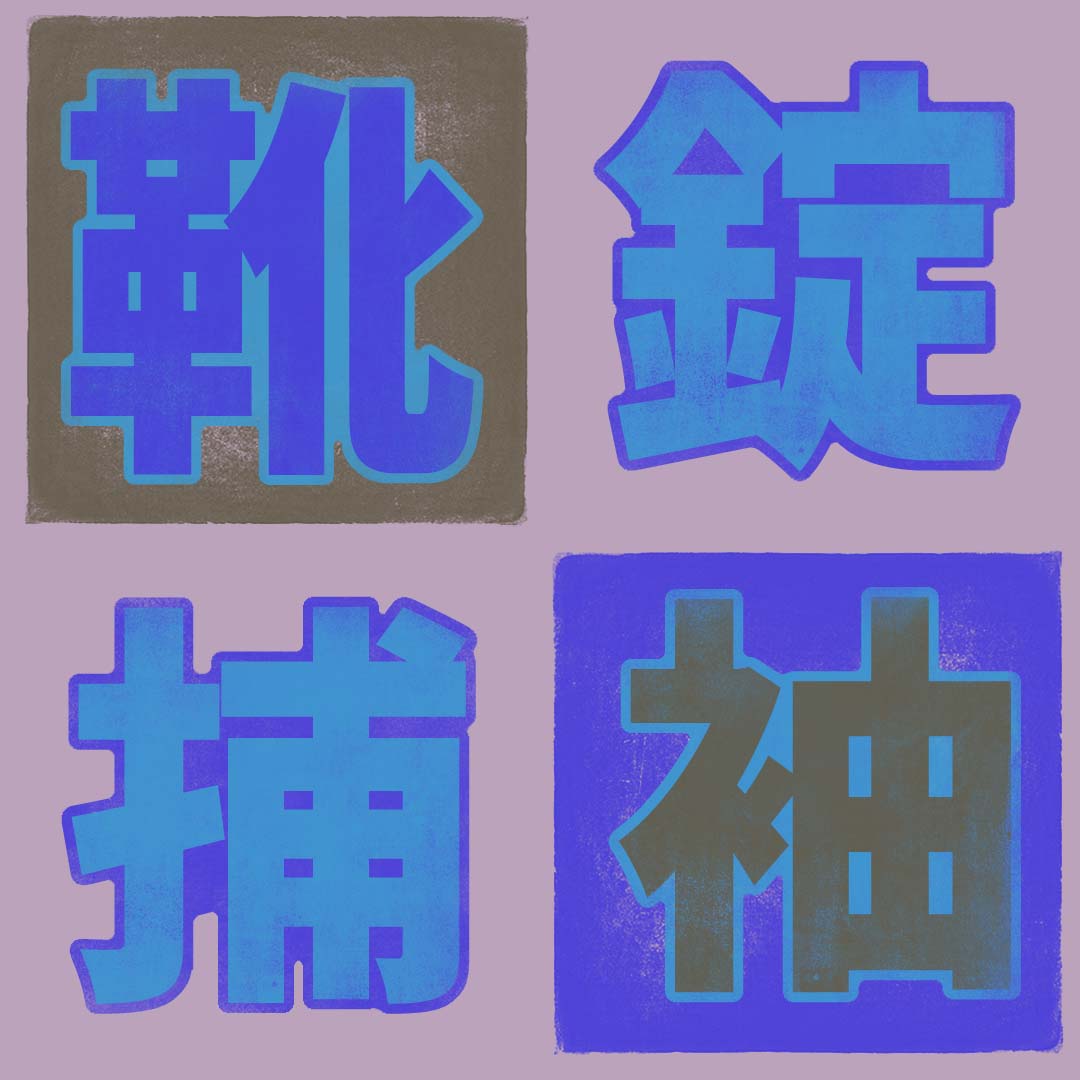
As one essay in this bundle shows, theft wasn't rampant in the Edo period (1603–1867). Regular people didn't even lock their homes, greatly trusting their communities. But as other essays reflect, the era gave rise to copious crime novels, detectives' memoirs, and dramas, so people clearly did commit crimes. Arrests ensued; barbed metal made it possible to catch suspects, and the police then bound detainees' hands with rope. Officers weren't squeaky-clean, though. One expression alludes to a particular man who was both a gambler and a policeman. In the latter capacity, he cracked down on gamblers!
⿰   () hand   first time; the first time  
Explore these components visually on The Kanji Map ⇗
LOG IN to view kanji mastery data
LOG IN to view your flashcards
In the most useful 10,000 words in Japanese, 捕 is used 10 times, read 3 ways.
Across all words in Japanese, 捕 is used 100 times, read 3 ways (with 2 variations).
Showing:
ホ : 54 words FIND ALL
1
arrest; apprehension; capture
(click the word for examples and links)
: 28 words FIND ALL
3
Most common form: 捉える
ichidan verb, transitive verb
1. to seize; to capture; to arrest
2. to grasp; to perceive; to treat (as)
(click the word to view an additional 3 forms, examples and links)
(read as ど) : 8 words FIND ALL
3
Most common form: ぶん取る
'ru' godan verb, transitive verb
to capture; to seize; to plunder
(click the word to view an additional 2 forms, examples and links)
つかまえる : 6 words FIND ALL
3
'ru' godan verb, intransitive verb
1. to be caught; to be arrested  (usu. 捕まる)
2. to hold on to; to grasp  (usu. 掴まる; often written with kana only)
(click the word to view an additional 2 meanings and 4 forms, examples and links)
(read as とり) : 4 words FIND ALL
4 3 0
noun
1. constable
2. method of catching criminals
(click the word to view an additional 1 form, examples and links)
Additional less common words include 捕 but readings have not yet been categorized.
Henshall: 1784  Joy o' Kanji : 1784  Key to Kanji:

Cascading kanji view

ホ   と    とらえる    つかまえる to catch, to grasp   とらわれる    つかまる to be caught   
Please LOG IN to view this kanji's mnemonic
ホ    the first time   
Please LOG IN to view this kanji's mnemonic
ヨウ   もちいる to use   
ジュウ   ジッ   と    とお ten   
Please LOG IN to view this kanji's mnemonic
イチ   イツ   ひと    ひと- one   
stick   
dot   
hand
Problem with this kanji? Question or comment? Please CONTACT US.

Kanshudo is your AI Japanese tutor, and your constant companion on the road to mastery of the Japanese language. To get started learning Japanese, just follow the study recommendations on your Dashboard. You can use Quick search (accessible using the icon at the top of every page) to look up any Japanese word, kanji or grammar point, as well as to find anything on Kanshudo quickly. For an overview, take the tour.
Search results include information from a variety of sources, including Kanshudo (kanji mnemonics, kanji readings, kanji components, vocab and name frequency data, grammar points, examples), JMdict (vocabulary), Tatoeba (examples), Enamdict (names), KanjiVG (kanji animations and stroke order), and Joy o' Kanji (kanji and radical synopses). Translations provided by Google's Neural Machine Translation engine. For more information see credits.
×