
部
Components

斥 means 'reject'

Animation / stroke order not available.
LOG IN to view this kanji's mnemonic
Strokes : 5    Frequency: 2766   JLPT: N1    Usefulness: 5    Study set: 5-49    Grade: 8   Intermediate lesson: -    Beginner lesson: -   Begins 6 words   Used in 13 words   Used in 5 names   Component in 8 kanji (1 Jōyō)
Jōyō (常用)
On
   セキ
Kun    しりぞける reject, retreat, recede, withdraw, repel, repulse
A Joy o' Kanji essay is available for 斥 - click the badge to download
Learn to talk about rejecting suggestions and plans, and find out how to say, "They dismissed his criticism as hypocrisy." Read about campaigns against Japanese goods, and study Japanese Wikipedia passages about the North American history of banning Asian immigrants. Discover which sports Japan encouraged and disallowed during wartime. Bonus: study space science!
The essay is also included in the following Thematic Bundles
111
Meiji Era: Moving Away from Traditional Culture
襟 斥 舞 妖
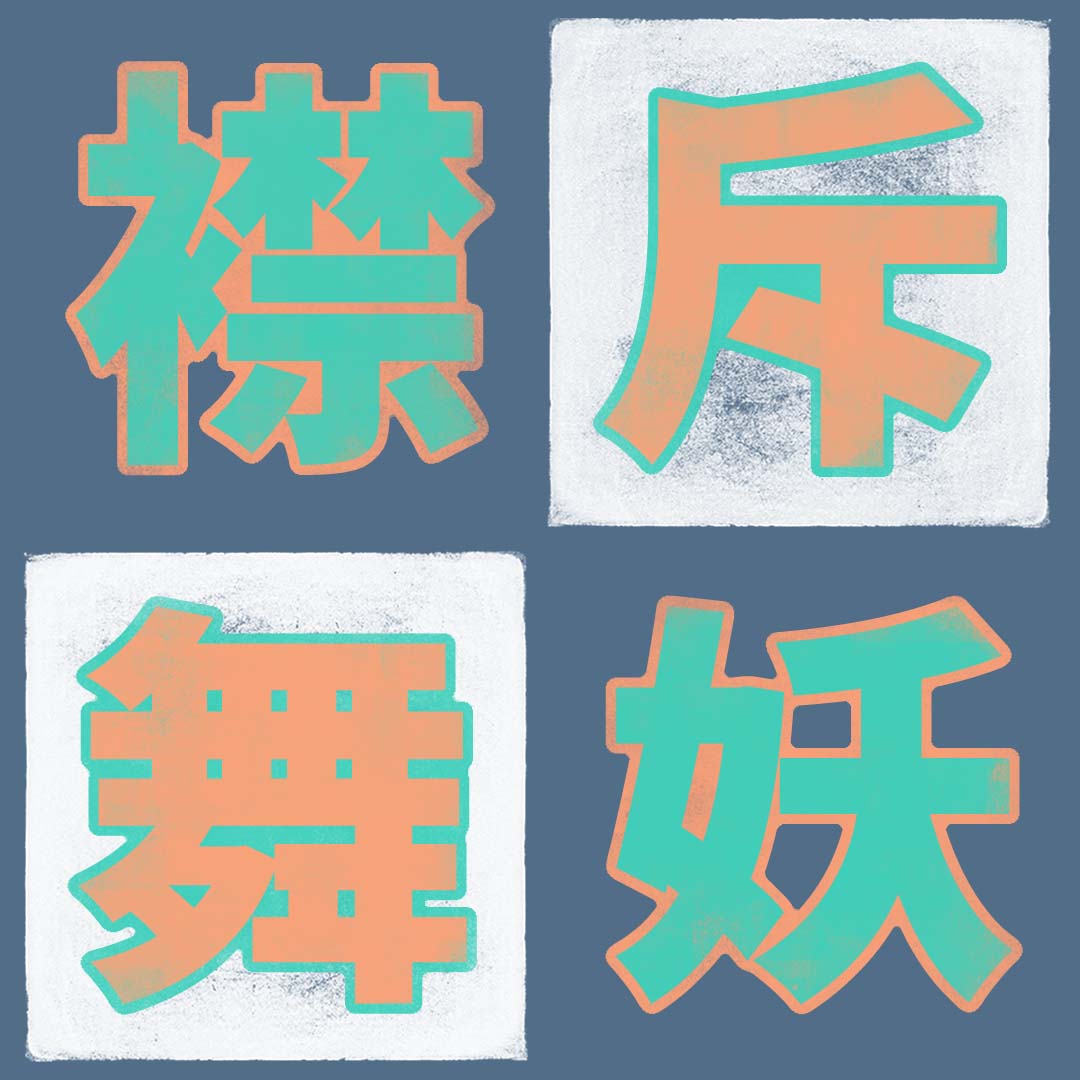
In the Meiji era (1868–1912), a westernizing Japan moved away from traditional culture, as this bundle illustrates. People rejected certain superstitions as embarrassing, such as a belief in yokai (supernatural creatures). Kabuki became more modern and radical. The Japanese viewed some Western attire as stylish, including clothing with high collars. Meiji-era students dressed shabbily to convey that they were intellectuals, inspiring a term for "unconcerned about one's personal appearance." But East sometimes clashed with West; a push to keep Japanese painting styles purely Japanese sparked boycotts of Western art.
115
Meiji Era: Improbable Victory in the Russo-Japanese War
斥 露 捉 旦
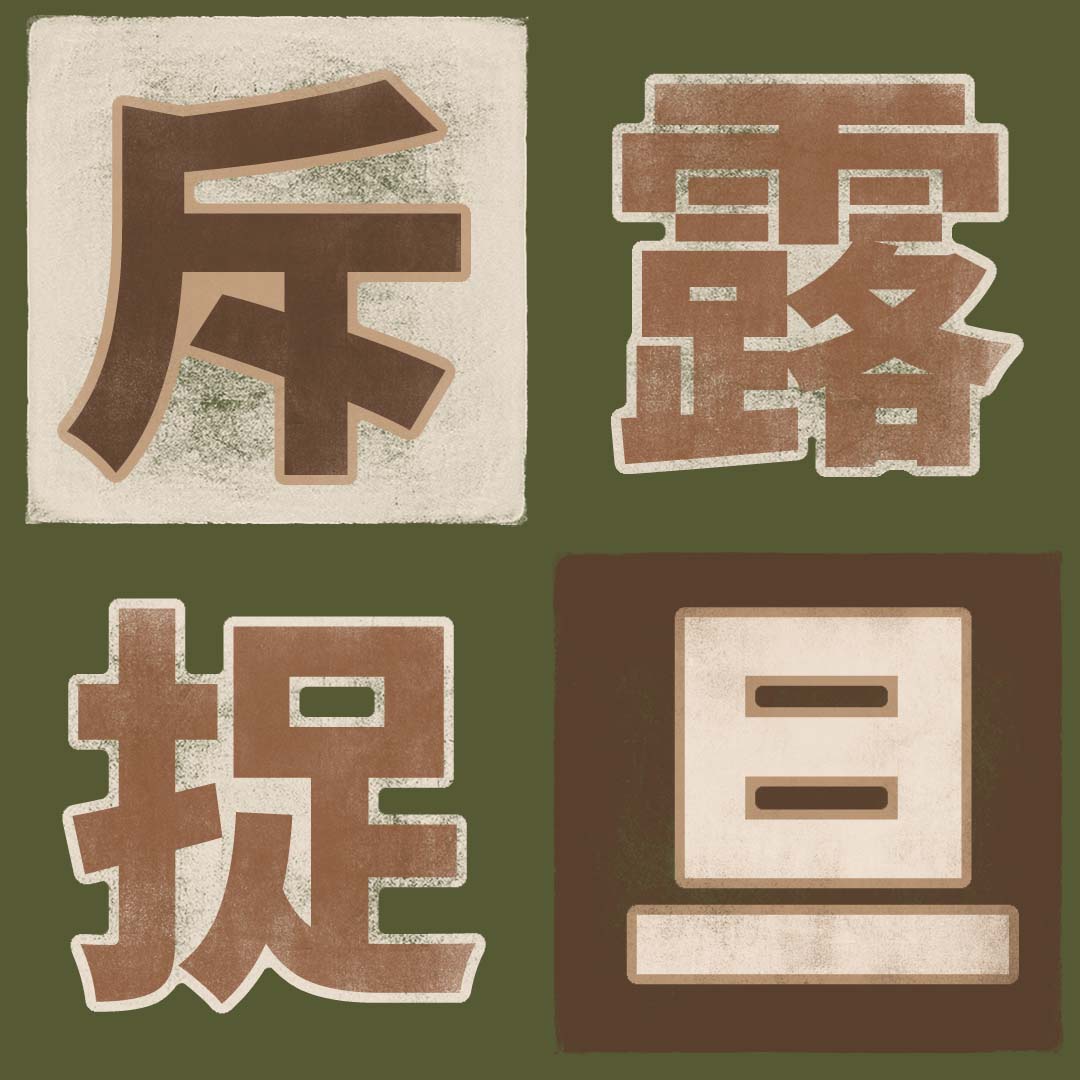
The Russo-Japanese War (1904–1905) pitted Russia's powerful navy against the outmatched Japanese. As this bundle shows, Japan fought doggedly. One cavalry lieutenant traveled unthinkable distances in terrible conditions to gather vital reconnaisance behind enemy lines. His heroics inspired a novel and film. The Japanese persisted for five months in the violent Siege of Port Arthur. Finally, the Japanese prevailed in the Battle of Tsushima, winning the war and diminishing Russian strength in East Asia. Japanese optimism came through even in the name of the stomach medicine soldiers received; the kanji meant "pills to conquer Russia"!
⿻  斤 axe  丶 dot  
Explore these components visually on The Kanji Map ⇗
刃 blade  
LOG IN to view kanji mastery data
LOG IN to view your flashcards
In the most useful 10,000 words in Japanese, 斥 is used 1 time, read 1 way.
Across all words in Japanese, 斥 is used 13 times, read 2 ways (with 1 variation).
Showing:
セキ : 8 words FIND ALL
は い せ き 0
rejection; expulsion; boycott; ostracism
(click the word for examples and links)
セキ (read as せっ) : 3 words FIND ALL
せ っ こ う 0
scout; patrol; spy
(click the word for examples and links)
しりぞける : 2 words FIND ALL
し り ぞ く 3
Most common form: 退く
'ku' godan verb, intransitive verb
1. to step back; to move back
2. to leave (the presence of a superior); to withdraw; to retreat; to concede
(click the word to view an additional 1 meaning and 1 form, examples and links)
Additional less common words include 斥 but readings have not yet been categorized.
Henshall: 1480  Joy o' Kanji : 1480  Key to Kanji: - 

Cascading kanji view

斥
セキ    reject   
Please LOG IN to view this kanji's mnemonic
斤
キン   axe
Please LOG IN to view this kanji's mnemonic
丅
カ   ゲ   した below, under   くだる to descend   さげる to lower, to reduce   
⺁
cliff
丶
dot   
Problem with this kanji? Question or comment? Please CONTACT US.

Kanshudo is your AI Japanese tutor, and your constant companion on the road to mastery of the Japanese language. To get started learning Japanese, just follow the study recommendations on your Dashboard. You can use Quick search (accessible using the icon at the top of every page) to look up any Japanese word, kanji or grammar point, as well as to find anything on Kanshudo quickly. For an overview, take the tour.
Search results include information from a variety of sources, including Kanshudo (kanji mnemonics, kanji readings, kanji components, vocab and name frequency data, grammar points, examples), JMdict (vocabulary), Tatoeba (examples), Enamdict (names), KanjiVG (kanji animations and stroke order), and Joy o' Kanji (kanji and radical synopses). Translations provided by Google's Neural Machine Translation engine. For more information see credits.
×