
The Kanshudo Blog

New Joy o' Kanji Thematic Bundles for February

Posted: 2026-03-01, Tags: joy-o-kanji kanji
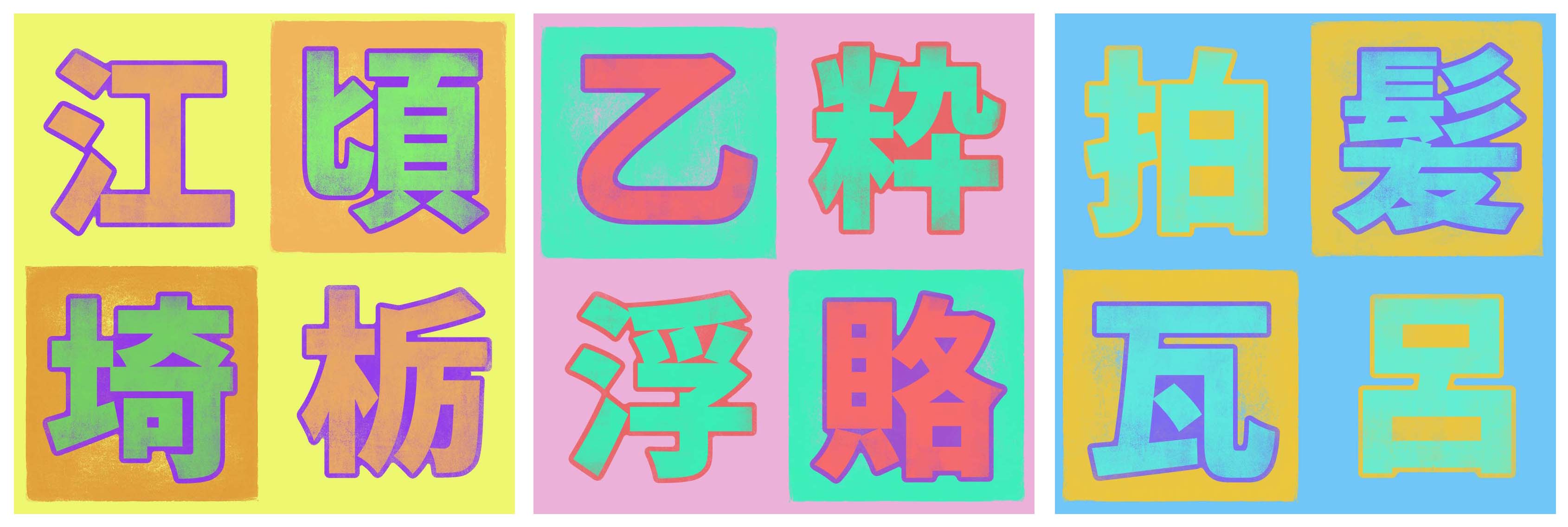
Twelve essays bring us into the Edo era (1603–1867), giving a comprehensive overview of the spirit of the day. From the prevailing hedonism to a new sophisticated aesthetic, from the frequent fires to the rich arts scene, from the barbershops to the bathhouses - these three bundles give a sweeping sense of "Big Edo" (as well as "Little Edo").
86
Edo-Era Primer
江 頃 埼 栃
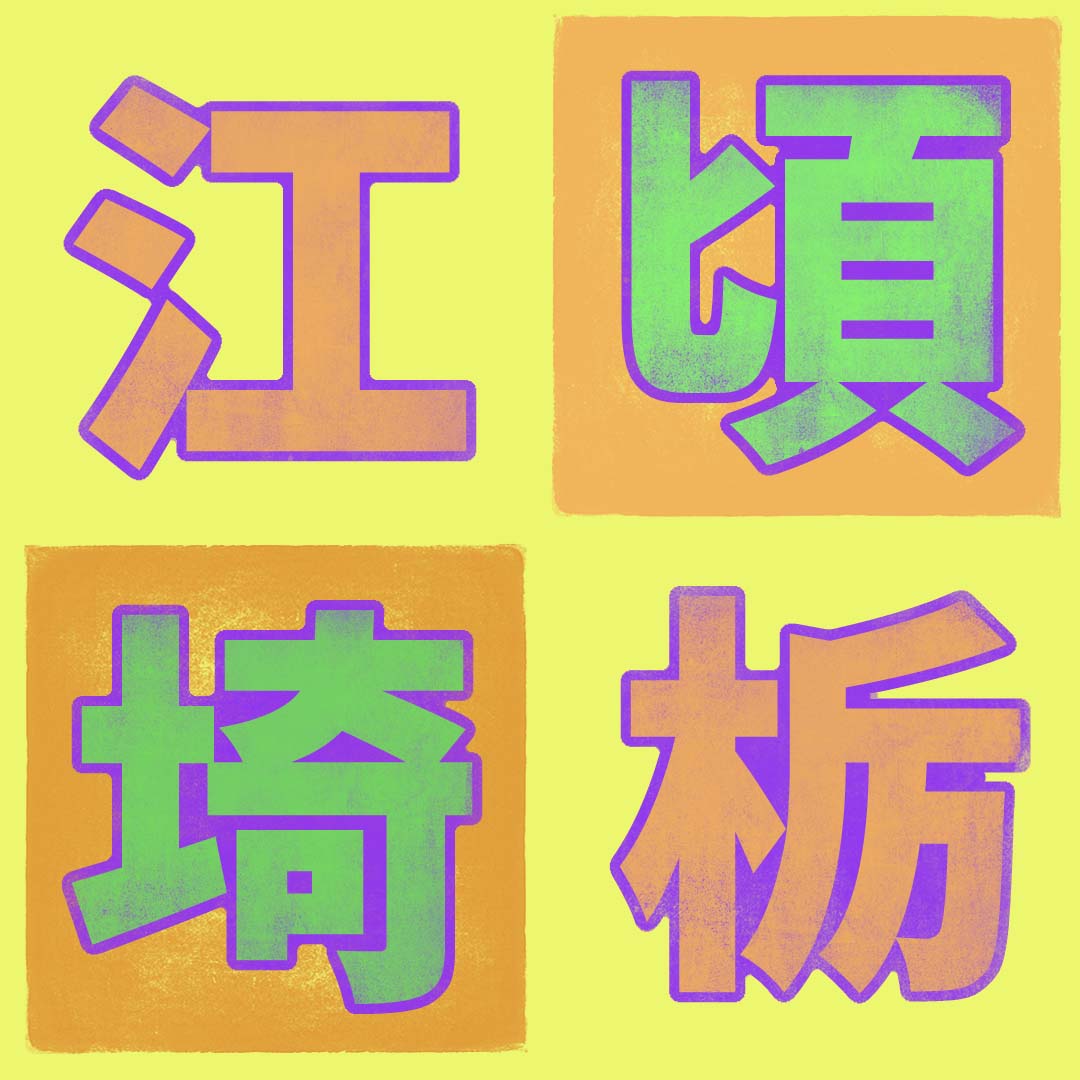
This bundle is your gateway to the Edo era (1603–1867). The 江 essay deeply explores the carpe diem mentality, ukiyo-e (artwork), the constant fires, the traits of Edokkos (Edo natives), Edo script, and much more. The 頃 essay portrays the period as the golden age of kabuki, comic poetry, rakugo (stories), sumo, and street performances, also illuminating the term "Big Edo." By contrast, the 埼 essay spotlights "Little Edo" (Kawagoe in Saitama) with its historic buildings and a museum depicting the lives of Edo merchants. Finally, the 栃 essay mentions a cultural theme park that re-creates the Edo era.
87
Edo Era: Spirit of the Times
乙 粋 浮 賂
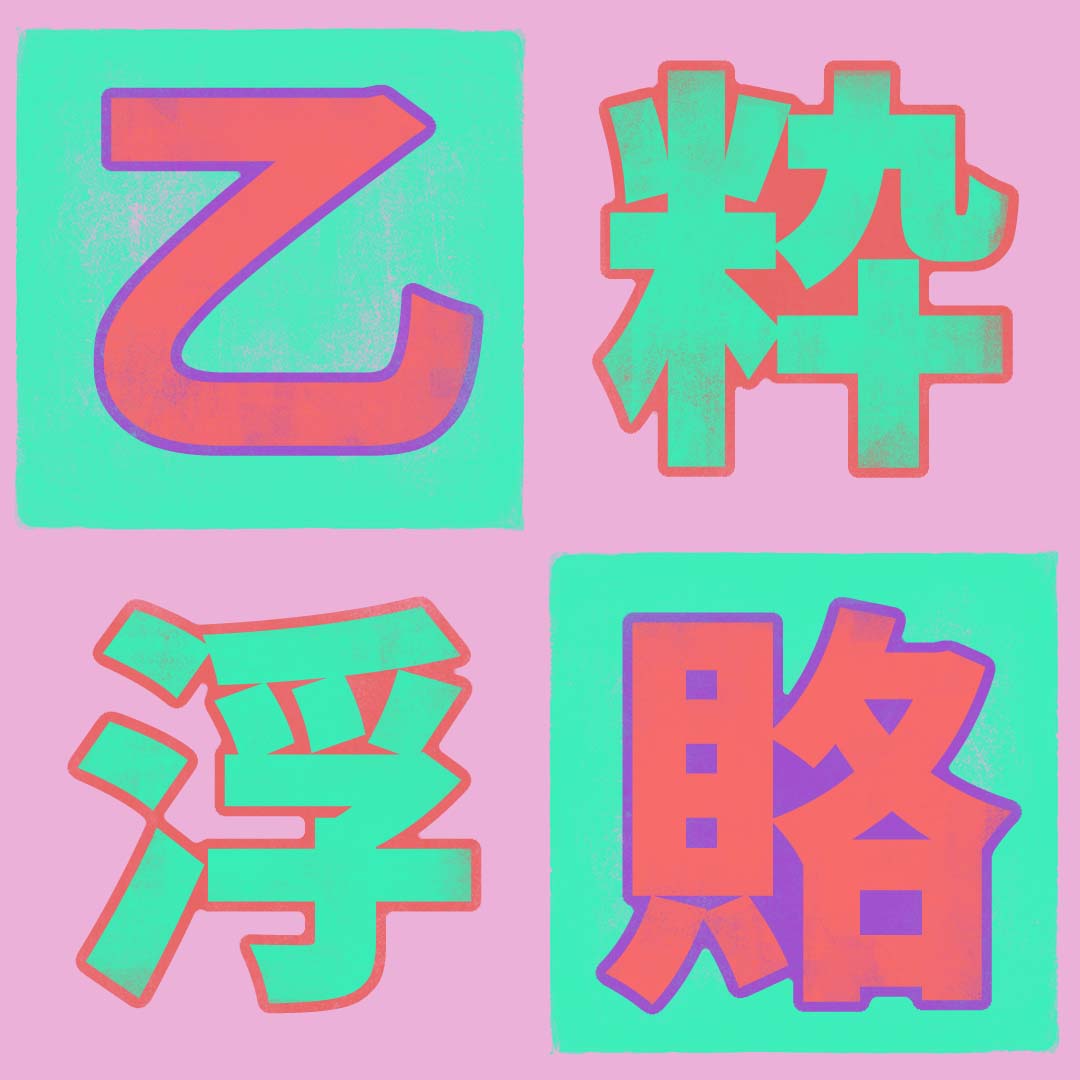
In the Edo era (1603–1867) the aesthetically aware Japanese began using 粋, a word representing a delicate sense of beauty. Though 乙 as "stylish" conveys something quite similar, only 粋 drives the phrase 江戸の粋 which could translate as "spirit or sophistication of Edo culture" or "understated stylishness." The 浮 essay showcases woodblock prints (which portrayed daily life, scenes in history, kabuki actors, sumo wrestlers, landscapes, erotica, and more), exploring their connection to people's hedonism. And the 賂 essay presents Edo as a hotbed of bribery. Edo residents may have viewed bribes as virtues, not vices!
88
Edo Era: People's Daily Lives
拍 髪 瓦 呂
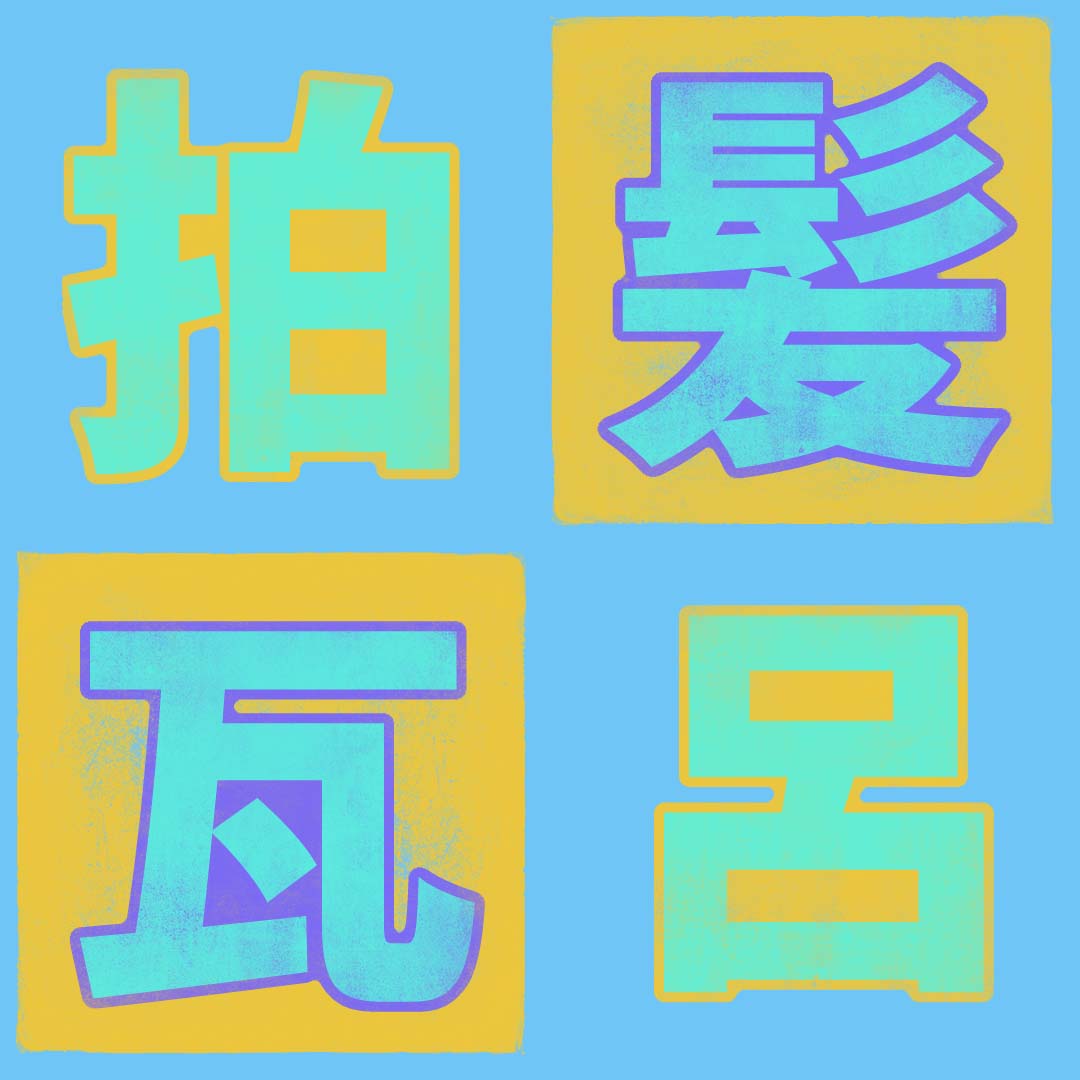
During the Edo era (1603–1867), most houses were made of wood and paper, topped by thatched roofs and crowded together in cities, so fires frequently erupted, particularly in Edo. The 拍 and 瓦 essays show which measures people took as a result. Citizens patrolled neighborhoods, calling out "Beware of fire!" And Edo residents embraced ceramic roof tiles, complying with new government regulations. The other two essays show where regular folks spent their days—at barbershops and public bathhouses—both doubling as gathering places. In Edo, bathhouses also became closely associated with prostitution.

Kanshudo is your AI Japanese tutor, and your constant companion on the road to mastery of the Japanese language. To get started learning Japanese, just follow the study recommendations on your Dashboard. You can use Quick search (accessible using the icon at the top of every page) to look up any Japanese word, kanji or grammar point, as well as to find anything on Kanshudo quickly. For an overview, take the tour.

×