
103
Bundle 103: Edo Era: Government Overreach

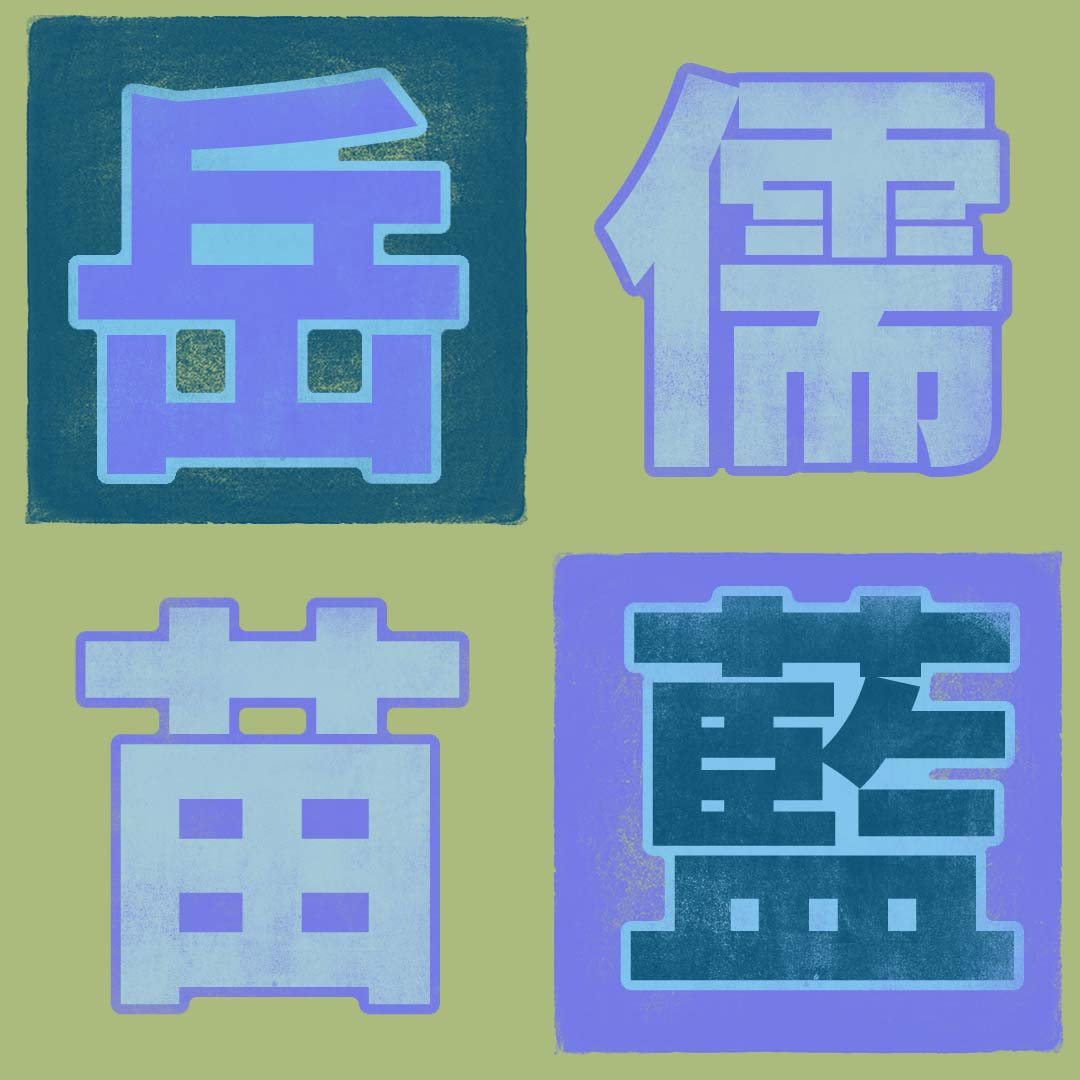
岳
mountain peak
JOK: 1082
See how Mount Fuji connects to a supercomputer that can save Japan. Find out how politicians hobbled science research for years. Discover a legend about how Fuji became taller than its rival. Learn to say, "Mount Yatsugatake is a range with eight peaks," "This dog is trained to save people in the mountains," "Mountain rescue teams are on standby," and "The mountaineer set out for the summit."
儒
Confucius
JOK: 1352
"Even though Japanese ways of thinking are based on Shinto, Buddhism, and Confucianism, many people think they have no religion." That sample sentence in this essay sheds light on how Confucianism (with its emphasis on hierarchy, filial piety, and education) permeates the culture but how the Japanese don't necessarily recognize the Confucianism underlying their values.
苗
seedling
JOK: 1740
Find out about the literal side of 苗 (e.g., all that happens before rice seedlings go into paddies) and the figurative aspects of 苗 (e.g., when the "seedlings" of a culture bear delicious fruits). See how seedlings played key roles in "The Mutiny on the Bounty" and in one Nobel Peace Prize winner's work. Also discover why 苗 can mean "Hmong" and how it relates to smallpox.
藍
indigo
JOK: 2130
Indigo became important in Japan partly because commoners couldn’t wear silk and instead chose cotton. Farmers’ indigo work togs shaped the creative inclinations of a contemporary dyer who loves to wrestle with indigo’s “persona.” A term for “temple” is inside a word for “pelican,” just as “cabbage” lies inside “kale” and “brussels sprouts.” The essay unravels all of these mysteries.
Kanshudo is your AI Japanese tutor, and your constant companion on the road to mastery of the Japanese language.
To get started learning Japanese, just follow the study recommendations on your Dashboard.
You can use Quick search (accessible using the icon at the top of every page) to look up any Japanese word, kanji or grammar point, as well as to find anything on Kanshudo quickly.
For an overview, take the tour.
