
105
Bundle 105: Meiji Era: Resisting the Revolution

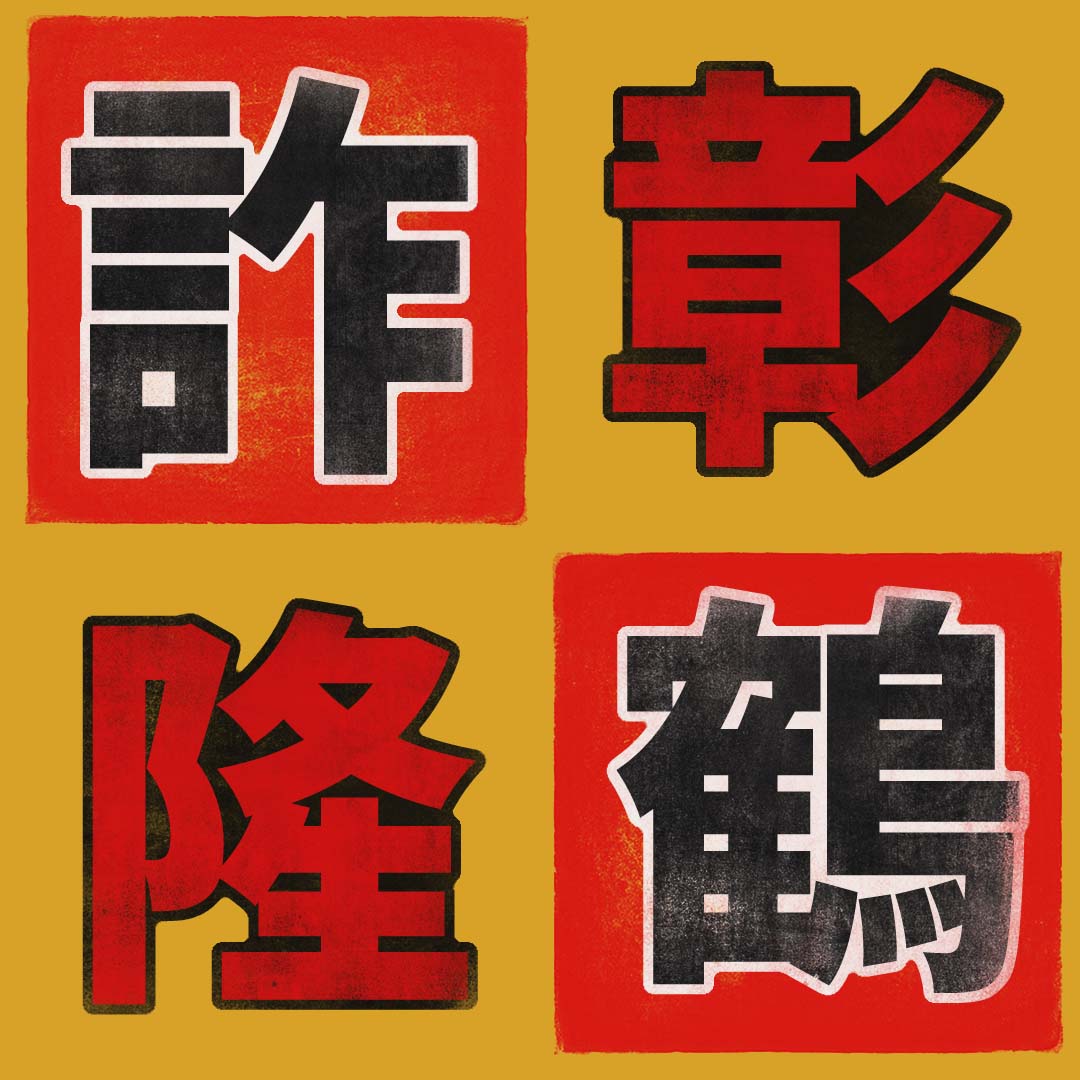
詐
lie
JOK: 1285
This essay includes the title "Fraud Lurks Close By: You Have Already Been Deceived." After all, technology facilitates scams. See how the yakuza posted a notice that shocked Tokyo residents. Learn how to say, "to deceive," "to fall for," "A swindler uses criminal techniques like taking advantage of carelessness," "What he did is, in short, fraud," and "Internet scams catch users off-guard."
彰
patent
JOK: 1410
From statues and commemorative coins to Nobel Prizes and Employee-of-the-Month awards, people honor achievements in many ways - even with edible testimonials! From this essay you'll learn the relevant Japanese vocabulary, the salient facts about two dramatic chapters in history (the Horeki River Improvement and the Shogitai), and the figurative usage of "yoke" in Japanese.
隆
prosperity
JOK: 1901
In English, prosperous shops, flourishing democracies, and muscular frames have zero in common, but 隆 helps to describe them all. Similarly, you can refer to bulging biceps and newly formed mountains with one adjective. Learn to say, "Silkworm farming flourished during the Edo period," "The Fujiwara clan reached its height in the Heian era," and "He showed up in a stylish suit."
鶴
crane
JOK: 2072
Cranes once lived in large flocks in Japan but have since become scarce. By contrast, the image of the crane pops up everywhere. As a symbol of 'longevity' and 'good fortune,' this bird appears in proverbs, paintings, ceramics, poems, Noh dramas, songs, folktales, and even math problems! Find out about the significance of folded paper cranes and the true story of Sadako Sasaki.
Kanshudo is your AI Japanese tutor, and your constant companion on the road to mastery of the Japanese language.
To get started learning Japanese, just follow the study recommendations on your Dashboard.
You can use Quick search (accessible using the icon at the top of every page) to look up any Japanese word, kanji or grammar point, as well as to find anything on Kanshudo quickly.
For an overview, take the tour.
