
106
Bundle 106: Meiji Era: Revolutionary Thinking

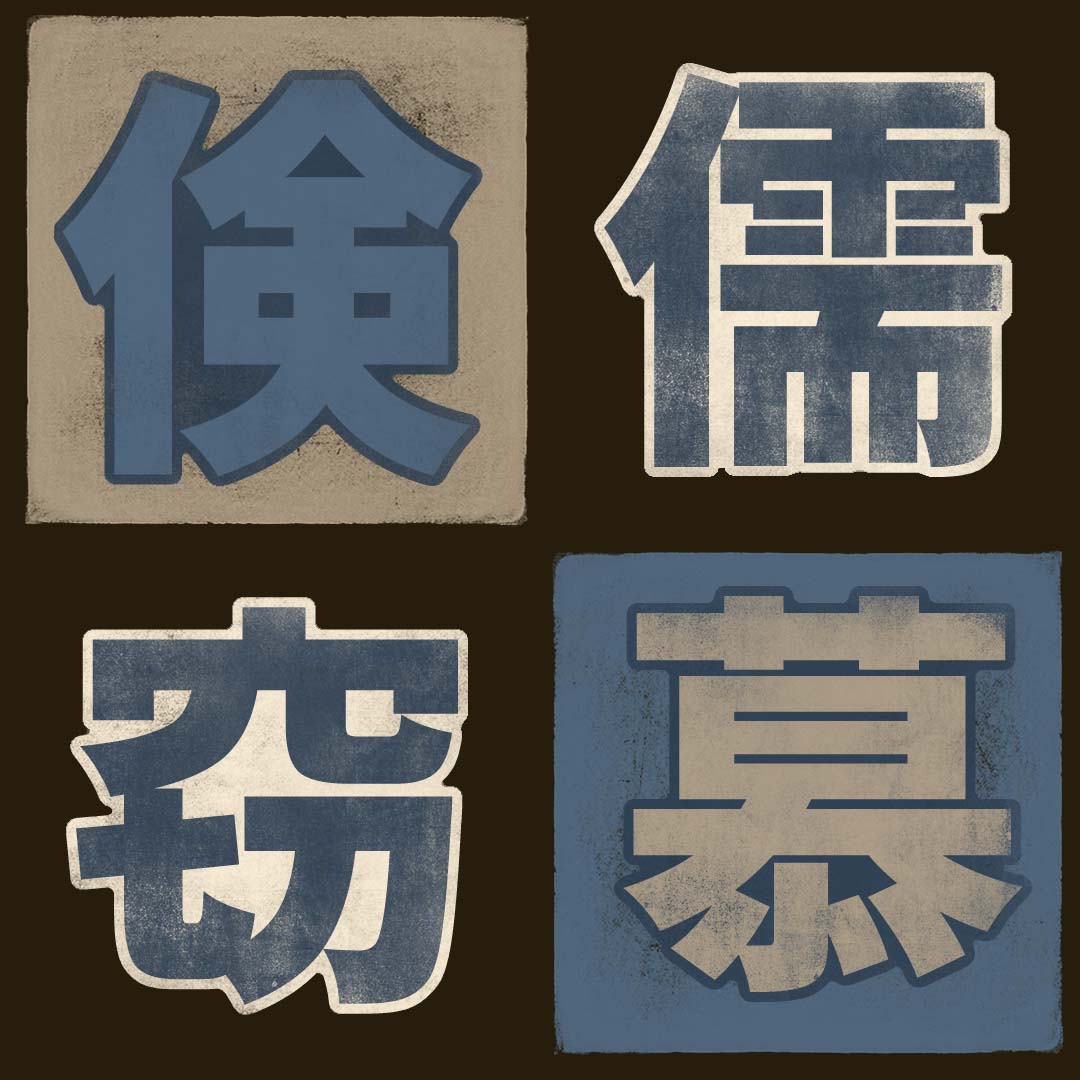
倹
thrifty
JOK: 1213
Find out why the Japanese have long valued thrift—but less so now. Read about the tyranny of gift exchanges. Learn to say, “He scrimped and saved for many years,” “To make our house payments, we'll have to tighten our belts,” and “Though he is fairly well off, he is frugal. He takes after his father in that respect.” Also see how John Lennon and Yoko Ono connect to this discussion of frugality.
儒
Confucius
JOK: 1352
"Even though Japanese ways of thinking are based on Shinto, Buddhism, and Confucianism, many people think they have no religion." That sample sentence in this essay sheds light on how Confucianism (with its emphasis on hierarchy, filial piety, and education) permeates the culture but how the Japanese don't necessarily recognize the Confucianism underlying their values.
窃
stealth
JOK: 1488
By reading about everything from art heists to kleptomania, learn to say that a person is suspected of theft, is charged with theft, and is guilty of theft. Find out what there is to steal from Japanese temples and how such thefts have played out internationally. See whether or not the Japanese have traditionally protected their property and whether or not thievery has been an issue in Japan.
慕
pine
JOK: 1788
With 慕 we can express nonromantic love, as in sentences that mean “The girl is deeply attached to her aunt,” “He is longing for his mother,” and “He was pining for his hometown.” But 慕 can also represent romantic adoration, as in “She went to Tokyo to follow the man she adored.” See why one would use 喪う over 失う and what it means to steer a ship up a mountain.
Kanshudo is your AI Japanese tutor, and your constant companion on the road to mastery of the Japanese language.
To get started learning Japanese, just follow the study recommendations on your Dashboard.
You can use Quick search (accessible using the icon at the top of every page) to look up any Japanese word, kanji or grammar point, as well as to find anything on Kanshudo quickly.
For an overview, take the tour.
