
110
Bundle 110: Meiji Era: Western Knowledge Permeates Japan

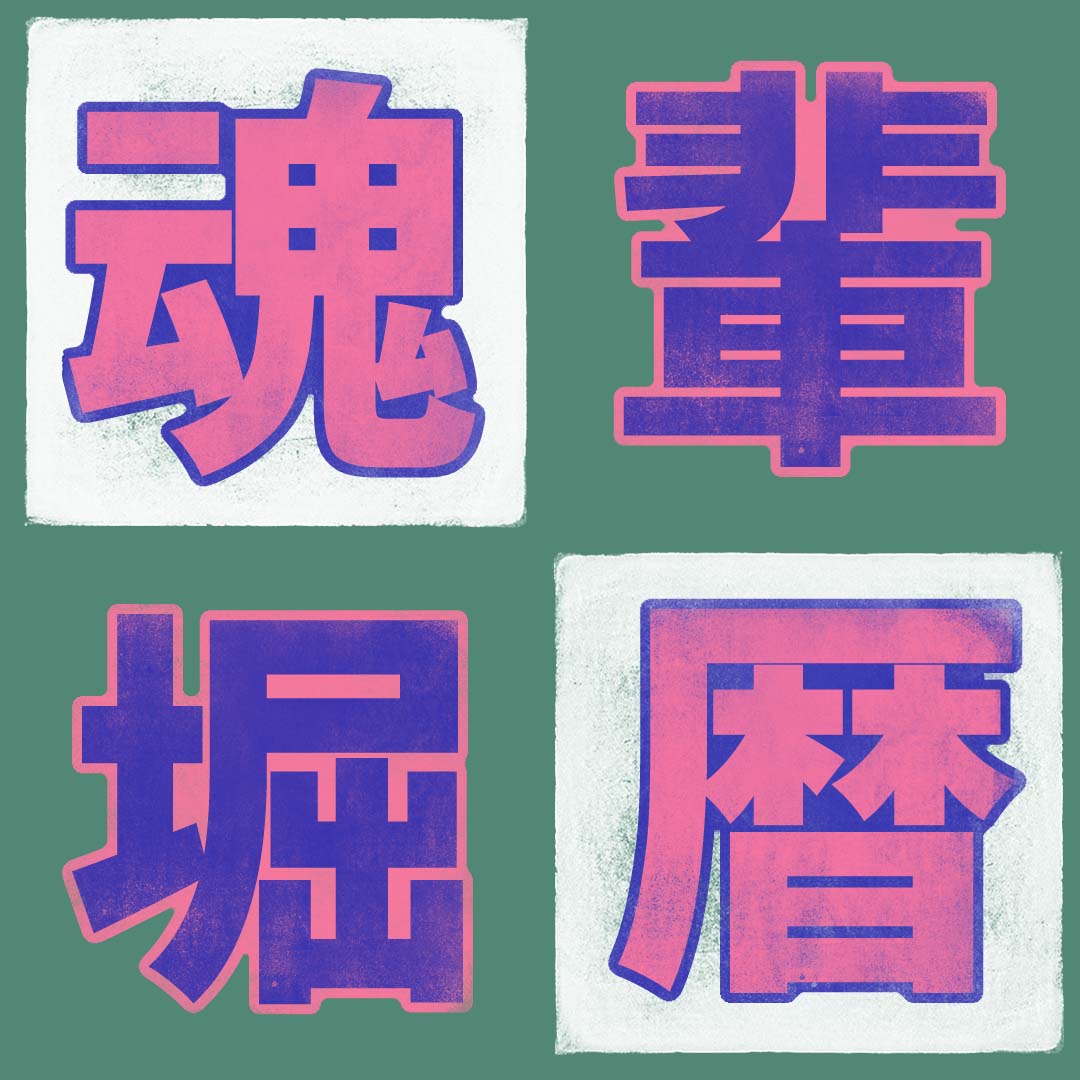
魂
soul
JOK: 1280
As you can see from terms such as 大和魂 (the Japanese spirit), 言霊 (the soul of language), and 士魂商才 (having a samurai's spirit and a merchant's business sense), matters of the soul and spirit are important in Japan. Learn to talk about putting your heart and soul into something, plus kanji as the soul of Japan. Also find out how to welcome back dead spirits on o-Bon.
輩
colleague
JOK: 1688
Find out about superior-inferior relationships in schools and workplaces and discover what upends that “seesaw.” Learn to say, “He is quite popular with his peers,” “She was promoted over her seniors,” “He is my junior by three years,” “He forgets his position and speaks impertinently to his seniors,” and “Many talented people emerged toward the end of the Edo period.”
堀
ditch
JOK: 1824
Through this photo-rich essay (which includes gorgeous pictures of castle towers alongside moats), you'll learn why the Japanese sometimes created dry moats, how moats with lattice bottoms deterred enemies, how moat layout related to socioeconomic strata, how both moats and canals have left marks on Tokyo and Osaka, what it means to "bridge a moat" figuratively, and more!
暦
calendar
JOK: 1927
Learn why Amazon describes a new calendar as 新暦・旧暦. Find out about Japan's relatively recent switch to a solar calendar, an event that inspired a novel, manga, and movie! Learn to calculate age and the year in multiple ways, read about the significance of turning 60 in Japan, and learn about calendars for illiterates and flower calendars. Also see why one temple has 暦 in its name.
Kanshudo is your AI Japanese tutor, and your constant companion on the road to mastery of the Japanese language.
To get started learning Japanese, just follow the study recommendations on your Dashboard.
You can use Quick search (accessible using the icon at the top of every page) to look up any Japanese word, kanji or grammar point, as well as to find anything on Kanshudo quickly.
For an overview, take the tour.
