
117
Bundle 117: Taisho Era: An Earthquake Levels Tokyo

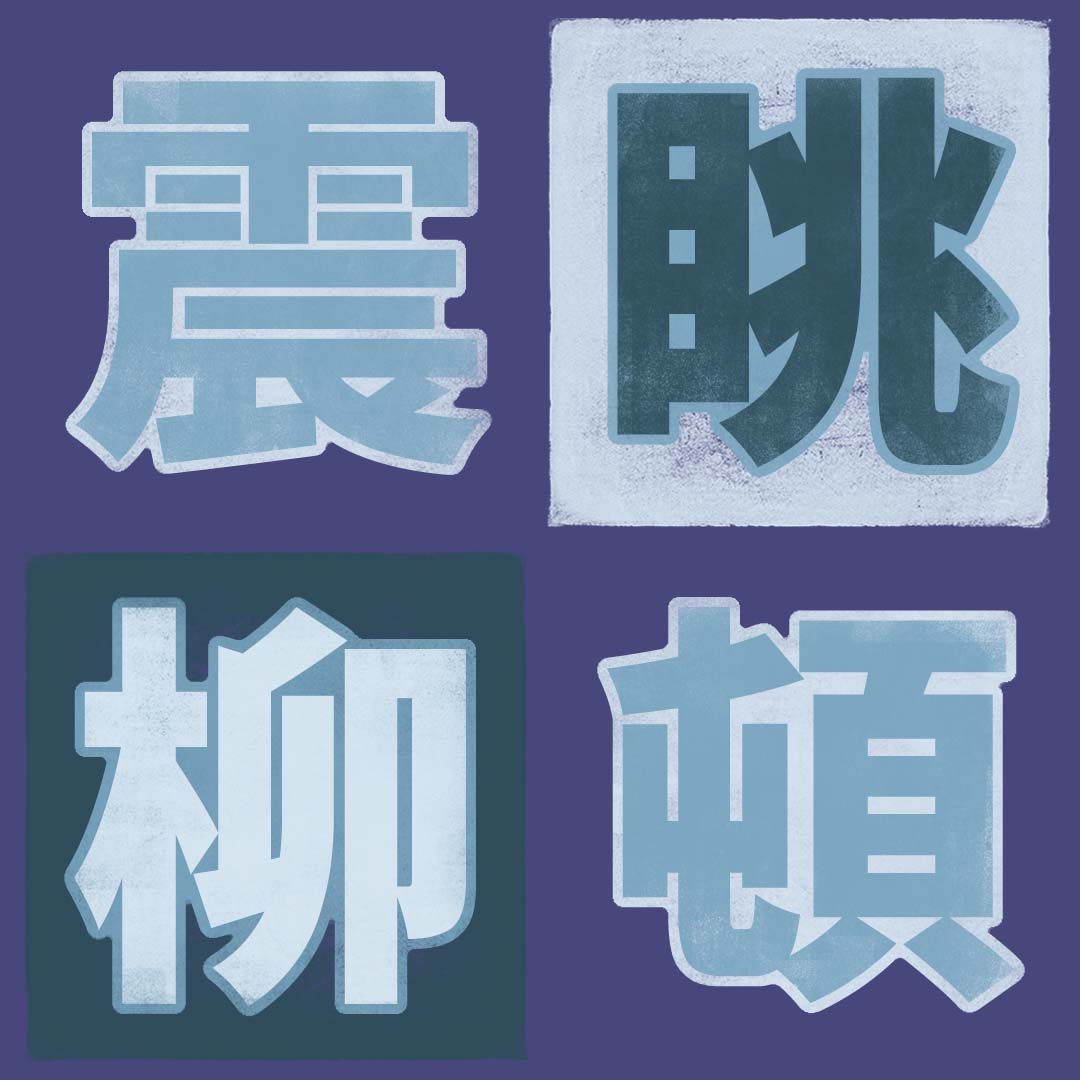
震
tremble
JOK: 1444
To understand Japan is to grapple with its earthquakes. This essay examines them from all angles, including Haruki Murakami's surprising take on the Kobe quake; possible harbingers of a quake; surveys of the worst disasters and most quake-prone regions of Japan; the Japanese intensity scale, plus older ways of characterizing the levels; earthquake-resistant buildings; and more!
眺
watch
JOK: 1591
Japan has countless views to rave about, and this essay teaches many ways of doing so. You’ll learn to refer to a view “of” a tower versus a view “from” that tower. You’ll also understand the meaning of 眺 versus 見, plus 眺め (view) versus 眺望 (view) versus 眼差し (look). Bonus: finding out about Japan’s first Western-style skyscraper (with the nation’s first electric elevator)!
柳
willow
JOK: 1898
Willows play important roles in Japan, lining rivers in several cities (and the streets of Ginza in Tokyo) and frequently appearing in ink paintings. Using pliable willow wood, people make everything from chopsticks and wicker to medicine. Sayings about taking things in stride often include 柳. There's also a link between 柳 and geisha, as well as a connection between willows and ghosts!
頓
suddenly
JOK: 2081
Learn to say, "I didn't have the slightest idea what they were talking about." That might be your experience if you hear とみに, やがて, ひたと, and ひたすら without having read this essay. It investigates those adverbs, as well as sudden movements and motionlessness (what a huge range!), wit and idiocy (another big range!), Dotonbori in Osaka, setbacks, tidiness, indifference, and much more.
Kanshudo is your AI Japanese tutor, and your constant companion on the road to mastery of the Japanese language.
To get started learning Japanese, just follow the study recommendations on your Dashboard.
You can use Quick search (accessible using the icon at the top of every page) to look up any Japanese word, kanji or grammar point, as well as to find anything on Kanshudo quickly.
For an overview, take the tour.
