
73
Bundle 73: Heian-Era Nobles Living Their Best Lives

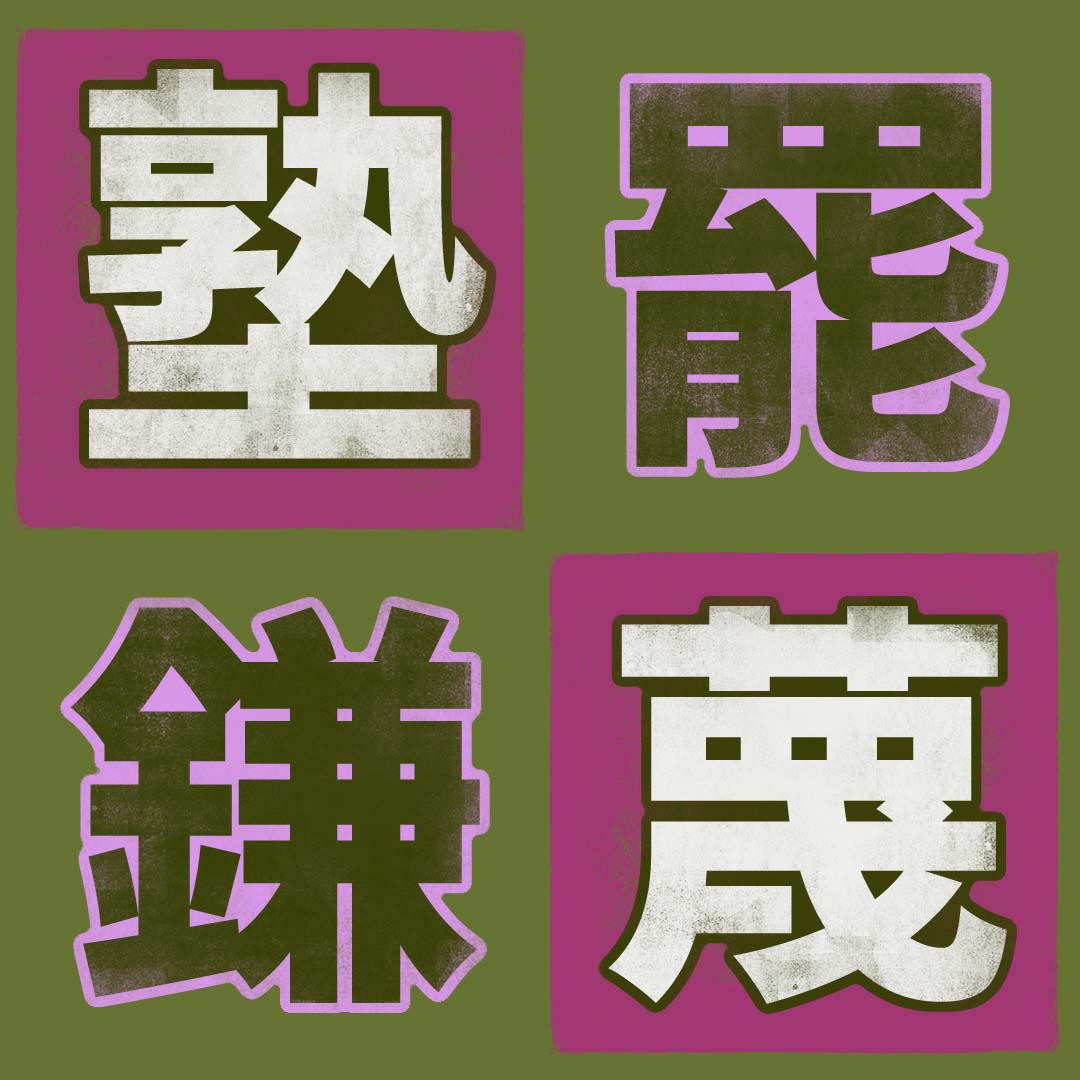
塾
cram school
JOK: 1370
After a full school day, many Japanese kids head to "cram school" for intensive nighttime tutoring. In this essay, a variety of people chime in about why the Japanese do this, how it profoundly helps and hurts students, how it affects public education and society at large, and more. Copious comments from a former cram school head provide insights and a great language immersion.
罷
quit
JOK: 1732
This kanji can be tough to remember, so the essay presents mnemonics for two yomi and the main meaning of 罷. Learn about the history of strikes in Japan and see how young people now perceive them. Find out how to say that a politician got the sack, British coalminers went on strike, and someone got away with something. Also learn to speculate about worst-case scenarios.
鎌
sickle
JOK: 1980
You may not need to talk about sickles, but knowing 鎌 helps you discuss crescent-shaped things; the “hammer and sickle” flag; sickle-wielding weasels; certain weapons; and Kamakura, a city where armies once battled for control of Japan. Kamakura is also associated with a giant Buddha, pigeon-shaped cookies, a painful part of canine history, and a word for “emergency.”
蔑
contempt
JOK: 2107
After reading this essay, you'll know how to do all of this: talk about looking down on others, express contempt, accuse men of sexist thinking, and say that you despise someone. You'll also understand why a famous thinker thought Japan should bid good riddance to the rest of Asia, why the nobles viewed samurai as savages, and how a word for "scorn" relates to a carpentry technique.
Kanshudo is your AI Japanese tutor, and your constant companion on the road to mastery of the Japanese language.
To get started learning Japanese, just follow the study recommendations on your Dashboard.
You can use Quick search (accessible using the icon at the top of every page) to look up any Japanese word, kanji or grammar point, as well as to find anything on Kanshudo quickly.
For an overview, take the tour.
