
91
Bundle 91: Edo Era: The Visual Arts

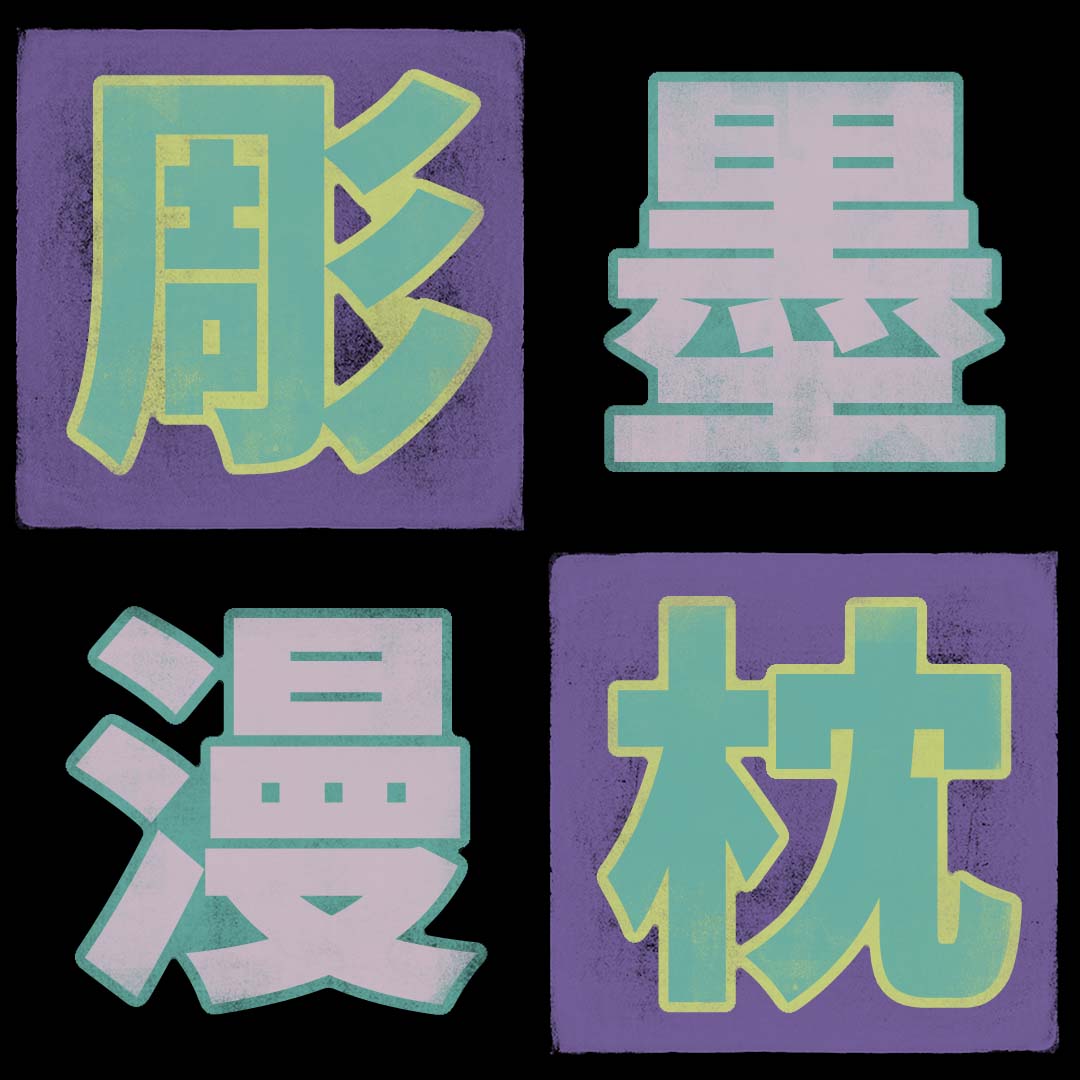
彫
sculpt
JOK: 1590
Do you know the purpose of the tiny sculptures known as netsukes? Do you know how a pharmacist’s mortar relates to a way of engraving? Do you know why the Japanese compare some people to sculptures or why two constellation names include 彫? Do you know about traditional tattoos that cover a great deal of the body, with the picture often coming directly from ukiyoe? You soon will!
墨
black ink
JOK: 1821
Black ink has left an indelible mark on Japanese culture. People have used it to dye clothes, modify their bodies (e.g., tattoos), and censor information. Find out how the Japanese make solid and liquid ink and how they view brushstrokes as a mirror of the mind. Also learn about sumi-e (ink paintings) and enjoy gorgeous sumi-e from talented artists around the globe.
漫
random
JOK: 1838
There's water in 漫! See why! Also learn why the "man-" of "manga" means "random" and what "manga" used to mean, as well as the history of manga. Discover terms for "yelling at someone for no good reason," "browsing," and other random acts. Also learn to talk about unrestrained speech, out-of-hand government spending, a pervasive smell, and a riot of cherry blossoms.
枕
pillow
JOK: 2115
This wide-ranging essay examines literature over millennia, from ancient China to "The Pillow Book" to Basho and Soseki, plus the connections between pillows, travel, and poetry. The essay covers several types of pillows (e.g., those atop boxes, those you hug, and manly pillows), pillows as cures, pillow-flipping ghosts, figurative pillows (e.g., railroad ties!), a confection, and more.
Kanshudo is your AI Japanese tutor, and your constant companion on the road to mastery of the Japanese language.
To get started learning Japanese, just follow the study recommendations on your Dashboard.
You can use Quick search (accessible using the icon at the top of every page) to look up any Japanese word, kanji or grammar point, as well as to find anything on Kanshudo quickly.
For an overview, take the tour.
