
部
Components

暁 means 'dawn'

Animation / stroke order not available.
LOG IN to view this kanji's mnemonic
Strokes : 12    Frequency: 1915   JLPT: N1    Usefulness: 5    Study set: 5-35    Grade: 8   Intermediate lesson: -    Beginner lesson: -   Begins 11 words   Used in 22 words   Used in 353 names   Not used as a component
Jōyō (常用)
On
   ギョウ
Kun
   あかつき dawn, daybreak
On    キョウ
Kun    さとる
Name    あき   あきら   あけ   さと   さとる   てる
曉  
A Joy o' Kanji essay is available for 暁 - click the badge to download
Although あかつき sounds like “red moon,” it doesn’t mean that. Learn the etymology of this yomi. Find out how dawn connects to success and enlightenment and how to say such things as “When completed, this building will be the world’s tallest.” Learn the Japanese for “It’s always darkest before the dawn.” Read about a fascinating artist and an architect with 暁 in their names.
The essay is also included in the following Thematic Bundles
112
Meiji Era: Western Architecture Transforms Japan
暁 塔 舶 瓦
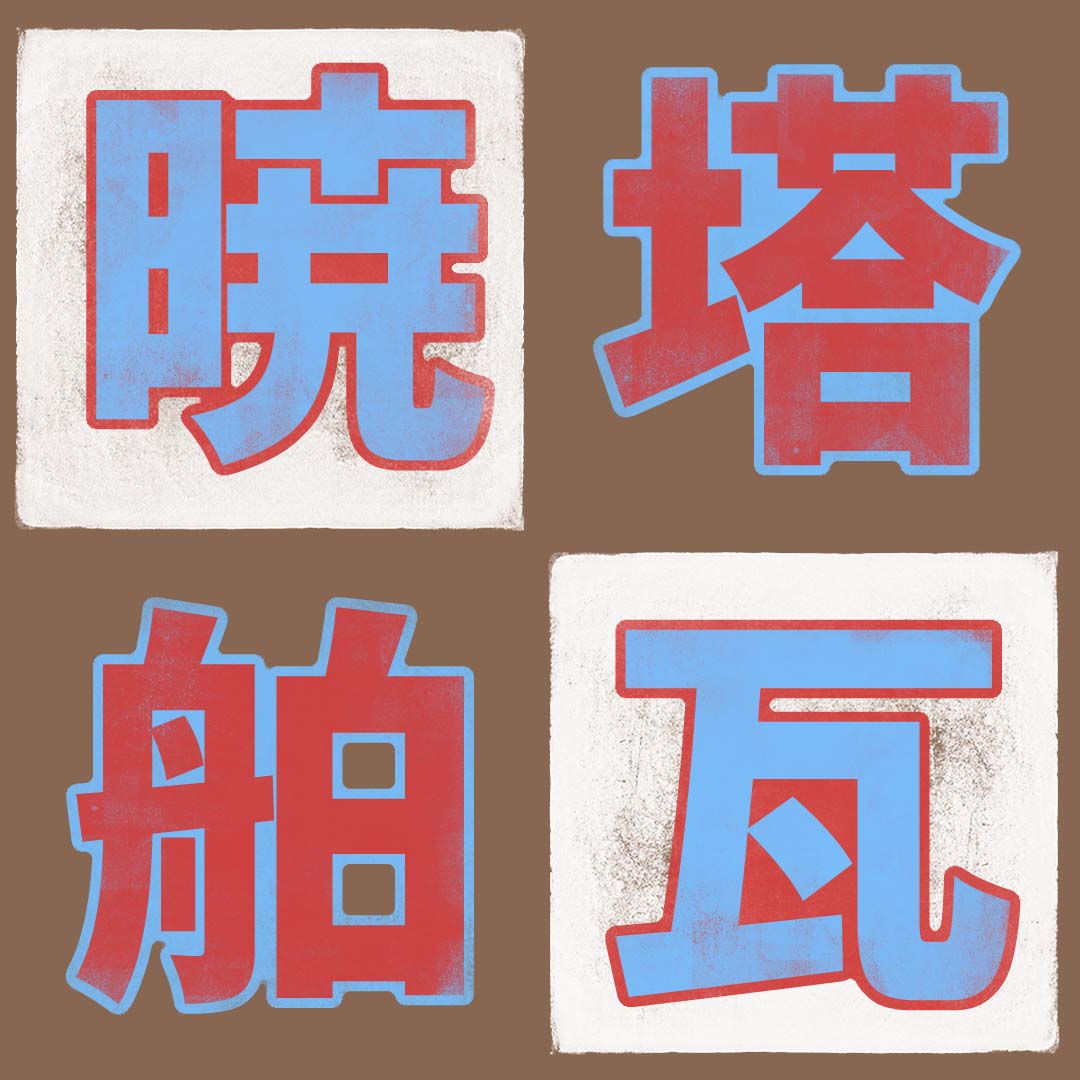
In the Meiji era (1868–1912), Western architecture transformed Japan, as this bundle shows. The Japanese government imported architecture books. Red bricks from Europe became popular symbols of modernity. Even the term for "brick" became trendy! English architect Josiah Conder apprenticed under a Japanese artist, then designed Western-style buildings in Tokyo, turning one area into a London-style business district. His Japanese disciples also designed prominent Western buildings in Japan. Modernization changed architectural language, too. For instance, 塔 once had exclusively religious meanings (e.g., "pagoda") but soon primarily represented a Western-style tower.
⿰  日 sun; day  尭 high  
Explore these components visually on The Kanji Map ⇗
LOG IN to view kanji mastery data
LOG IN to view your flashcards
In the most useful 10,000 words in Japanese, 暁 is used 4 times, read 2 ways.
Across all words in Japanese, 暁 is used 21 times, read 3 ways.
Showing:
ギョウ : 14 words FIND ALL
こ ん ぎ ょ う 0
adverbial noun (fukushitekimeishi), noun (temporal) (jisoumeishi)
this morning (at dawn)
(click the word for examples and links)
キョウ : 1 word FIND ALL
noun
cold winter dawn  (poetical term)
(click the word to view an additional 1 reading, examples and links)
あかつき : 6 words FIND ALL
あ か つ き 0
noun
1. dawn; daybreak
2. event (e.g. "in the event of ..."); occasion; occurrence  (usu. as 〜の暁に; this meaning is restricted to reading あかつき)
(click the word to view an additional 1 reading and 2 forms, examples and links)
An additional 1 less common words include 暁 but the readings have not yet been categorized.
Henshall: 1174  Joy o' Kanji : 1174  Key to Kanji: - 

Cascading kanji view

暁
ギョウ   あかつき dawn, daybreak   
Please LOG IN to view this kanji's mnemonic
日
ニチ   ジツ   sun; day   ひ    -か    
尭
ギョウ   たかい high   
Please LOG IN to view this kanji's mnemonic
十
ジュウ   ジッ   と    とお ten   
Please LOG IN to view this kanji's mnemonic
一
イチ   イツ   ひとつ    ひと- one   
丨
stick   
艹
grass   
兀
one pair of legs
Please LOG IN to view this kanji's mnemonic
儿
legs
Problem with this kanji? Question or comment? Please CONTACT US.

Kanshudo is your AI Japanese tutor, and your constant companion on the road to mastery of the Japanese language. To get started learning Japanese, just follow the study recommendations on your Dashboard. You can use Quick search (accessible using the icon at the top of every page) to look up any Japanese word, kanji or grammar point, as well as to find anything on Kanshudo quickly. For an overview, take the tour.
Search results include information from a variety of sources, including Kanshudo (kanji mnemonics, kanji readings, kanji components, vocab and name frequency data, grammar points, examples), JMdict (vocabulary), Tatoeba (examples), Enamdict (names), KanjiVG (kanji animations and stroke order), and Joy o' Kanji (kanji and radical synopses). Translations provided by Google's Neural Machine Translation engine. For more information see credits.
×