部
Components

菓 means 'candy'

Animation / stroke order not available.
LOG IN to view this kanji's mnemonic
Strokes : 11    Frequency: 1676   JLPT: N2    Usefulness: 4    Study set: 4-20    Grade: 8   Intermediate lesson: 54    Beginner lesson: -   Begins 13 words   Used in 58 words   Used in 42 names   Not used as a component
Jōyō (常用)
On
   カ
A Joy o' Kanji essay is available for 菓 - click the badge to download
Japan produces desserts from the world over, but its traditional confections offer the most surprises. Find out how a Japanese "sweet" may not be sweet at all and how even a fried vegetable could qualify! Also learn about the connection between 菓 and the tea ceremony, a recurring confection fair in Japan, gift cakes and gift horses, and what gods in Japan like to eat and drink.
The essay is also included in the following Thematic Bundles
81
Warring States Era: Portuguese Influence
菓 騎 崎 漂
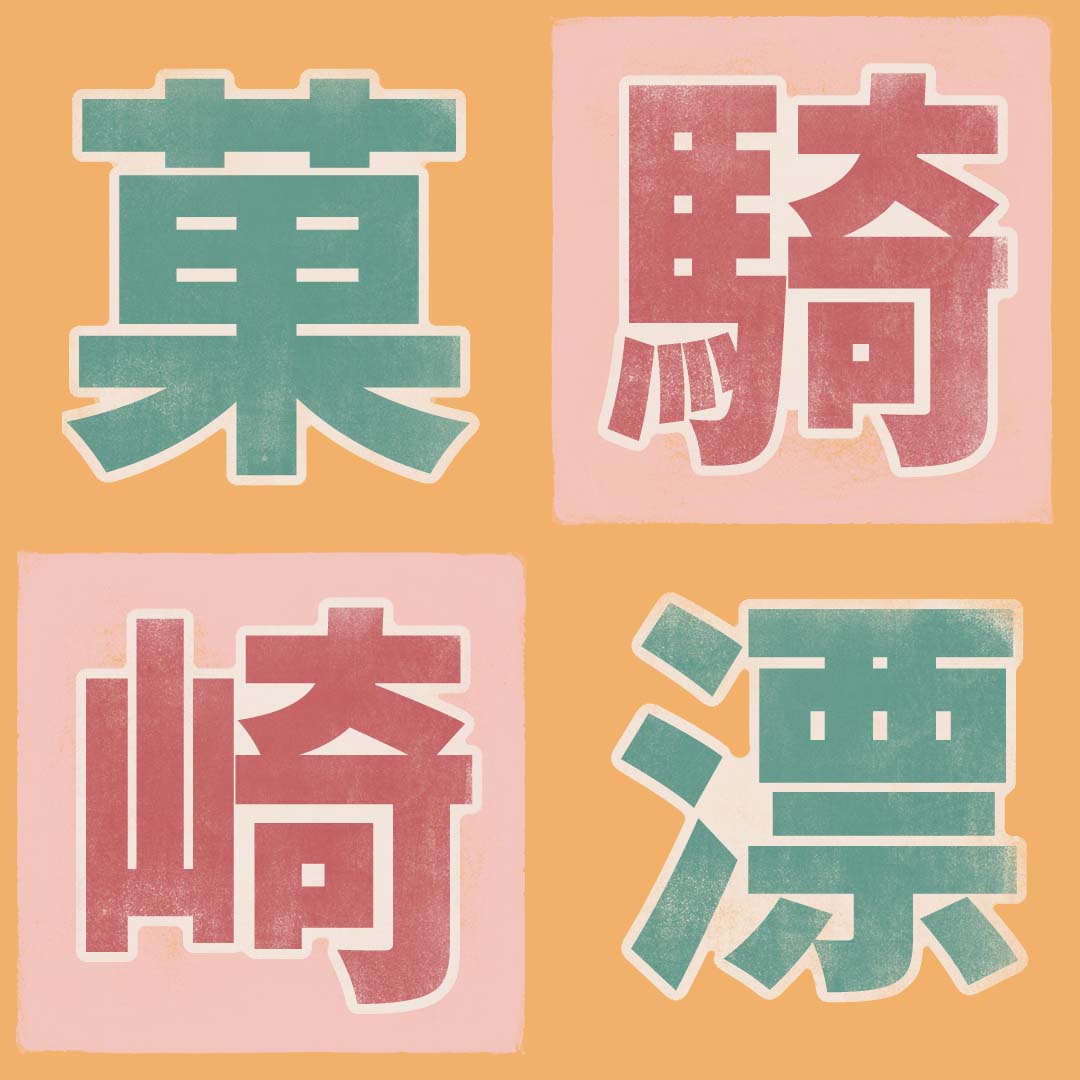
As this bundle shows, one country far from Japan has left a large mark on its culture. In 1543, the first Portuguese ship drifted onto a Kyushu island, introducing guns to Japan. By the end of the Warring States era (1467–1568), Japan had more guns than any other nation. Firearms overpowered older weapons (e.g., spears), producing a lopsided victory for musketeers in one of Japan's civil wars. Portuguese missionaries and traders also brought in Christianity and a cake called castella, long a specialty of Nagasaki. The Portuguese had considerable influence there, and Nagasaki has prominent Catholic churches even now.
113
Meiji Era: Fusion Food
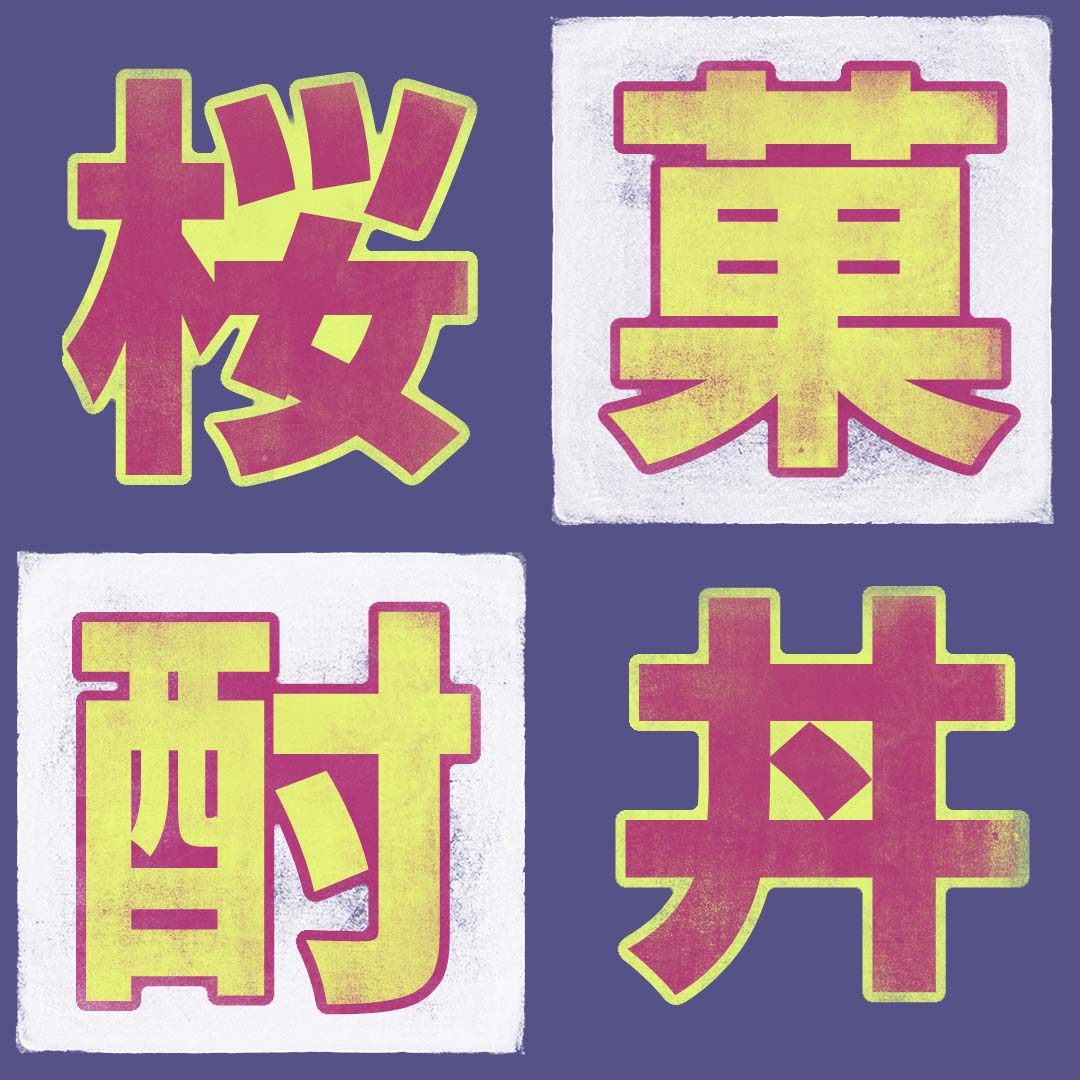
桜 菓 酎 丼
Westernizing in the Meiji era (1868–1912) changed the way the Japanese drank and ate, as this bundle reflects. Importing British machinery enabled people to mass-produce shochu. Western confections flowed into Japan, and the arrival of ice cream inspired a green tea flavor. Before 1868, the Japanese didn't eat beef, believing cows to be exclusively for physical labor. Buddhism also drove a disdain for consuming quadrupeds. But with westernization the Japanese suddenly viewed beef consumption as enlightened. Out of discomfort, though, they did name some meat dishes with flowery euphemisms (e.g., peonies and cherry blossoms).
⿱  艹 (艸) grass  果 result; fruit; bear fruit  
Explore these components visually on The Kanji Map ⇗
LOG IN to view kanji mastery data
LOG IN to view your flashcards
In the most useful 10,000 words in Japanese, 菓 is used 3 times, read 1 way.
Across all words in Japanese, 菓 is used 54 times, read 1 way (with 1 variation).
Showing:
カ (read as が) : 29 words FIND ALL
わ が し 2
noun
wagashi; traditional Japanese confectionery
(click the word for examples and links)
カ : 25 words FIND ALL
お か し 2
noun
confections; sweets; candy
(click the word to view an additional 2 forms, examples and links)
An additional 4 less common words include 菓 but the readings have not yet been categorized.
Henshall: 1047  Joy o' Kanji : 1047  Key to Kanji: - 

Cascading kanji view

菓
カ    candy   
Please LOG IN to view this kanji's mnemonic
果
カ    result   はたす to carry out   はて end, extremity   はてる to come to an end   
Please LOG IN to view this kanji's mnemonic
田
デン   た rice field   
木
モク   ボク   き    こ- tree   
Please LOG IN to view this kanji's mnemonic
大
ダイ   タイ   おおきい big   おおいに very much   おお-    
Please LOG IN to view this kanji's mnemonic
一
イチ   イツ   ひとつ    ひと- one   
人
ジン   ニン   ひと person   
丨
stick   
艹
grass   
Problem with this kanji? Question or comment? Please CONTACT US.

Kanshudo is your AI Japanese tutor, and your constant companion on the road to mastery of the Japanese language. To get started learning Japanese, just follow the study recommendations on your Dashboard. You can use Quick search (accessible using the icon at the top of every page) to look up any Japanese word, kanji or grammar point, as well as to find anything on Kanshudo quickly. For an overview, take the tour.
Search results include information from a variety of sources, including Kanshudo (kanji mnemonics, kanji readings, kanji components, vocab and name frequency data, grammar points, examples), JMdict (vocabulary), Tatoeba (examples), Enamdict (names), KanjiVG (kanji animations and stroke order), and Joy o' Kanji (kanji and radical synopses). Translations provided by Google's Neural Machine Translation engine. For more information see credits.
×