
101
Bundle 101: Edo Era: Brushes with the Law

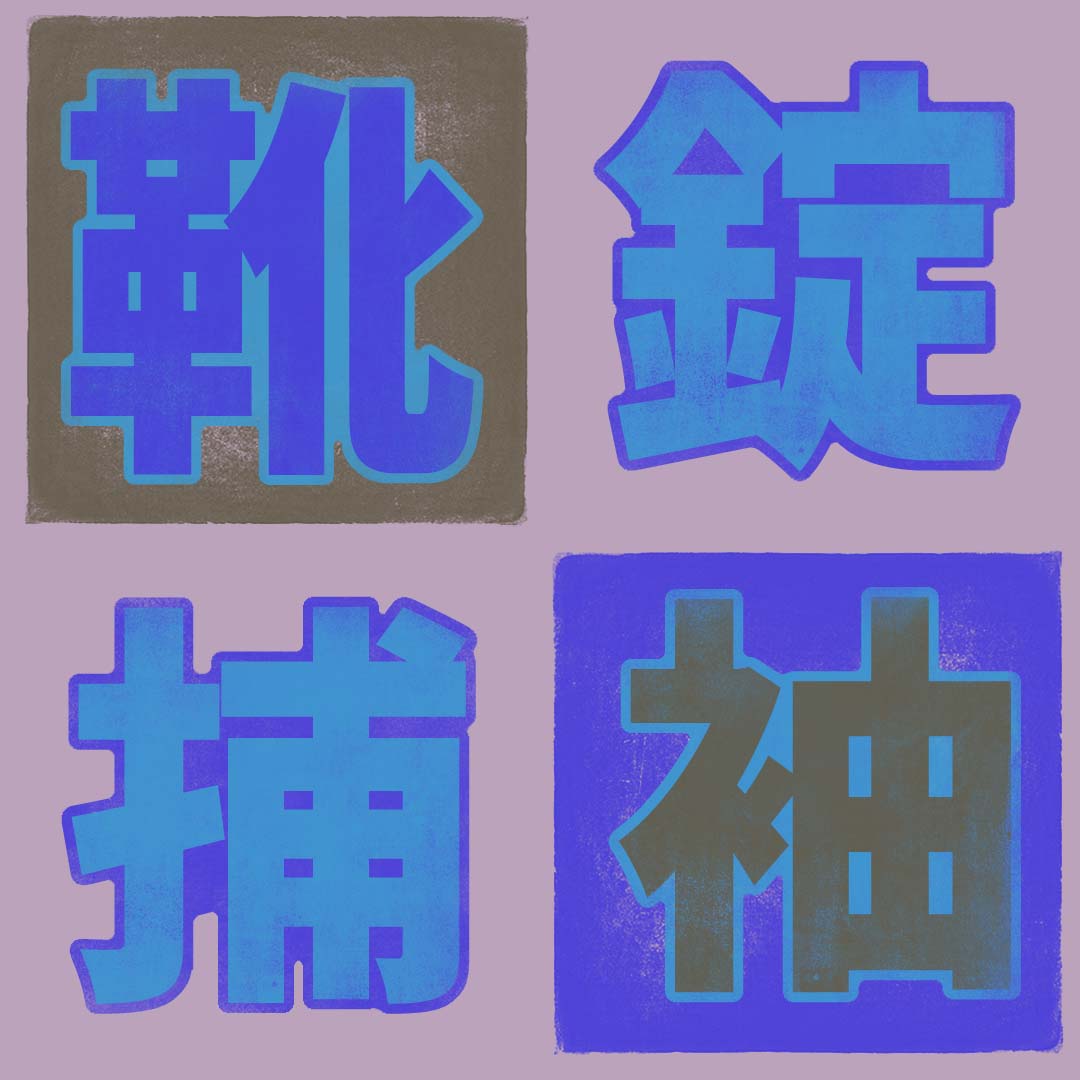
靴
shoes
JOK: 1052
How did Japan come to make shoes from straw and wood? Why is the "leather" radical all but useless in 靴? How can you say "break in shoes," "tie shoelaces," and "wear two hats (actually shoes!)" in Japanese? How can "red shoes" not be shoes, and who in Japan famously wore red shoes? How have Japanese shoes indicated status? Find out all of these answers and much more!
錠
lock
JOK: 1423
This kanji takes us into the worlds of both locks and pills. See a combination lock with hanzi instead of numbers, find out what "shrimp lock" and "tail lock" represent, and learn how the Japanese historically secured their homes. Also discover how pills can wear "clothing," read about a candy made to resemble medicine, and see why one pharmacist's book is revolutionary.
捕
catch
JOK: 1784
Some of the six Joyo yomi associated with 捕 sound like tongue twisters. This essay tames them through mnemonics and an exercise. Learn to say, "Television viewers see only what the camera captures," "She's a slave to fashion," and "He was eaten up with guilt." See what it means for a person in Japan to have a "main point" or, conversely, to be incomprehensible to others.
袖
sleeve
JOK: 2030
An essay chock-full of quizzes explains how sleeves have connections to shady dealings, sexual attraction, and lanterns. See how kimono design relates to marital status. Find out about a cursed kimono and a fish that has fins like kimono sleeves. Learn to say “signboard projecting from a building” and “desk with drawers on one side,” as well as “I'd like a long-sleeved shirt in yellow.”
Kanshudo is your AI Japanese tutor, and your constant companion on the road to mastery of the Japanese language.
To get started learning Japanese, just follow the study recommendations on your Dashboard.
You can use Quick search (accessible using the icon at the top of every page) to look up any Japanese word, kanji or grammar point, as well as to find anything on Kanshudo quickly.
For an overview, take the tour.
