
111
Bundle 111: Meiji Era: Moving Away from Traditional Culture

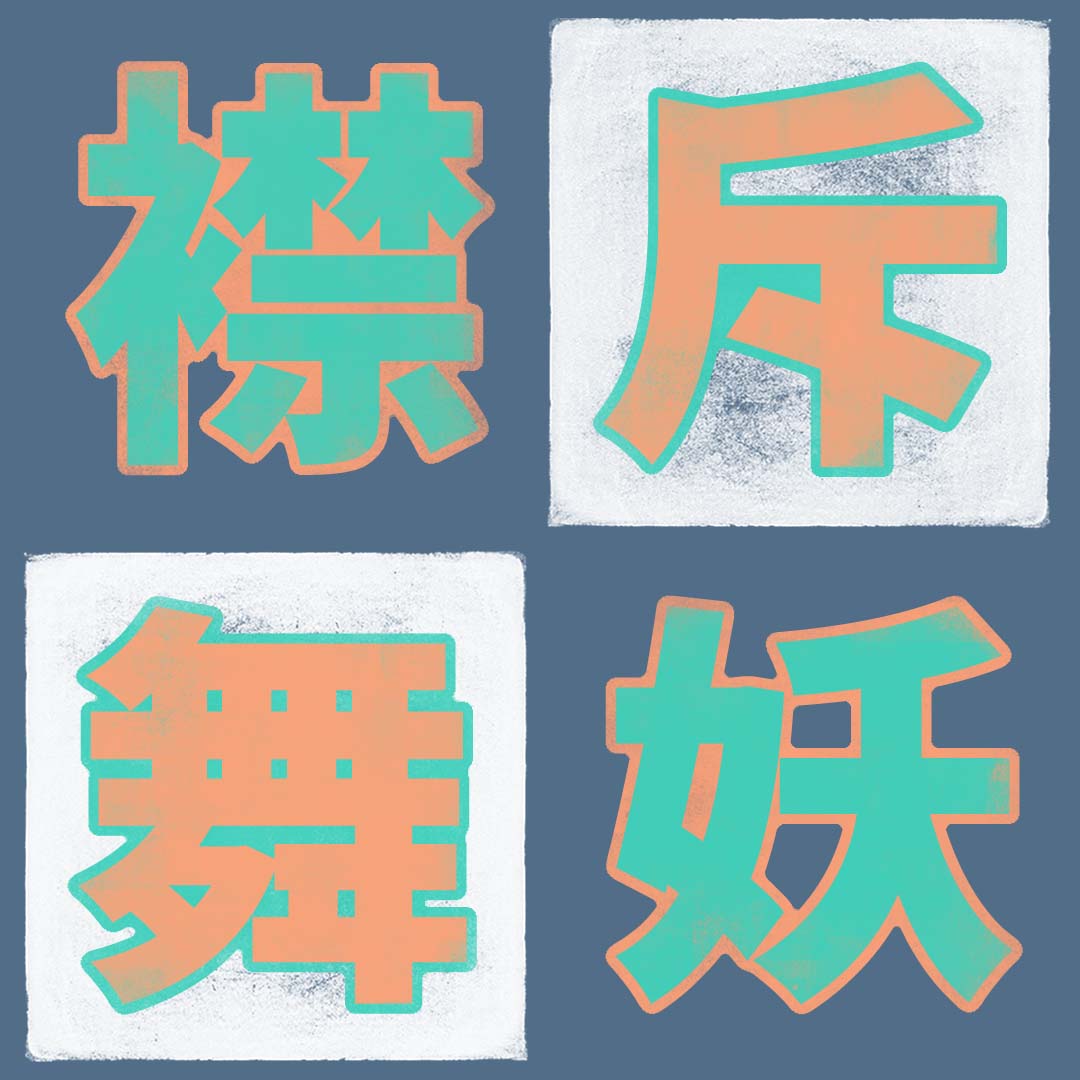
襟
collar
JOK: 1181
Find out which lemurs and lizards look stylish because of their collars and which collars make humans look dorky. Learn to talk about turtlenecks, open-necked shirts, necklines, and collars. See how collar styles and lapel badges relate to uniforms in schools and the military. Learn to say, "I'm really sorry, but I seem to have misplaced your scarf." And find out why Cape Erimo is famous.
斥
reject
JOK: 1480
Learn to talk about rejecting suggestions and plans, and find out how to say, "They dismissed his criticism as hypocrisy." Read about campaigns against Japanese goods, and study Japanese Wikipedia passages about the North American history of banning Asian immigrants. Discover which sports Japan encouraged and disallowed during wartime. Bonus: study space science!
舞
dance
JOK: 1761
Traditional Japanese dance may seem tangential to your life, but it has connections to the gods, so don't overlook it! Also, 舞 is a core part of Nihongo, factoring into terms for bustling activity, story settings, being in the limelight, behaving well or badly, treating others to meals, visiting the sick, seasonal greeting cards, and closing up shop, as well as the words for kabuki and butoh.
妖
bewitching
JOK: 2125
See why people needed to invent yokai, the supernatural creatures populating manga, legends, and woodblock prints. Learn various terms for “monster,” including one that can figuratively refer to villains or heroes. Discover words for “magic” (Eastern vs. Western), “something that confuses people,” and “bewitched sword,” and examine the female side of some 妖 terms.
Kanshudo is your AI Japanese tutor, and your constant companion on the road to mastery of the Japanese language.
To get started learning Japanese, just follow the study recommendations on your Dashboard.
You can use Quick search (accessible using the icon at the top of every page) to look up any Japanese word, kanji or grammar point, as well as to find anything on Kanshudo quickly.
For an overview, take the tour.
