
115
Bundle 115: Meiji Era: Improbable Victory in the Russo-Japanese War

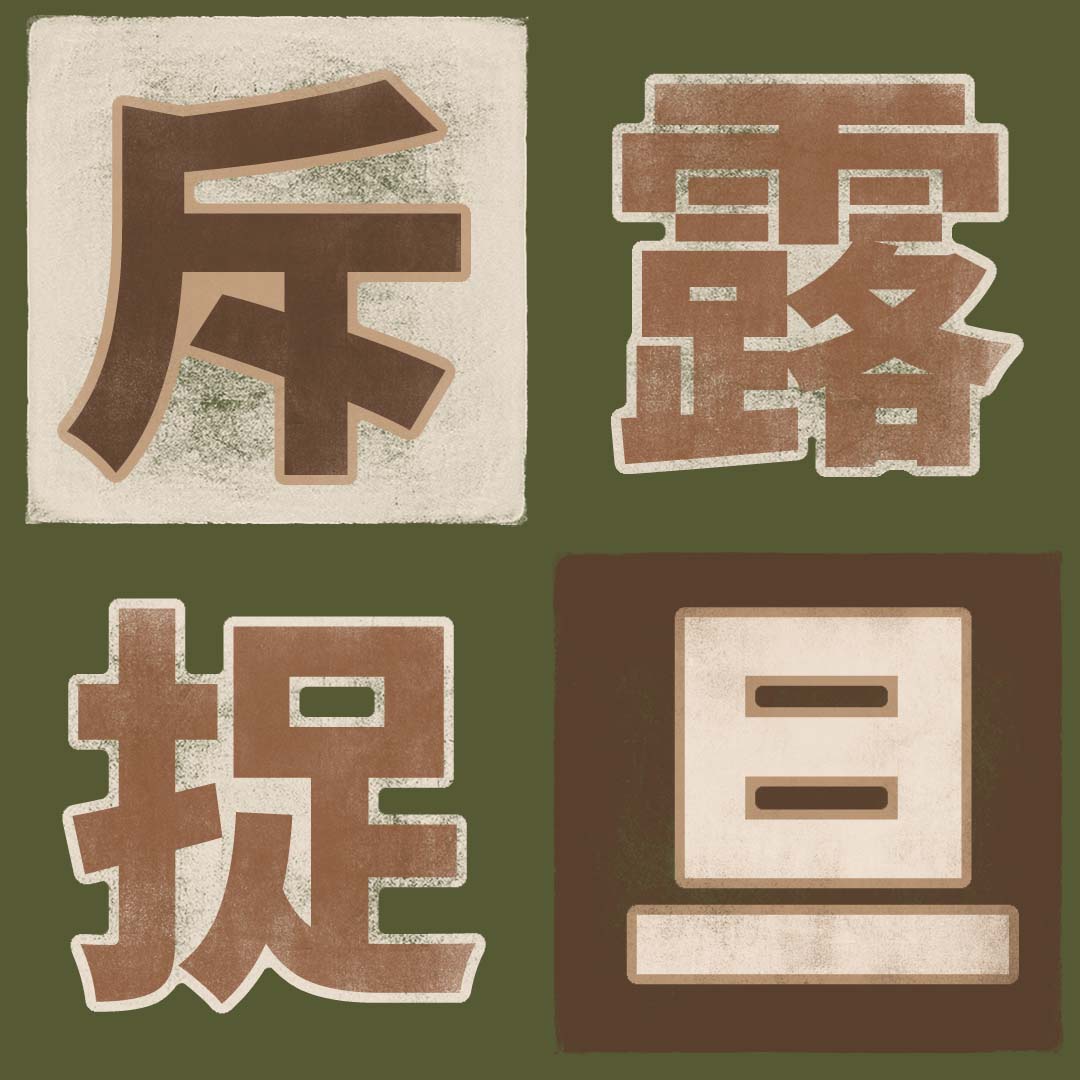
斥
reject
JOK: 1480
Learn to talk about rejecting suggestions and plans, and find out how to say, "They dismissed his criticism as hypocrisy." Read about campaigns against Japanese goods, and study Japanese Wikipedia passages about the North American history of banning Asian immigrants. Discover which sports Japan encouraged and disallowed during wartime. Bonus: study space science!
露
public; dew
JOK: 1935
Learn how 露 connects to everything from dew to lightning, from Russia to Peru, from weddings to poetry, from sumo to kabuki, from teahouse gardens and high-quality green tea to edible locusts, from street vendors to open-air baths, from exposure of secrets to showing one’s true colors, from debuting songs to demonstrating karate skills, from photography to transience, and still more!
捉
capture
JOK: 2056
If you want to grab hold of the intangible, as in grasping a meaning, getting to the heart of a matter, or perceiving an abstraction such as multiculturalism, 捉 is indispensable. Learn to use it in saying, "The song charmed young people," "person whose personality makes no sense to others," "Television viewers see only what the camera captures," and "He was eaten up with guilt."
旦
dawn
JOK: 2063
This kanji may be graphically simple, but it's associated with a bewildering mess of meanings! Primarily, 旦 relates to dawn and the first day of a year or month, but 旦 also pops up in a term meaning "momentarily" (and its spinoffs). And then a very common word with 旦 involves powerful men (and their sons and businesses) and even geishas and mistresses. The essay connects these dots!
Kanshudo is your AI Japanese tutor, and your constant companion on the road to mastery of the Japanese language.
To get started learning Japanese, just follow the study recommendations on your Dashboard.
You can use Quick search (accessible using the icon at the top of every page) to look up any Japanese word, kanji or grammar point, as well as to find anything on Kanshudo quickly.
For an overview, take the tour.
