The Kanshudo Blog

New Joy o' Kanji Thematic Bundles for April

Posted: 2026-04-30, Tags: joy-o-kanji kanji
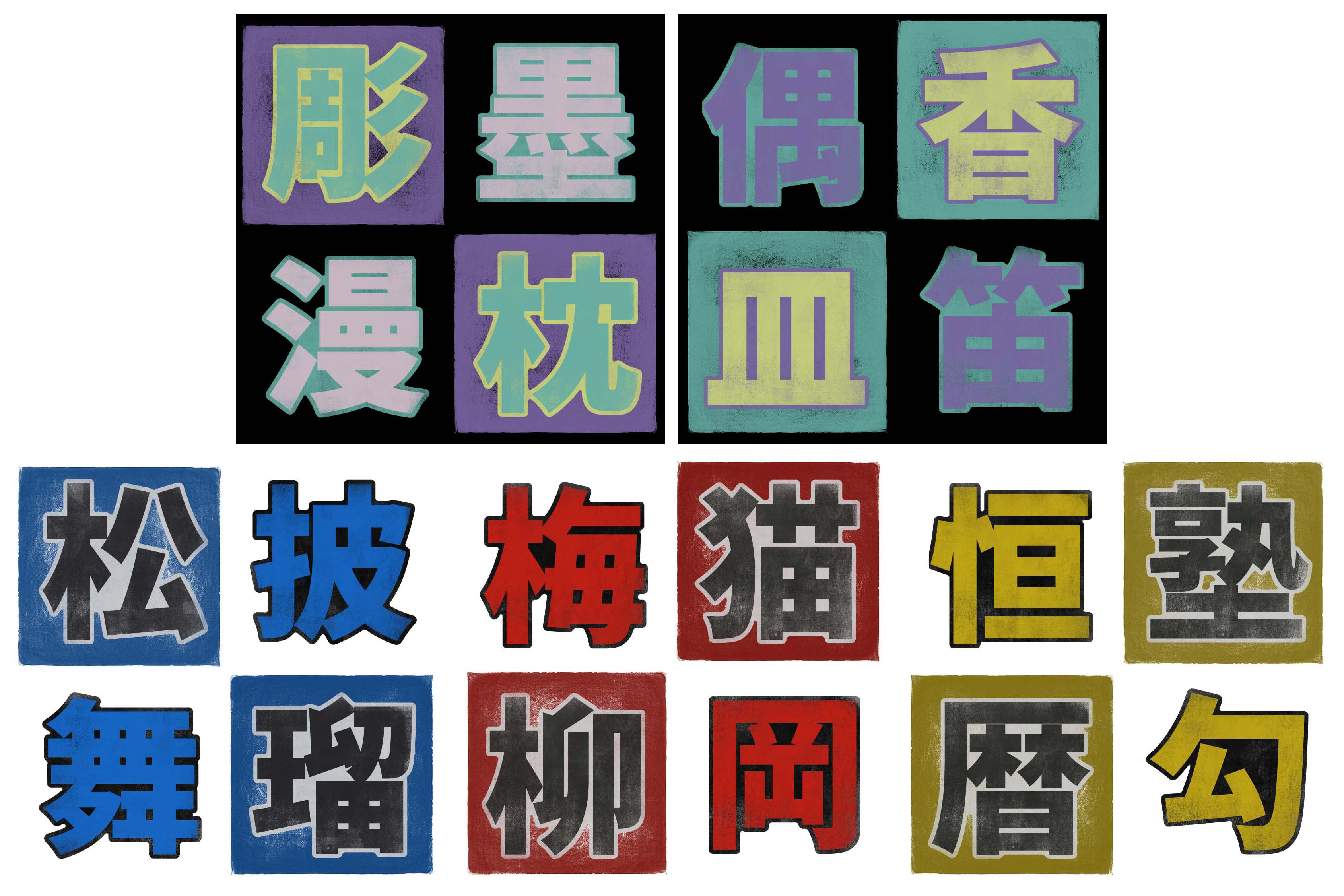
Five new bundles show how the Edo era teemed with creativity. The visual arts exploded, and people delighted in watching performances, whether in theaters, on the streets, or in red-light districts. In the midst of all that free-spiritedness, the period also brought terrific strides in education, particularly in mathematics.
91
Edo Era: The Visual Arts
彫 墨 漫 枕
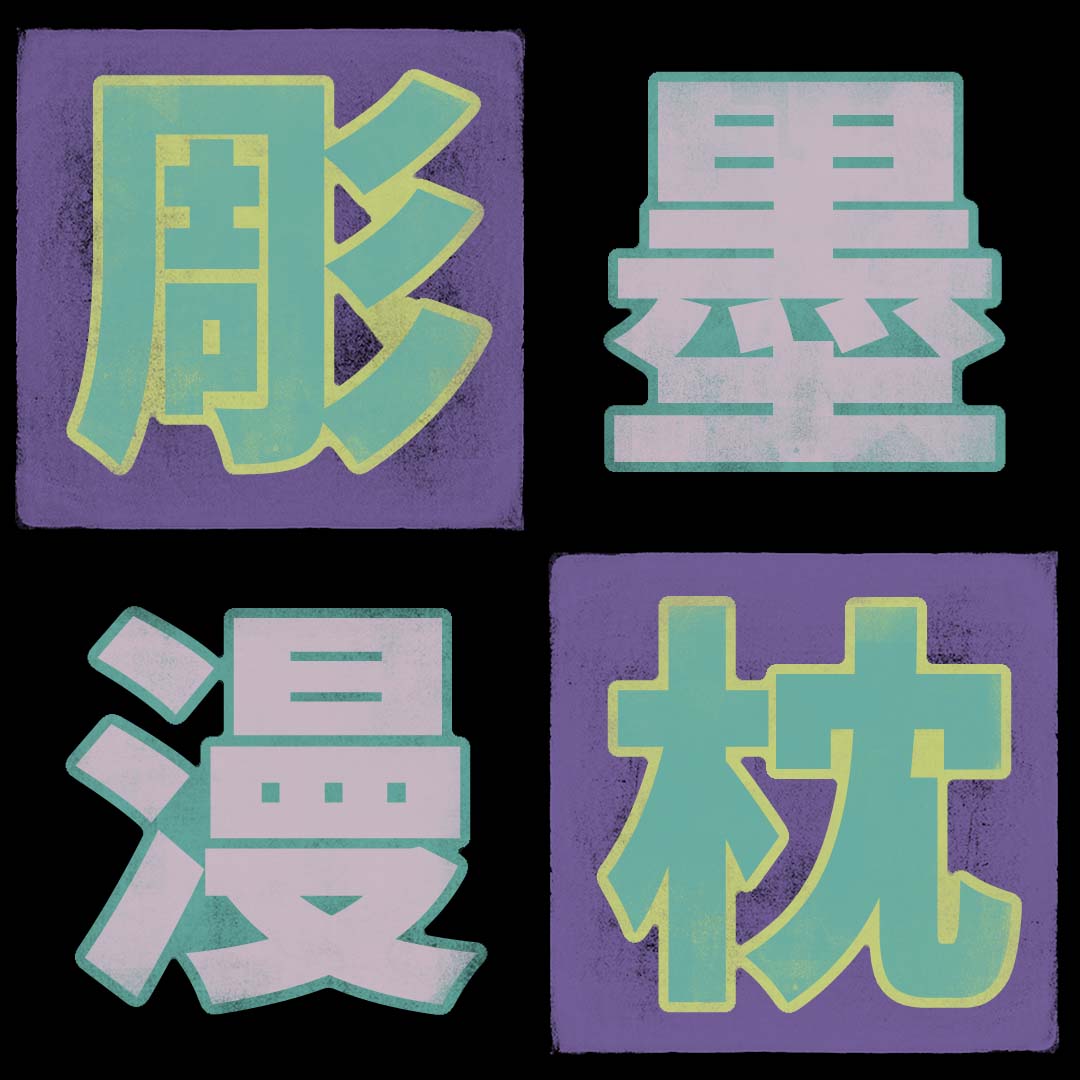
These essays depict the explosion of visual arts in the Edo era (1603–1867). Although sumi-e (ink drawing) works were originally done in shades of black, colorful sumi-e really took off in the 17th century. Then bright ukiyo-e (woodblock prints) emerged, overtaking sumi-e. Ukiyo-e had implicit political content, but erotic woodblock prints also abounded. Ukiyo-e developed in tandem with tattoos that covered a great deal of the body, and many currently popular tattoo designs come from Edo-era ukiyo-e. Finally, manga go back at least to the time of the artist Hokusai (1760–1849).
92
Edo Era: Vibrant Street Life
偶 香 皿 笛
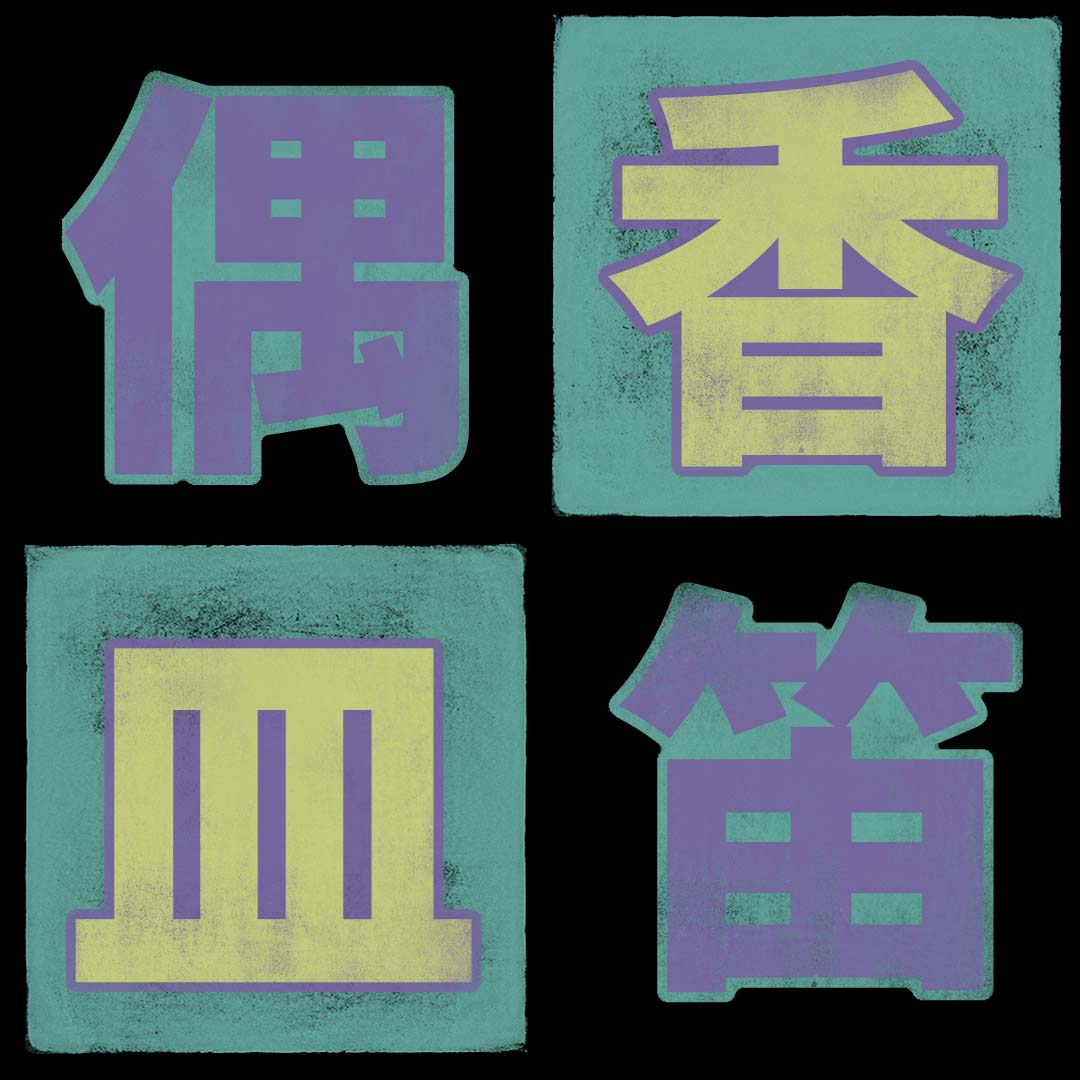
In the Edo era (1603–1867), Japanese streets vibrated with sounds, spectacles, and surprises. As these essays show, peripatetic performers entertained people in all kinds of ways. Some magicians would repeatedly say something like "Abracadabra" and produce a different wooden doll each time from under a bamboo basket. Jugglers would spin plates to make their juggling performances more appealing. Candy vendors would drum up business by playing flutes while walking around. And street performers sold utensils and incense, as well as medicines, giving rise to a term that means "showman; charlatan; quack."
93
Edo Era: Performing Arts
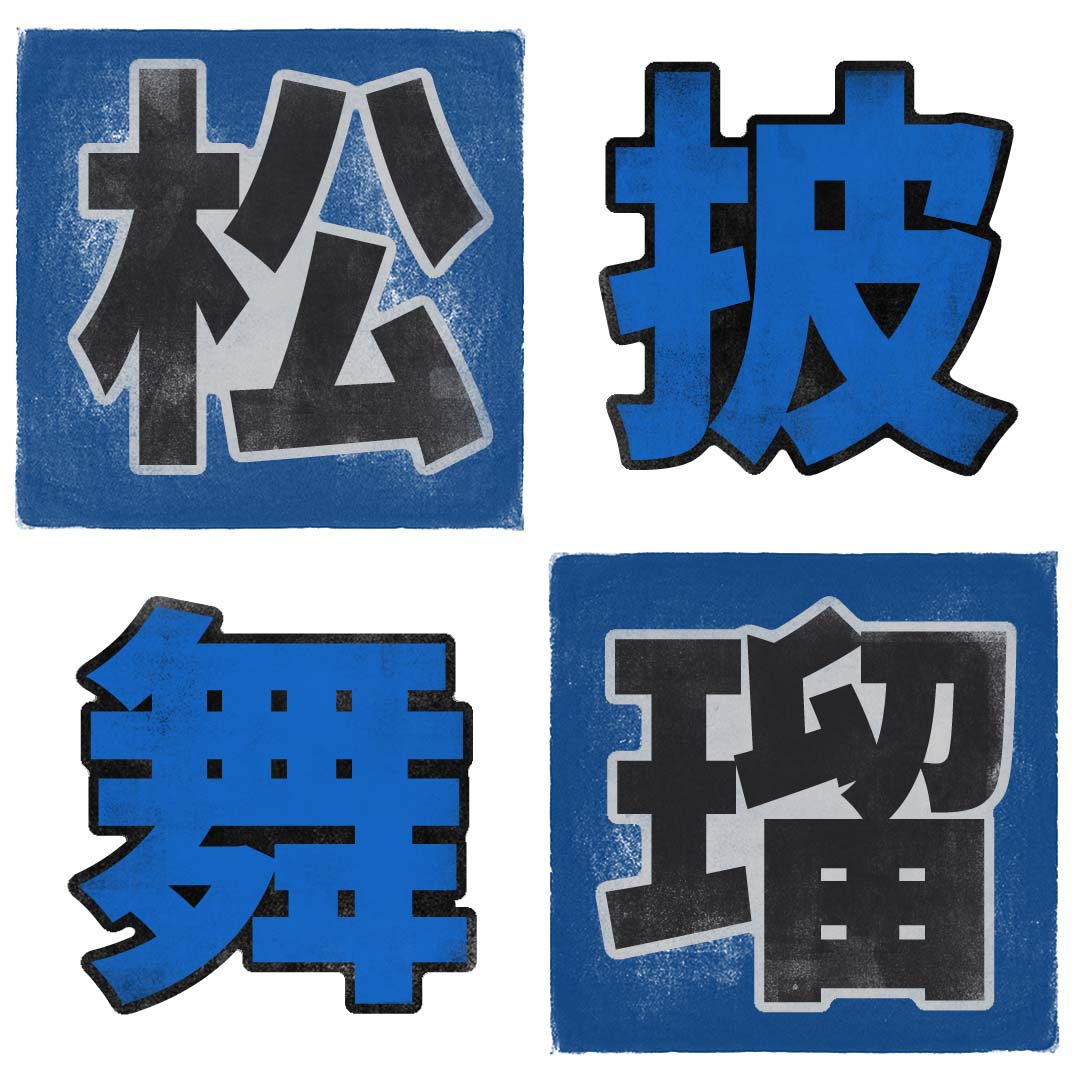
松 披 舞 瑠
In the Edo period (1603–1867), audiences were spoiled for choice. As these essays show, kabuki (a dance-drama combination featuring elaborate costumes, vivid makeup, outlandish wigs, and exaggerated movements) originated in the first year of the era! Immediately popular, the comic performances depicted everyday life, eventually with suggestive themes (and was particularly fashionable in the red-light districts). Then there was joruri, storytelling done via dramatic chanting, sometimes complemented by puppet shows. Finally, Noh, a type of classical musical drama that mainly involves masked male actors, offered Edo-era citizens yet another entertaining option.
94
Edo Era: Red-Light Districts
梅 猫 柳 岡
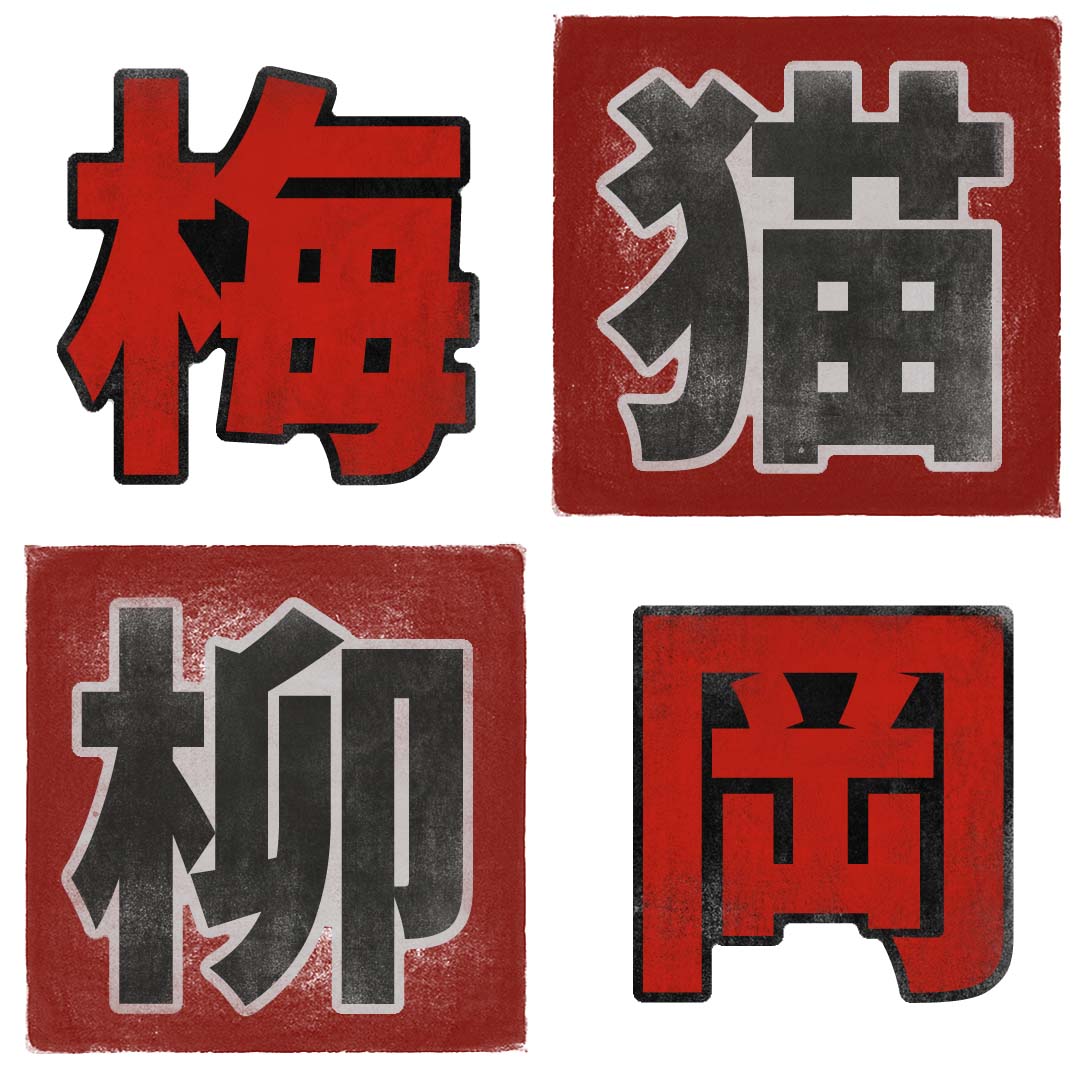
As this bundle shows, red-light districts abounded in the hedonistic Edo era (1603–1867). In fact, second-class, unauthorized pleasure quarters lay adjacent to top-class, government-authorized red-light districts. A multifaceted, euphemistic term emerged that meant "geisha quarter," "prostitute," "red-light district," and more. Prostitutes were classified as 松, 竹, and 梅, with 梅 being the lowliest and with rankings likely based on looks and lovemaking techniques! A popular play in those days featured a prostitute named 梅ヶ枝 (there's 梅 again!) driven by financial desperation. Real-life prostitutes mimicked her behavior, also inspiring one woodblock print by Kuniyoshi.
95
Edo Era: Education Emerges
恒 塾 暦 勾
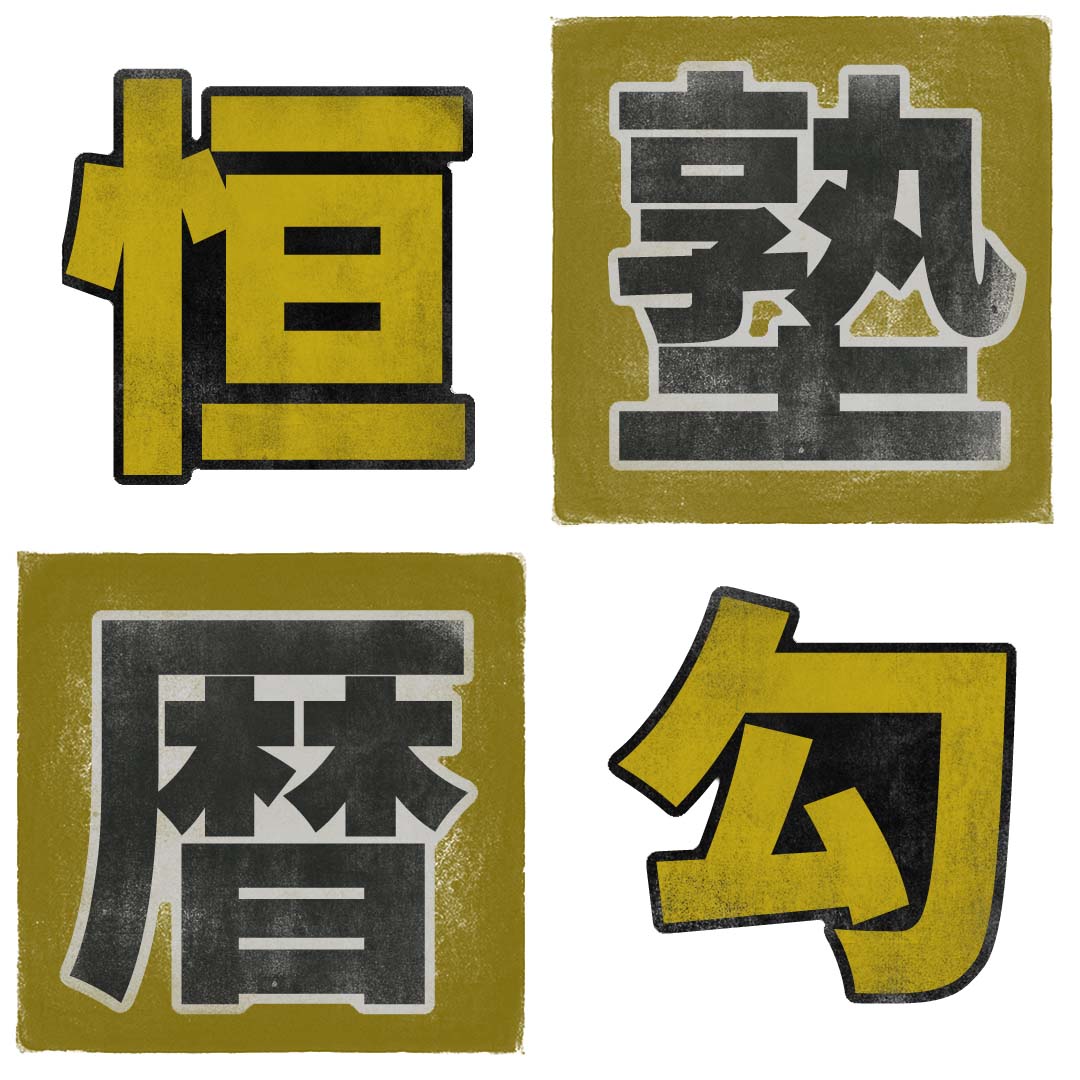
The Edo era (1603–1867) lacked standard education, but institutions formed to meet the need. Teachers ran "terakoya" (private schools) from their houses. After-hours private academies emerged, as did an Osaka school that taught Dutch studies, medicine, astronomy, and other Western sciences. Adult scholars also made great advances, enhancing a mathematical system called "sampo," inventing "enri" (a calculus-like system), and devising complex calculations with the soroban (a Japanese abacus). One expert quantified a term that means "too many grains of sand to count"! These essays explore such topics, also showing how a word for "Pythagoras' theorem" represented an imaginative leap.

Kanshudo is your AI Japanese tutor, and your constant companion on the road to mastery of the Japanese language. To get started learning Japanese, just follow the study recommendations on your Dashboard. You can use Quick search (accessible using the icon at the top of every page) to look up any Japanese word, kanji or grammar point, as well as to find anything on Kanshudo quickly. For an overview, take the tour.

×