
The Kanshudo Blog

New Joy o' Kanji Thematic Bundles for July

Posted: 2026-07-31, Tags: joy-o-kanji kanji
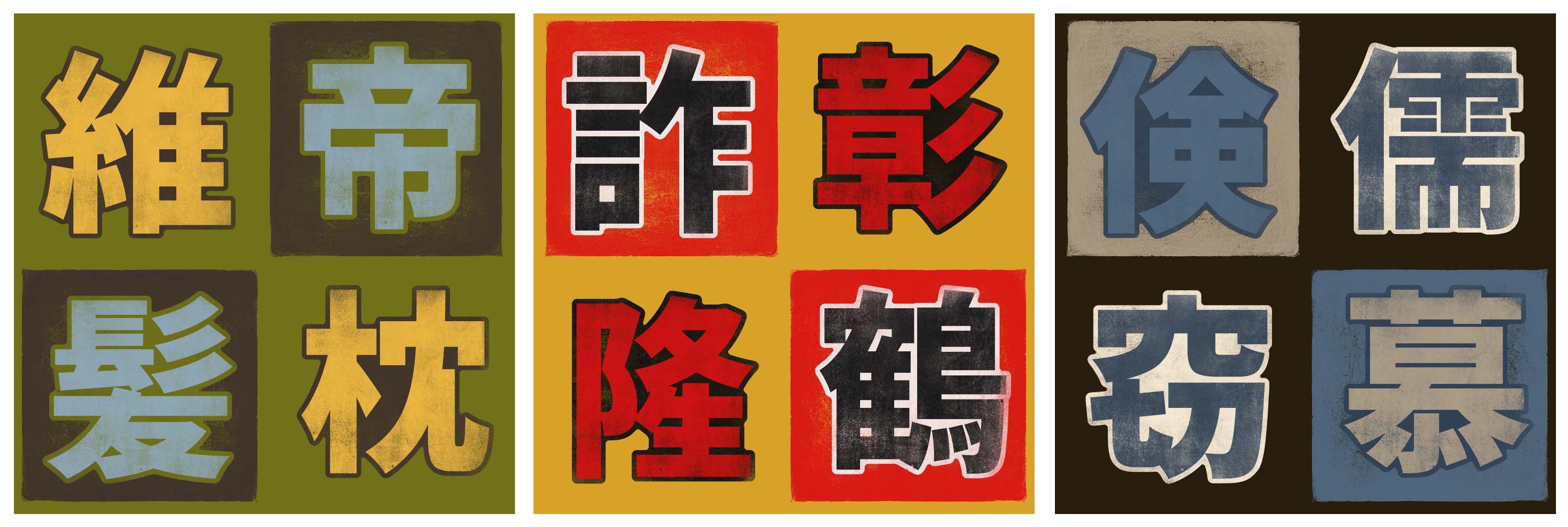
Three new bundles take us into the Meiji era, highlighting the Meiji Restoration, the rapid transformation it wrought, the turbulence that ensued, and the profoundly new ways of thinking underlying the cultural changes.
104
Meiji Era: The Staggering Transformation of Japan
維 帝 髪 枕
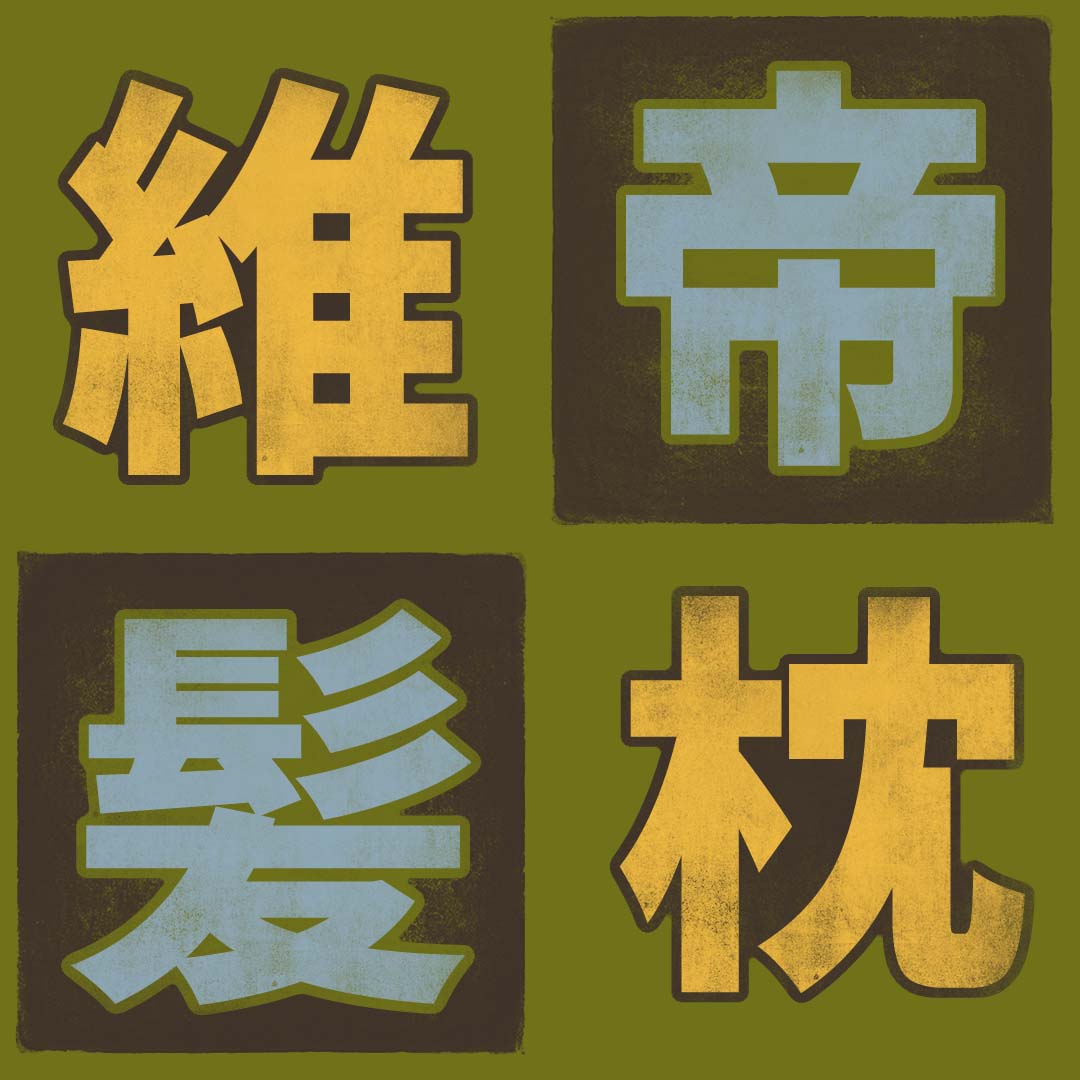
With the Meiji Restoration of 1868, when samurai drove out the shogun and restored Emperor Meiji to power, Japan entered a period of staggering transformation. The nation opened to the West, incorporating its knowledge, technology, and institutions. No longer a feudal society, Japan developed a market economy. With a new national system of public schools, Japan produced a skilled workforce who contributed to rapid industrial growth. All of these changes and more led Japan to become a formidable military power by 1895. This bundle provides a sweeping overview of how Japan became unrecognizable during the Meiji era (1868–1912).
105
Meiji Era: Resisting the Revolution
詐 彰 隆 鶴
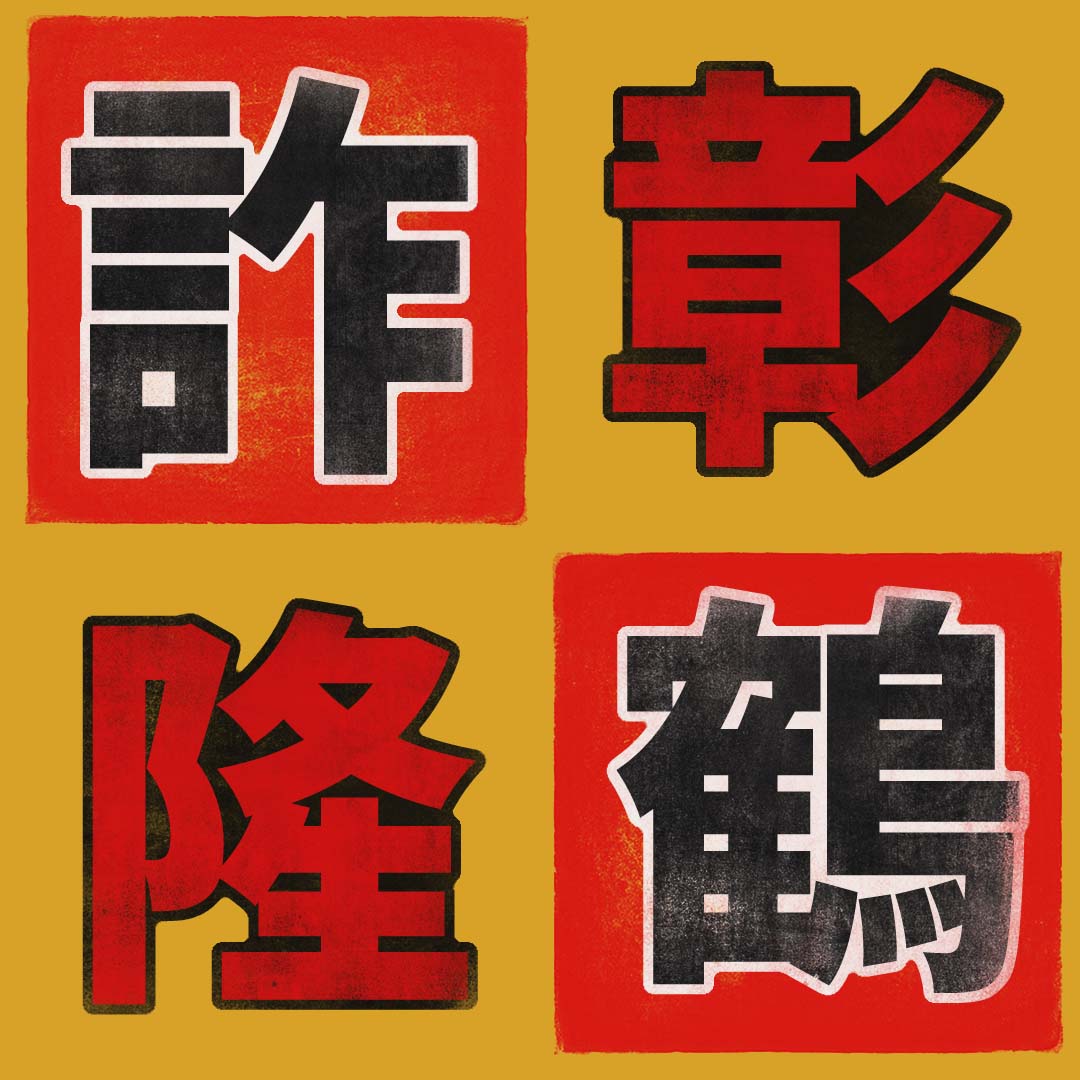
Some consider the Meiji Restoration of 1868 a bloodless revolution, but as this bundle shows, profound change doesn't come without turbulence. The Shogitai army (pro-shogun radicals) waged war against the Meiji government, only to be defeated in a one-day battle in 1868. The same year, three thousand samurai took on governmental forces in the monthlong Boshin War, losing and bringing the samurai era to an end. Even nowadays certain individuals resist the changes wrought by the Meiji Restoration; the essays include titles by authors who label that event a mistake and condemn the glorification of the Meiji era (1868–1912).
106
Meiji Era: Revolutionary Thinking
倹 儒 窃 慕
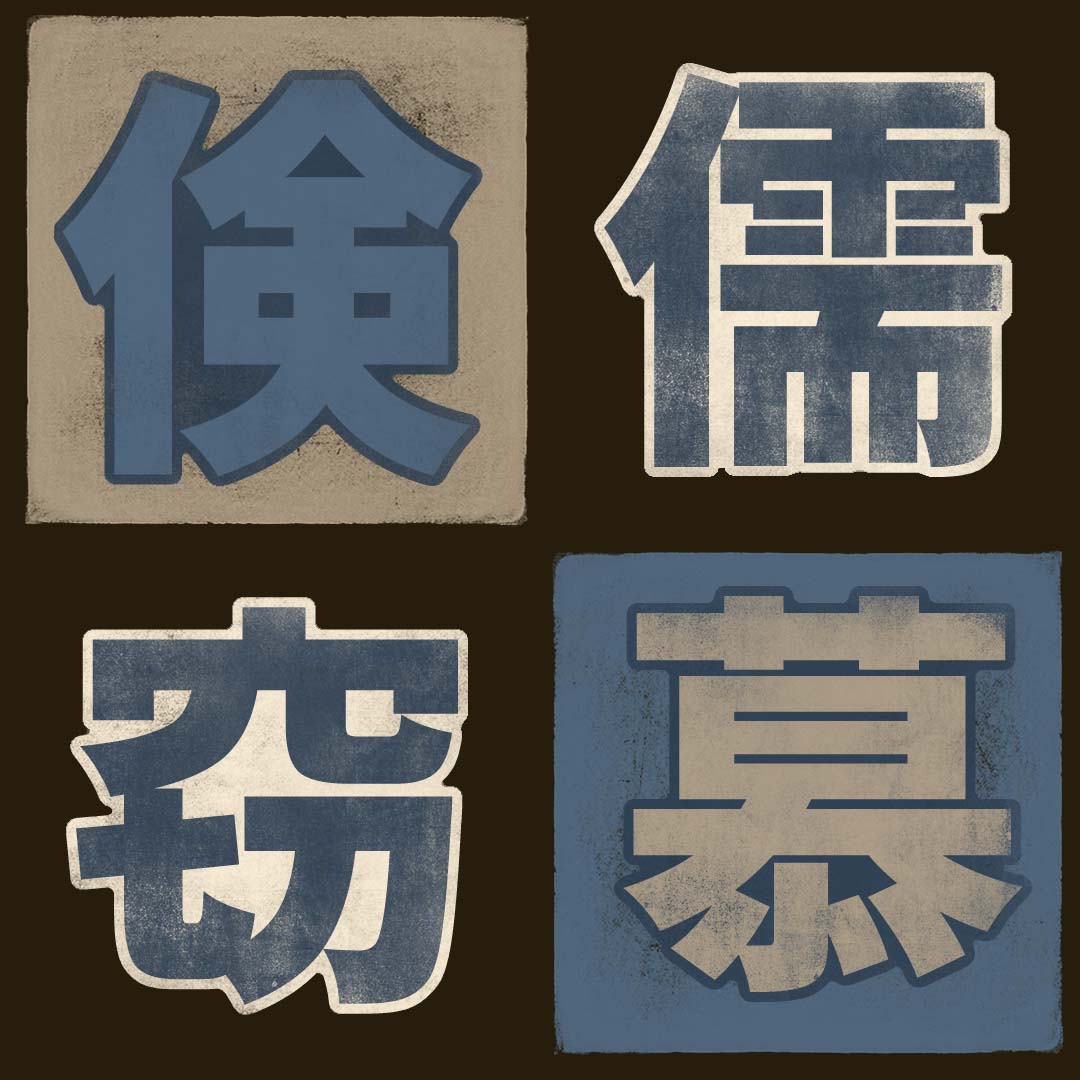
True revolutions require a sea change in a culture's thinking. As this bundle shows, that occurred in many realms during the Meiji era (1868–1912). For instance, writer Yukichi Fukuzawa and entrepreneur Zenjiro Yasuda strongly promoted frugality. So did the Meiji government, which popularized such slogans as "Extravagance Is Our Enemy." The idea was that having the masses save would help Japan develop economically. In addition, old Confucian ideals began to conflict with the population's new hankering for freedom and individualism, tearing families asunder. Finally, the Japanese started to reject plagiarism and embraced concepts such as copyrights.

Kanshudo is your AI Japanese tutor, and your constant companion on the road to mastery of the Japanese language. To get started learning Japanese, just follow the study recommendations on your Dashboard. You can use Quick search (accessible using the icon at the top of every page) to look up any Japanese word, kanji or grammar point, as well as to find anything on Kanshudo quickly. For an overview, take the tour.

×