The Kanshudo Blog

New Joy o' Kanji Thematic Bundles for May

Posted: 2026-05-29, Tags: joy-o-kanji kanji
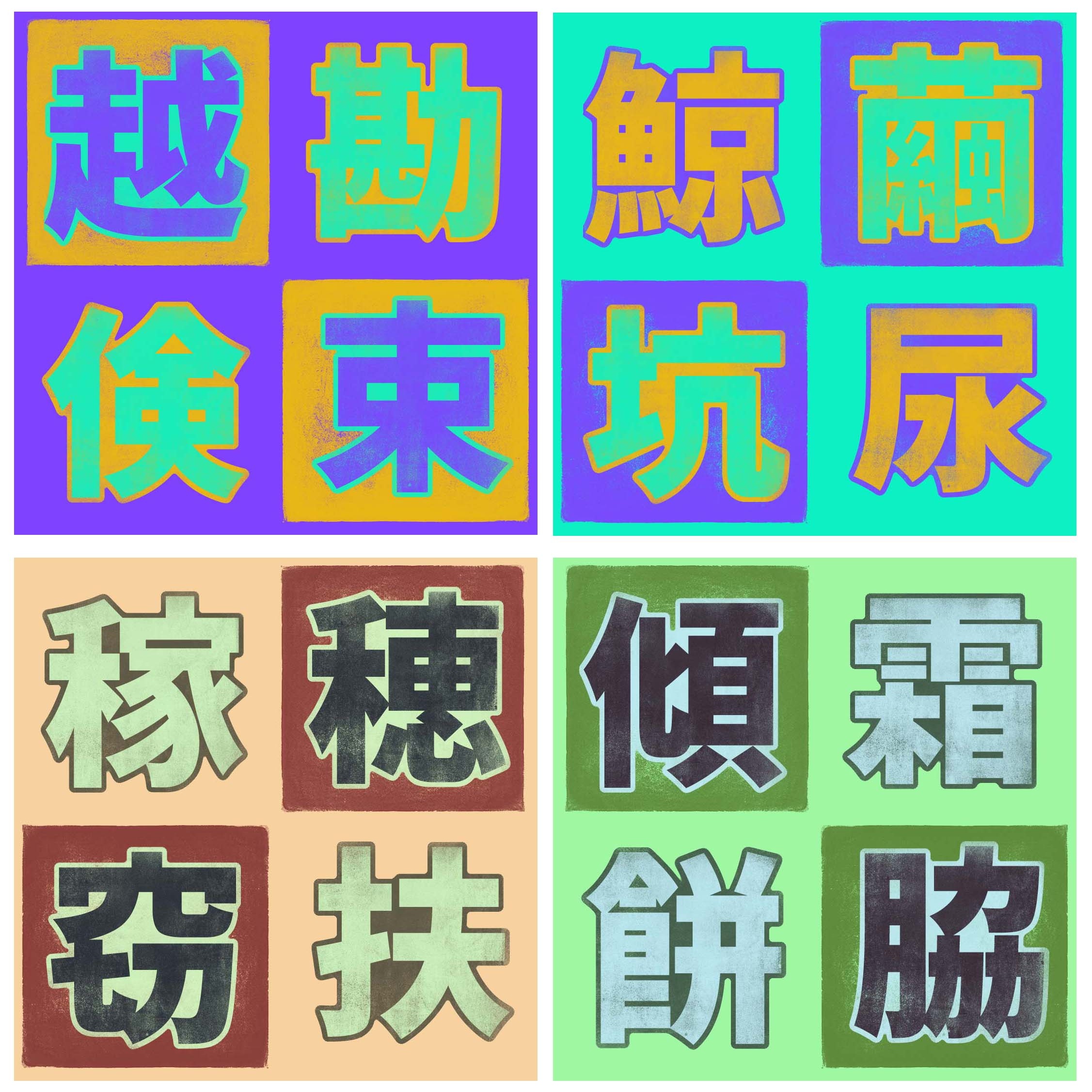
New bundles examine Edo-era financial culture from various angles. New industries emerged, some quite creative. Most people lacked money, thereby honoring frugality. The samurai, with their code of honor, had their own distinctive relationship to money and commerce. Independent of financial issues, they also developed a distinctive style that caught the attention of the regular Japanese.
96
Edo Era: The Culture of Money
越 勘 倹 束
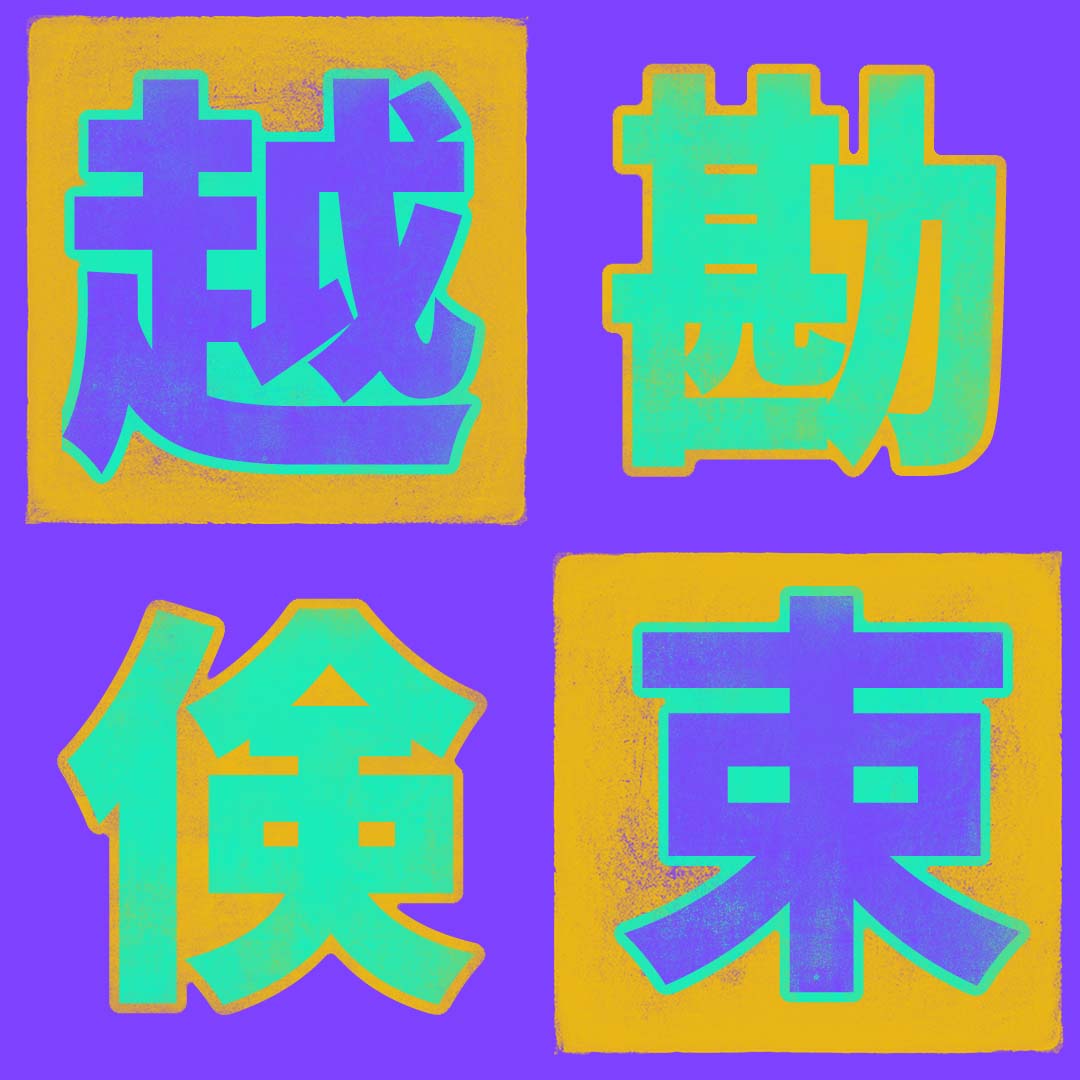
This bundle examines financial culture in the Edo period (1603–1867). Because most Japanese couldn't save much, they honored frugality, embracing the sayings "Bear noble poverty, despise riches" and "A man is still a man even if he's poor." Money was tight even for many provincial lords, who halved samurai salaries. But some folks did have money; they bought things on credit, paying off debts at year's end, and whatever the Edo native earned by day, he famously spent at night on drinking and prostitutes. Garments in which people stored cash gave rise to a term for "financial standing."
97
Edo Era: New Industries Emerge
鯨 繭 坑 尿
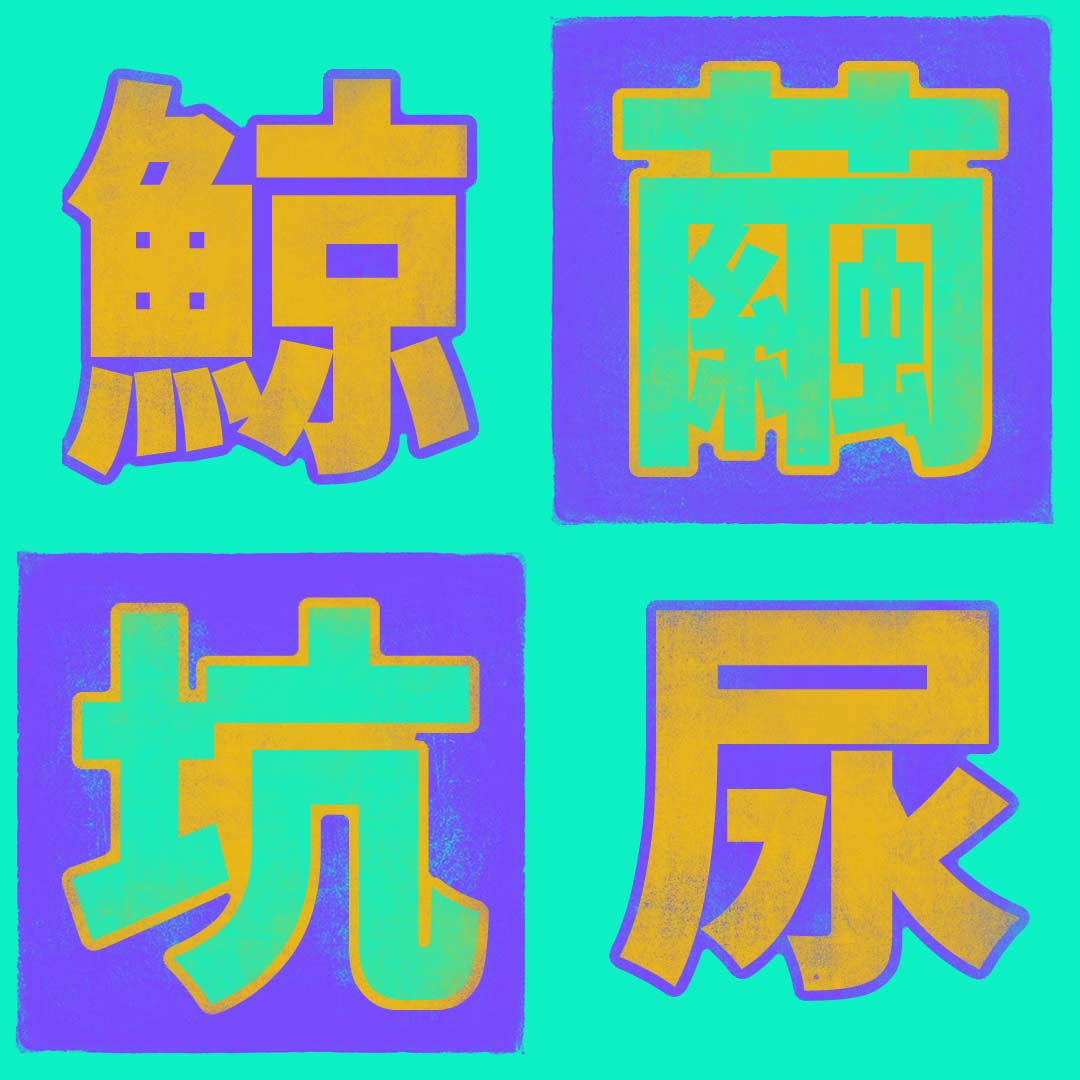
As this bundle shows, new industries in the Edo era (1603–1867) changed Japanese culture. Ample whaling caused whale images and whaling byproducts to proliferate in people's lives. Mining technology greatly improved, providing ongoing wealth for the shogunate and enabling the Japanese to export precious metals. Despite productive copper mining, Japan nearly exhausted that metal by using it to pay China for abundant raw silk, so citizens cultivated silkworms throughout Japan, and artisans developed techniques for weaving and dyeing silk. One other emergent industry was most resourceful; traders sold household sewage to farmers as fertilizer!
98
Edo Era: The Samurai Code and Views of Money
稼 穂 窃 扶
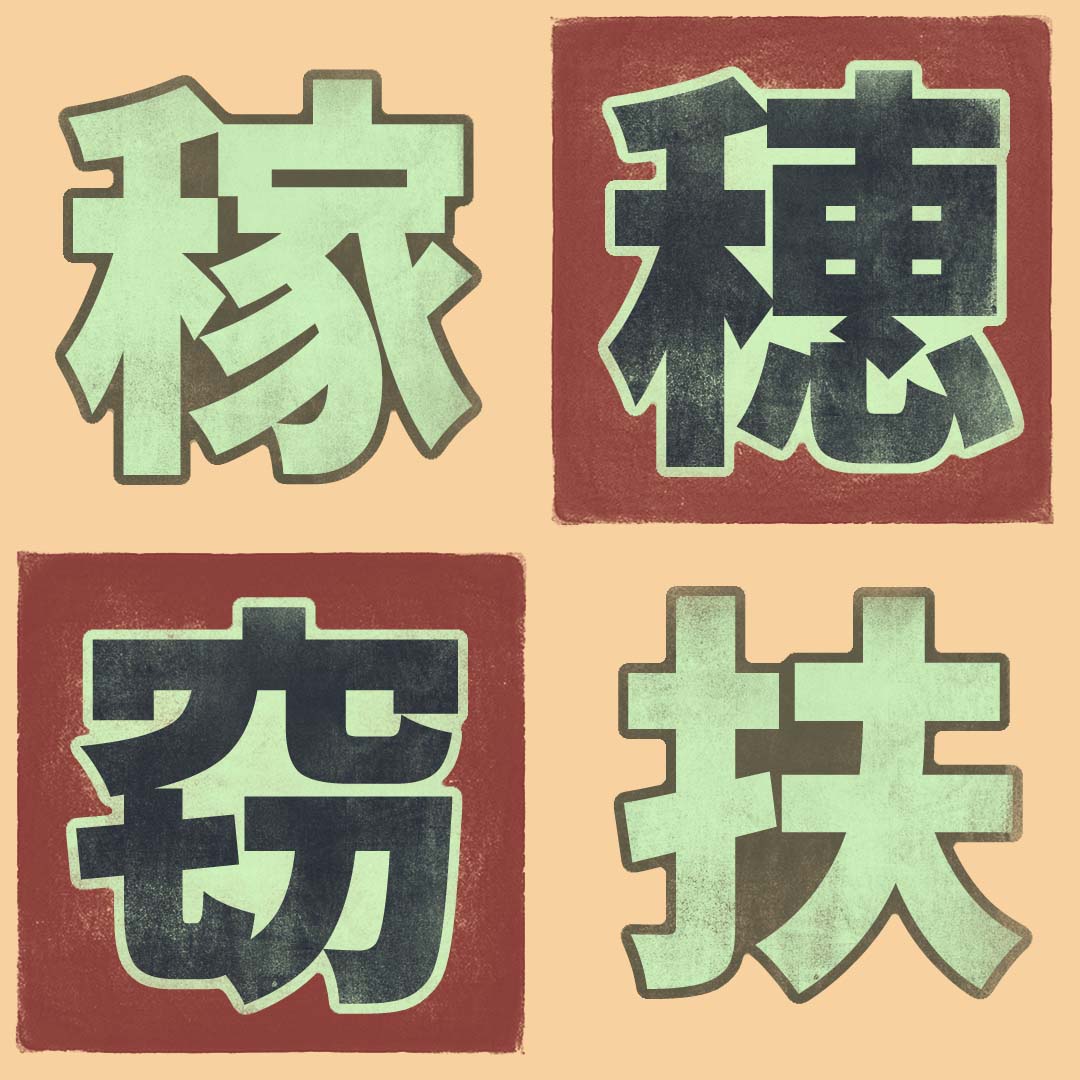
This bundle reflects that samurai in the Edo era (1603–1867) had an unusual relationship with money. They viewed earning as a "dirty thing," and they devalued vendors for selling things that others made. Still, the samurai must have resented putting in a day's work only to be paid in rice. When they lost their jobs, many former samurai became petty thieves and muggers. One famous movie showcases unemployed Edo-era samurai who avenged the death of their lord. The tale demonstrates the samurai code of honor, perhaps showing that values mattered to them more than anything, including money.
99
Edo Era: Samurai Style
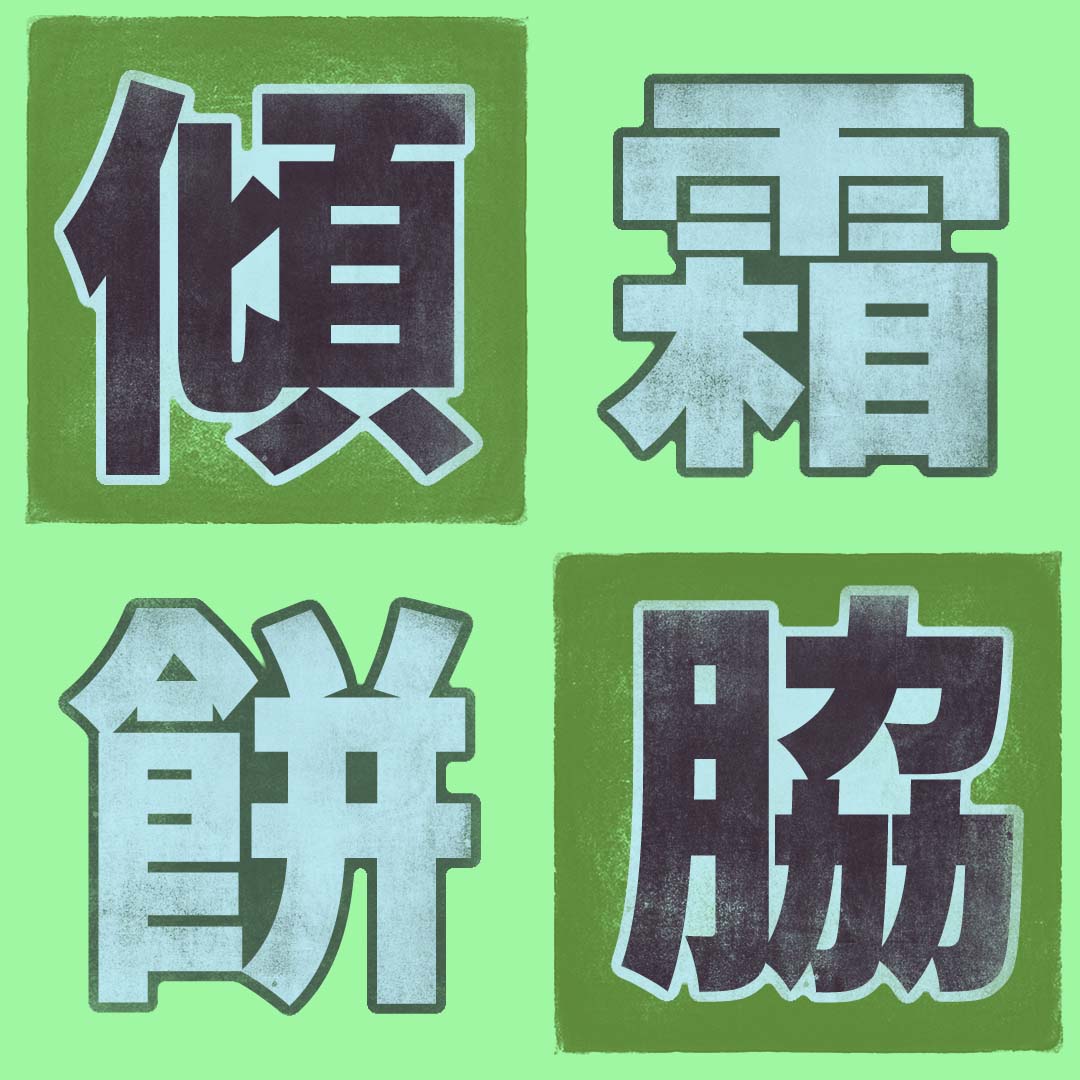
傾 霜 餅 脇
What a figure the samurai must have cut in the Edo era (1603–1867). As these essays explain, men shaved the tops of their heads. Kabukimono (samurai gangsters) had even stranger hairstyles, plus eye-catching clothes and behavior so eccentric that people often translate "kabukimono" as "the crazy ones." Samurai wore two swords—one large and one small—whereas commoners had only small ones. In urban areas, the rebellious kabukimono were both hated for their lawlessness and admired for their manliness. Samurai culture flourished so much that people created a rectangular mochi and playfully named it with a samurai allusion!

Kanshudo is your AI Japanese tutor, and your constant companion on the road to mastery of the Japanese language. To get started learning Japanese, just follow the study recommendations on your Dashboard. You can use Quick search (accessible using the icon at the top of every page) to look up any Japanese word, kanji or grammar point, as well as to find anything on Kanshudo quickly. For an overview, take the tour.

×