Components

帝 means 'sovereign'

Animation / stroke order not available.
LOG IN to view this kanji's mnemonic
Strokes : 9    Frequency: 933   JLPT: N1    Usefulness: 5    Study set: 5-8    Grade: 8   Intermediate lesson: -    Beginner lesson: -   Begins 41 words   Used in 91 words   Used in 139 names   Component in 16 kanji (2 Jōyō)
Jōyō (常用)
On
   テイ
Kun    みかど sovereign, the emperor, god, creator
A Joy o' Kanji essay is available for 帝 - click the badge to download
Find out why some people call Japan にっぽん, how the mikado kept himself busy centuries ago when he had no power, and how to address the emperor properly if you ever meet! The essay also examines how the old Empire of Japan has influenced the country today, from traces of imperial words in the contemporary language to Japanese feelings about what happened in the past.
The essay is also included in the following Thematic Bundles
72
Heian-Era Clans in Control
摂 帝 滅 藤
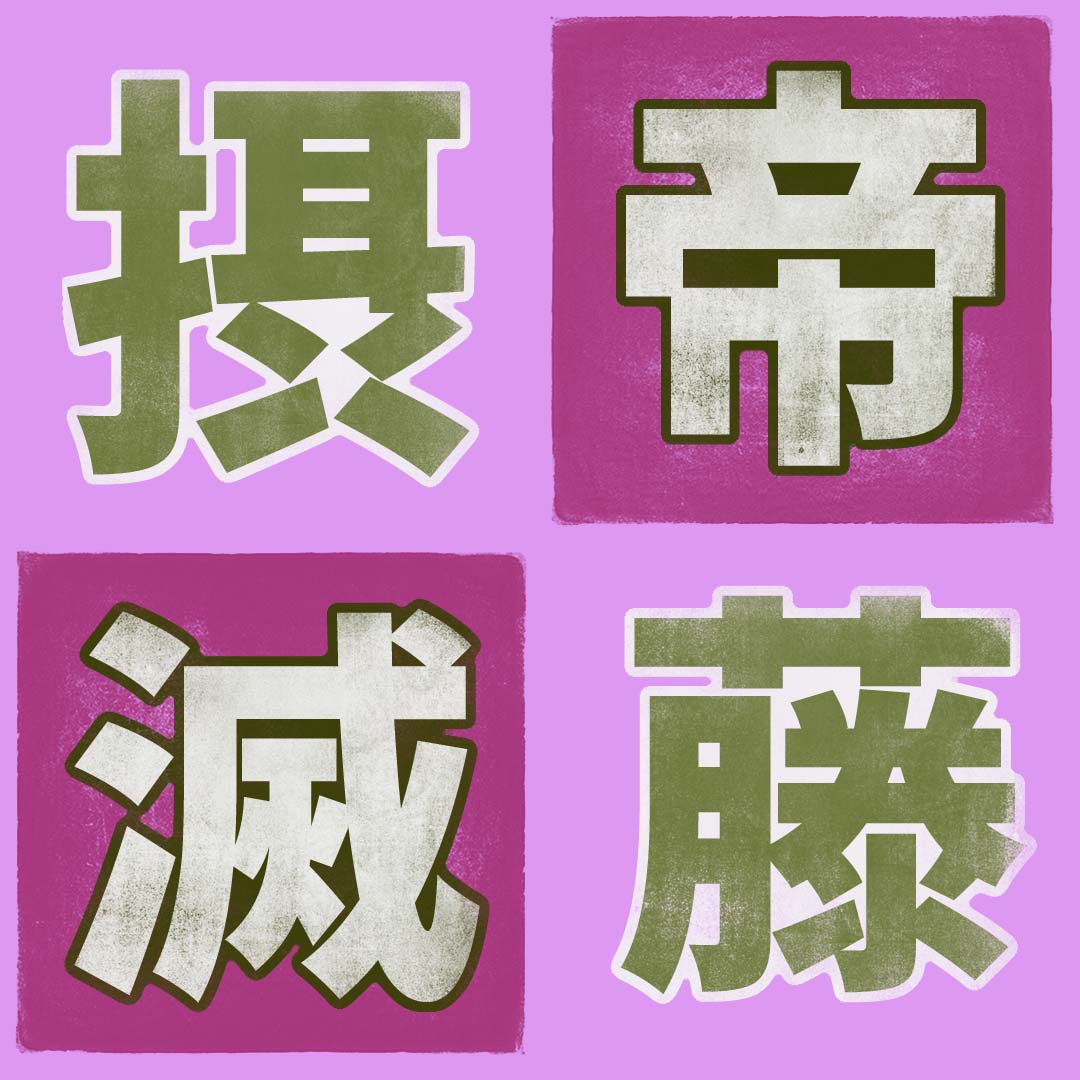
As these essays show, political power shifted dramatically during the Heian period (794–1185). Emperors became figureheads while aristocrats grabbed true power. Starting in the mid-9th century, the Fujiwara clan became regents and advisers, excluding other clans from that scene. In the tussle for power, entire families could be eliminated; in one massive sea battle, the Minamoto clan exterminated the Taira family. By the late 10th century, Fujiwara power reached its zenith. For instance, Japanese artists developed a national style from 894 to 1185, and art historians call that the Fujiwara period, simply because of who was in charge.
78
Kamakura Era: Leaders at a Cultural Divide
剣 帝 鎌 刹
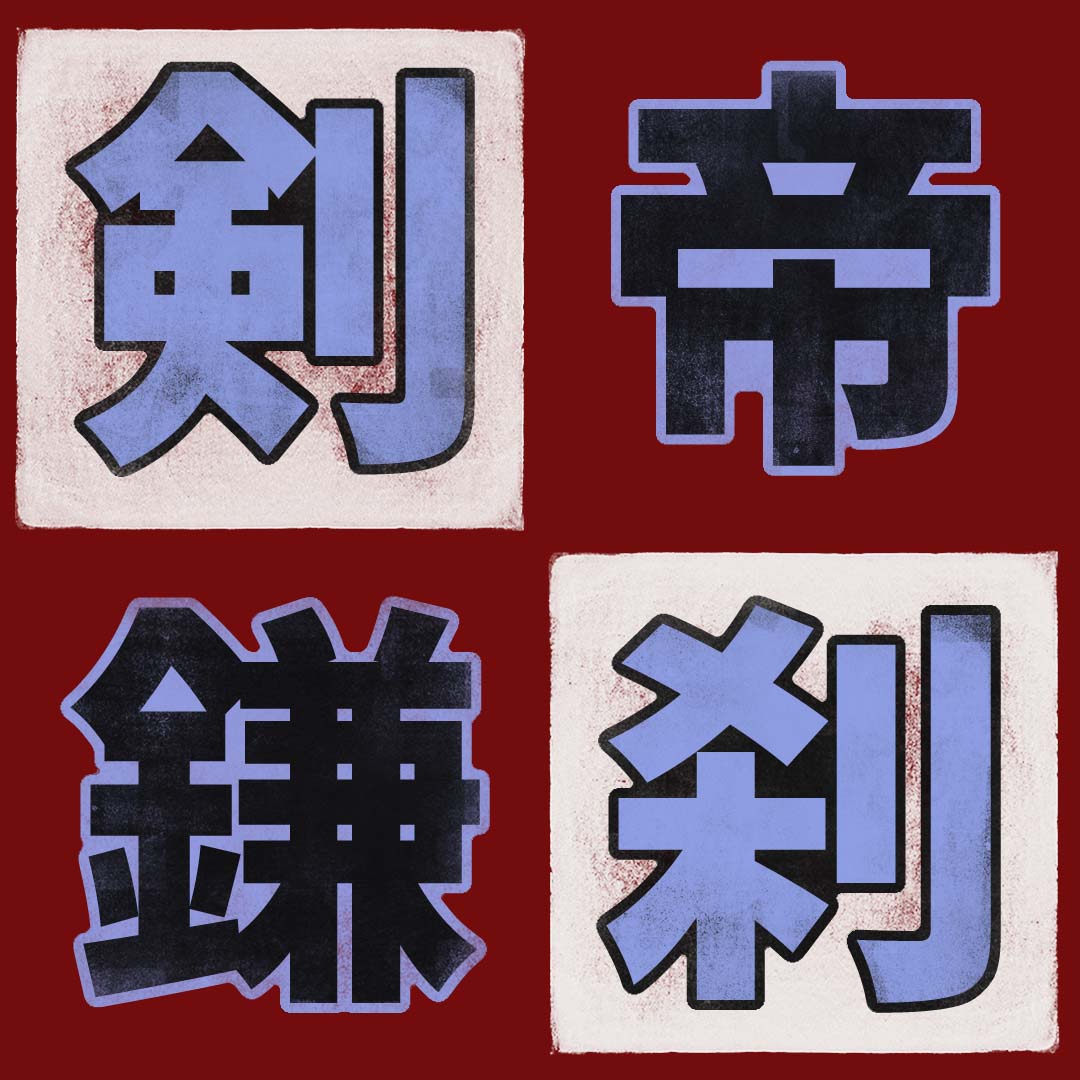
These essays show how in the Kamakura era (1185–1333), emperors and shoguns operated on distinctly different wavelengths. Shoguns governed from Kamakura with warrior ideals, creating a militaristic culture in which samurai pursued spearsmanship and swordsmanship, using dogs as archery targets. Meanwhile, in Kyoto, emperors were powerless figureheads who focused on promoting Japanese culture. They wrote verse, compiled poetry anthologies, and built temples with Zen gardens. But temples weren't always peaceful oases; the shogunate surreptitiously used many for political ends (as when monks monitored local conditions for the military). With this setup, rulers disguised their power under a religious mask.
⿱   stand  ⿵   cover; covered   turban; cloth  
Explore these components visually on The Kanji Map ⇗
 belt  
LOG IN to view kanji mastery data
LOG IN to view your flashcards
In the most useful 10,000 words in Japanese, 帝 is used 3 times, read 2 ways.
Across all words in Japanese, 帝 is used 86 times, read 2 ways.
Showing:
テイ : 83 words FIND ALL
0 1
noun
1. empire
2. imperial
(click the word for examples and links)
みかど : 3 words FIND ALL
0
noun
1. emperor (of Japan); mikado
2. (the gates of an) imperial residence  (honorific)
(click the word to view an additional 2 forms, examples and links)
Additional less common words include 帝 but readings have not yet been categorized.
Henshall: 1616  Joy o' Kanji : 1616  Key to Kanji:

Cascading kanji view

テイ    sovereign   
Please LOG IN to view this kanji's mnemonic
リツ   リュウ   た to stand   たてる to build   
cover; covered   
キン   turban; cloth
Problem with this kanji? Question or comment? Please CONTACT US.

Kanshudo is your AI Japanese tutor, and your constant companion on the road to mastery of the Japanese language. To get started learning Japanese, just follow the study recommendations on your Dashboard. You can use Quick search (accessible using the icon at the top of every page) to look up any Japanese word, kanji or grammar point, as well as to find anything on Kanshudo quickly. For an overview, take the tour.
Search results include information from a variety of sources, including Kanshudo (kanji mnemonics, kanji readings, kanji components, vocab and name frequency data, grammar points, examples), JMdict (vocabulary), Tatoeba (examples), Enamdict (names), KanjiVG (kanji animations and stroke order), and Joy o' Kanji (kanji and radical synopses). Translations provided by Google's Neural Machine Translation engine. For more information see credits.
×