
The Kanshudo Blog

New Joy o' Kanji Thematic Bundles for June

Posted: 2026-06-29, Tags: joy-o-kanji kanji
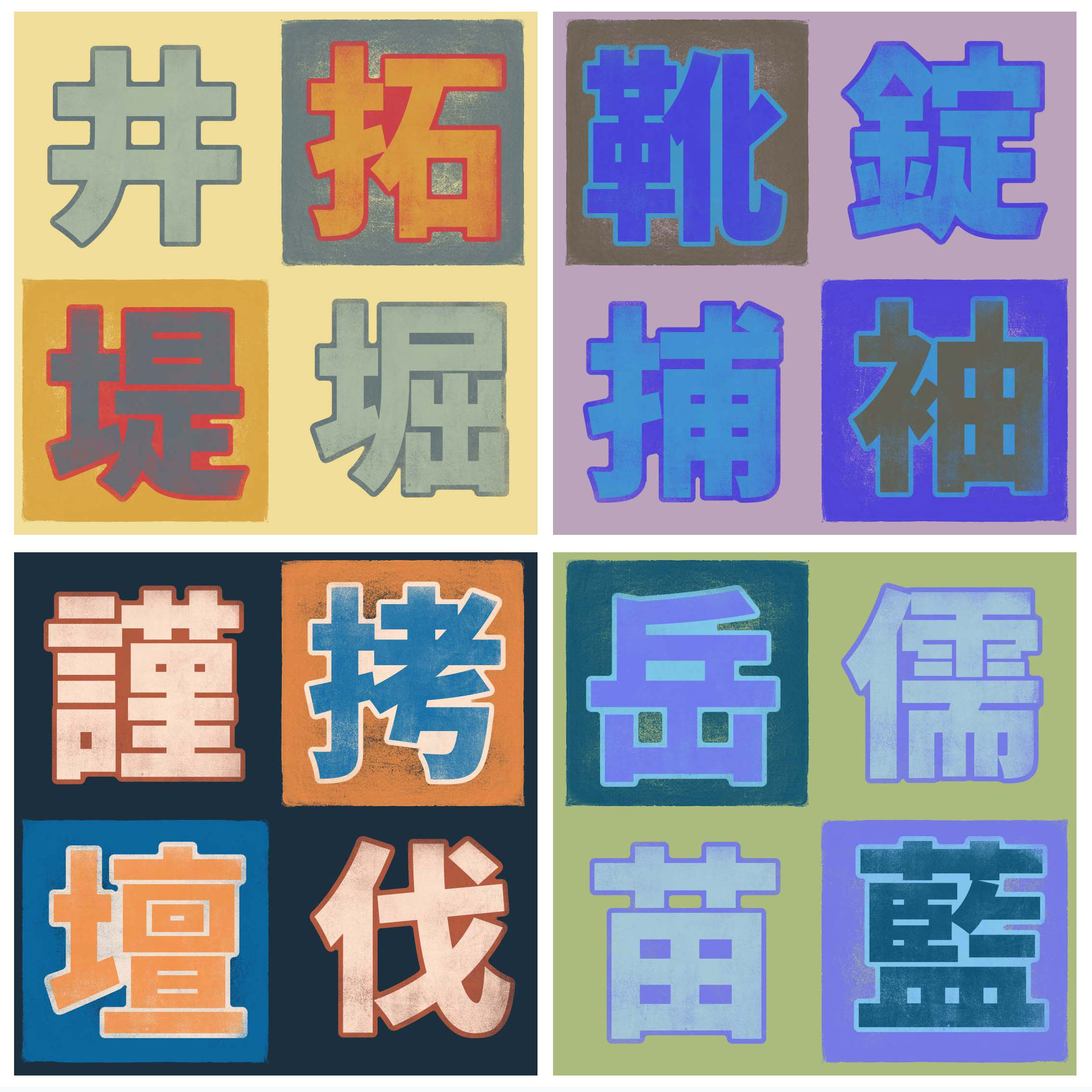
Four new bundles close out the examination of the Edo era. Two collections look at crime and punishment (including grisly forms of torture and execution), another covers ambitious projects to reshape the terrain, and the last explores governmental oppression of its citizens, a repressiveness that helped to topple the shogunate, bringing an end to the Edo period.
100
"Ido" Era: Reshaping Japan
井 拓 堤 堀
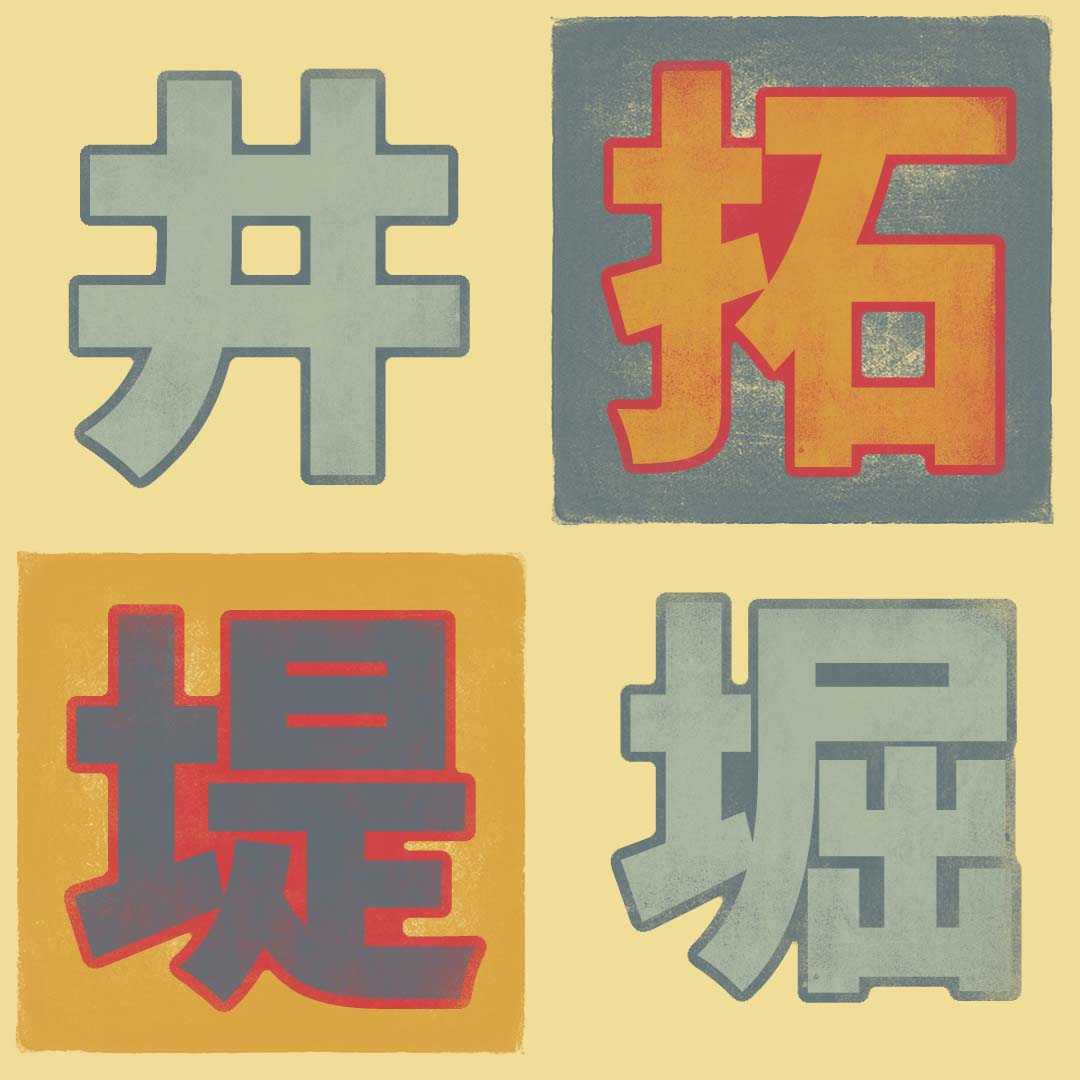
In the Edo period (1603–1867), the Japanese reconfigured geographical features and built abundant infrastructure, as this bundle shows. Where multiple rivers met, engineers changed their flow. Numerous canals emerged, providing transportation, protecting land from disasters, supplying water to fields, and stimulating commerce. New aqueducts connected rivers, and new wells created access to groundwater. So popular was the 井戸 (いど: well) during the Edo era that people jokingly call it the "Ido" era! And in 1767 on Kyushu, people launched an ambitious project to reclaim vast quantities of land from the sea. That effort continues today!
101
Edo Era: Brushes with the Law
靴 錠 捕 袖
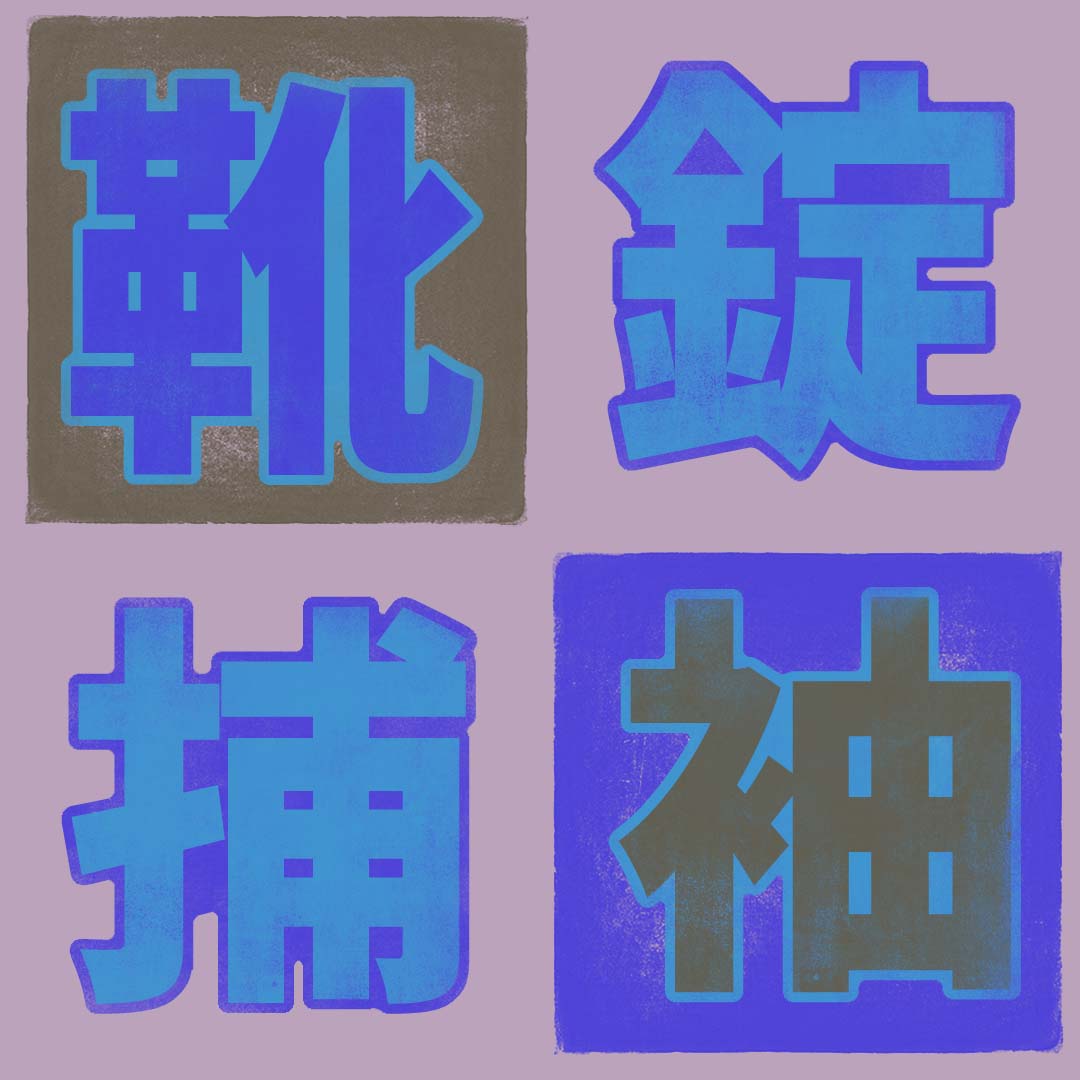
As one essay in this bundle shows, theft wasn't rampant in the Edo period (1603–1867). Regular people didn't even lock their homes, greatly trusting their communities. But as other essays reflect, the era gave rise to copious crime novels, detectives' memoirs, and dramas, so people clearly did commit crimes. Arrests ensued; barbed metal made it possible to catch suspects, and the police then bound detainees' hands with rope. Officers weren't squeaky-clean, though. One expression alludes to a particular man who was both a gambler and a policeman. In the latter capacity, he cracked down on gamblers!
102
Edo Era: Draconian Punishments
謹 拷 壇 伐
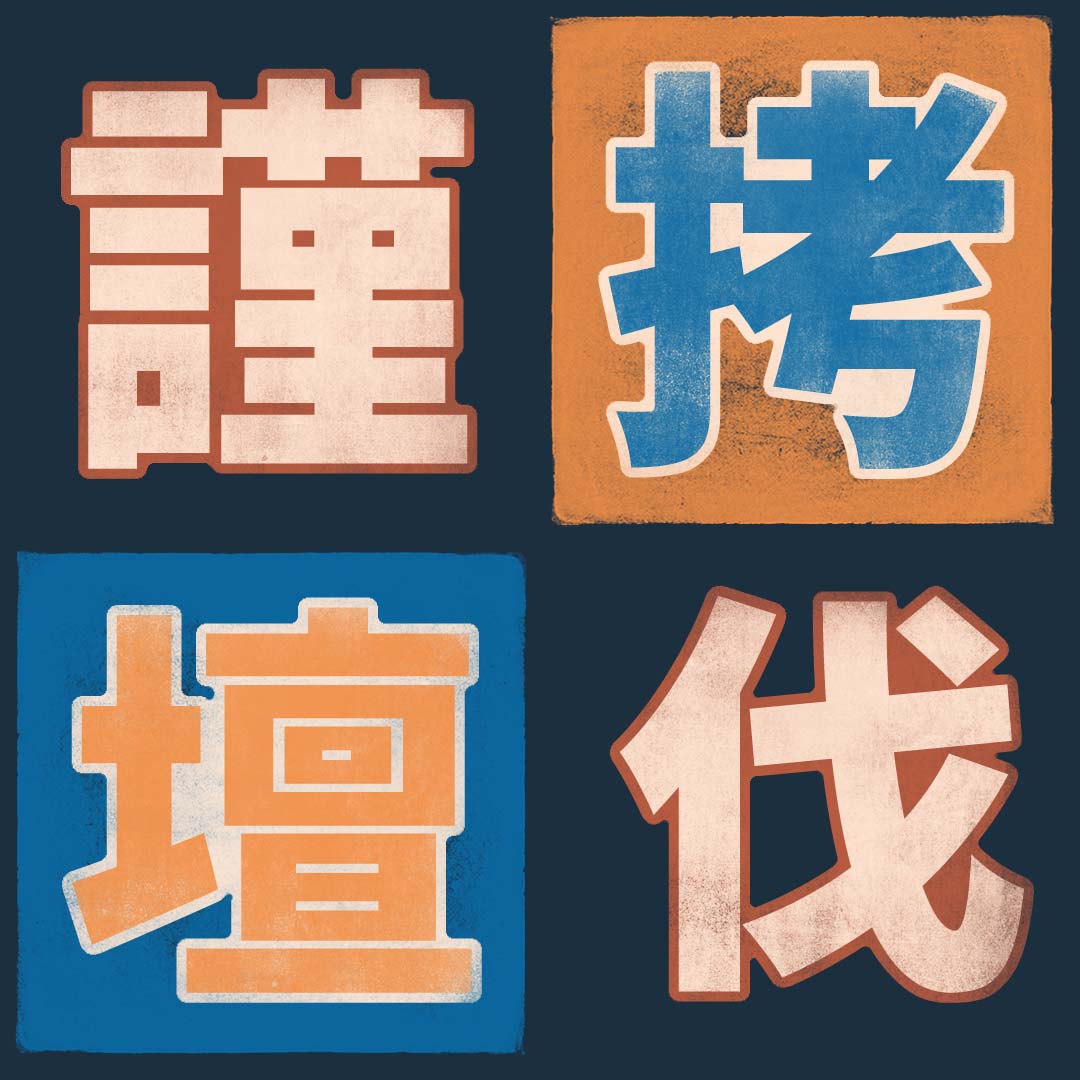
Justice was severe in the Edo era (1603–1867), as this bundle shows. People could legally kill enemies. Samurai faced house arrest for crimes. The shogunate locked tax evaders in cages and submerged them in frigid water. Some criminals had their foreheads tattooed. Capital punishment modalities included burning at the stake, crucifying someone and stabbing the body with spears, and decapitation, which was a punishment for murder, robbery, or even the production of fake masu boxes! Some criminals were publicly displayed and kept alive for days as the public hacked at the neck with a dull bamboo saw. Fun times!
103
Edo Era: Government Overreach
岳 儒 苗 藍
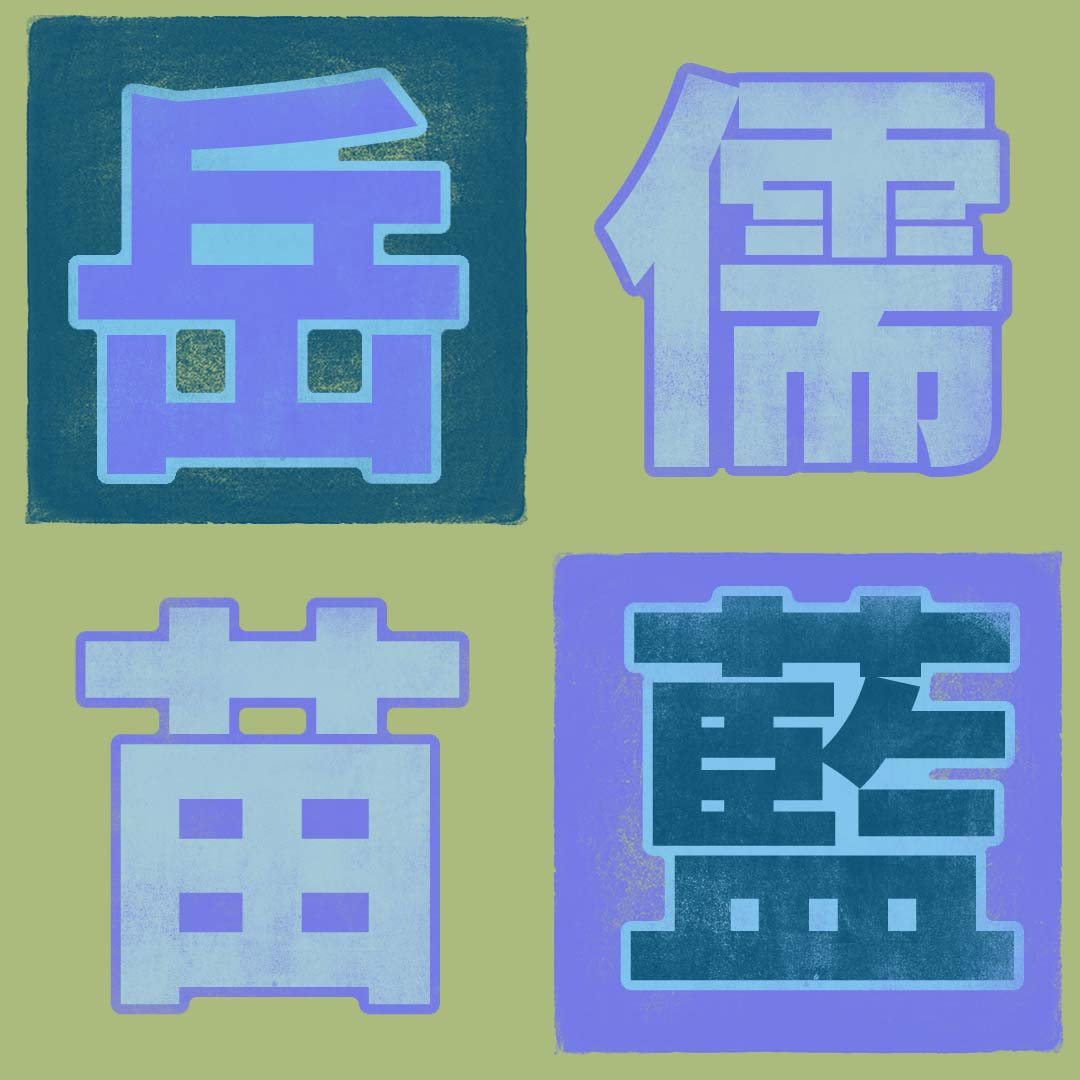
This collection shows that the government had massive control issues during the Edo era (1603–1867)! Commoners couldn't wear silk and could have surnames and swords only if granted permission. The authorities kept borders closed, greatly delaying access to vaccines. The government also banned Christianity and oppressed Christians. To justify extreme levels of control over citizens, the shogunate adopted Confucianism. Its teachings include dedication to one's master, a philosophy supporting the shogun's absolute power. But a rival doctrine emerged, and its criticism of Confucianism as repressive contributed to the collapse of the shogunate, ending the Edo era.

Kanshudo is your AI Japanese tutor, and your constant companion on the road to mastery of the Japanese language. To get started learning Japanese, just follow the study recommendations on your Dashboard. You can use Quick search (accessible using the icon at the top of every page) to look up any Japanese word, kanji or grammar point, as well as to find anything on Kanshudo quickly. For an overview, take the tour.

×