The Kanshudo Blog

New Joy o' Kanji Thematic Bundles for November

Posted: 2025-11-26, Tags: joy-o-kanji kanji
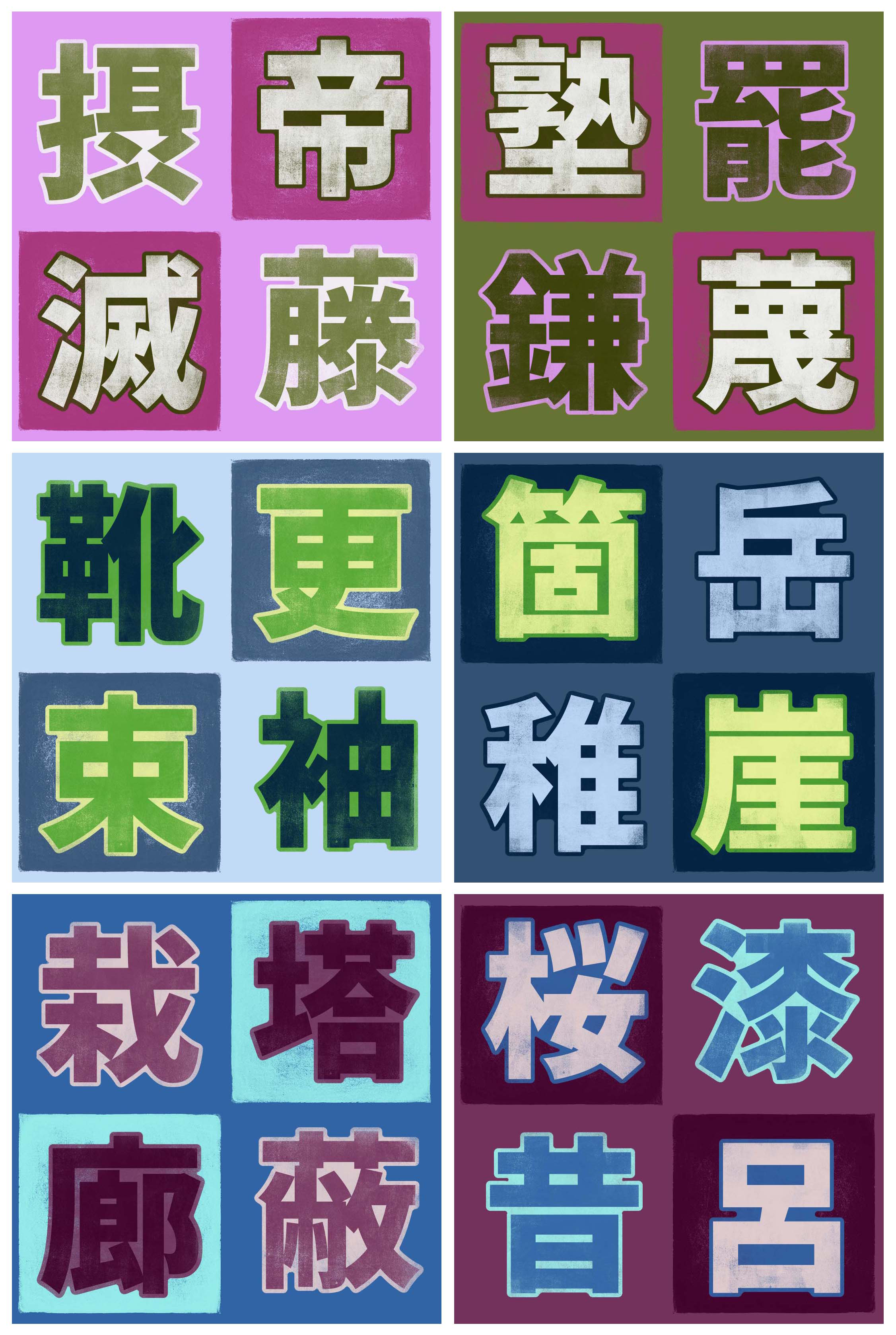
Twenty-four essays collectively bring the Heian era (794–1185) to life, throwing the spotlight on shifting political power and on inequity so blatant that it recalls the French Revolution. The bundles also examine significant changes in the religious realm (for better and for worse), as well as advances in clothing, architecture, and literature.
72
Heian-Era Clans in Control
摂 帝 滅 藤
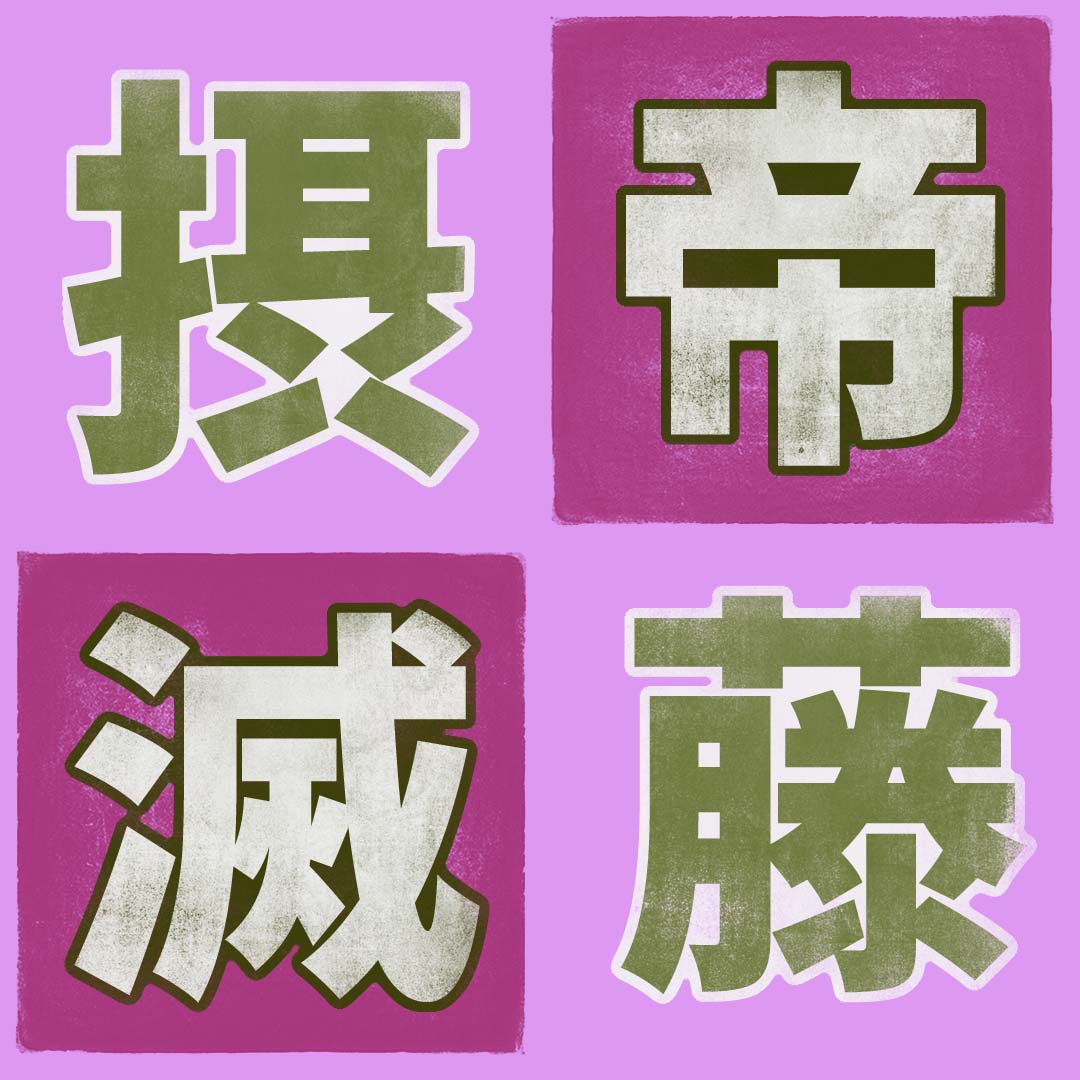
As these essays show, political power shifted dramatically during the Heian period (794–1185). Emperors became figureheads while aristocrats grabbed true power. Starting in the mid-9th century, the Fujiwara clan became regents and advisers, excluding other clans from that scene. In the tussle for power, entire families could be eliminated; in one massive sea battle, the Minamoto clan exterminated the Taira family. By the late 10th century, Fujiwara power reached its zenith. For instance, Japanese artists developed a national style from 894 to 1185, and art historians call that the Fujiwara period, simply because of who was in charge.
73
Heian-Era Nobles Living Their Best Lives
塾 罷 鎌 蔑
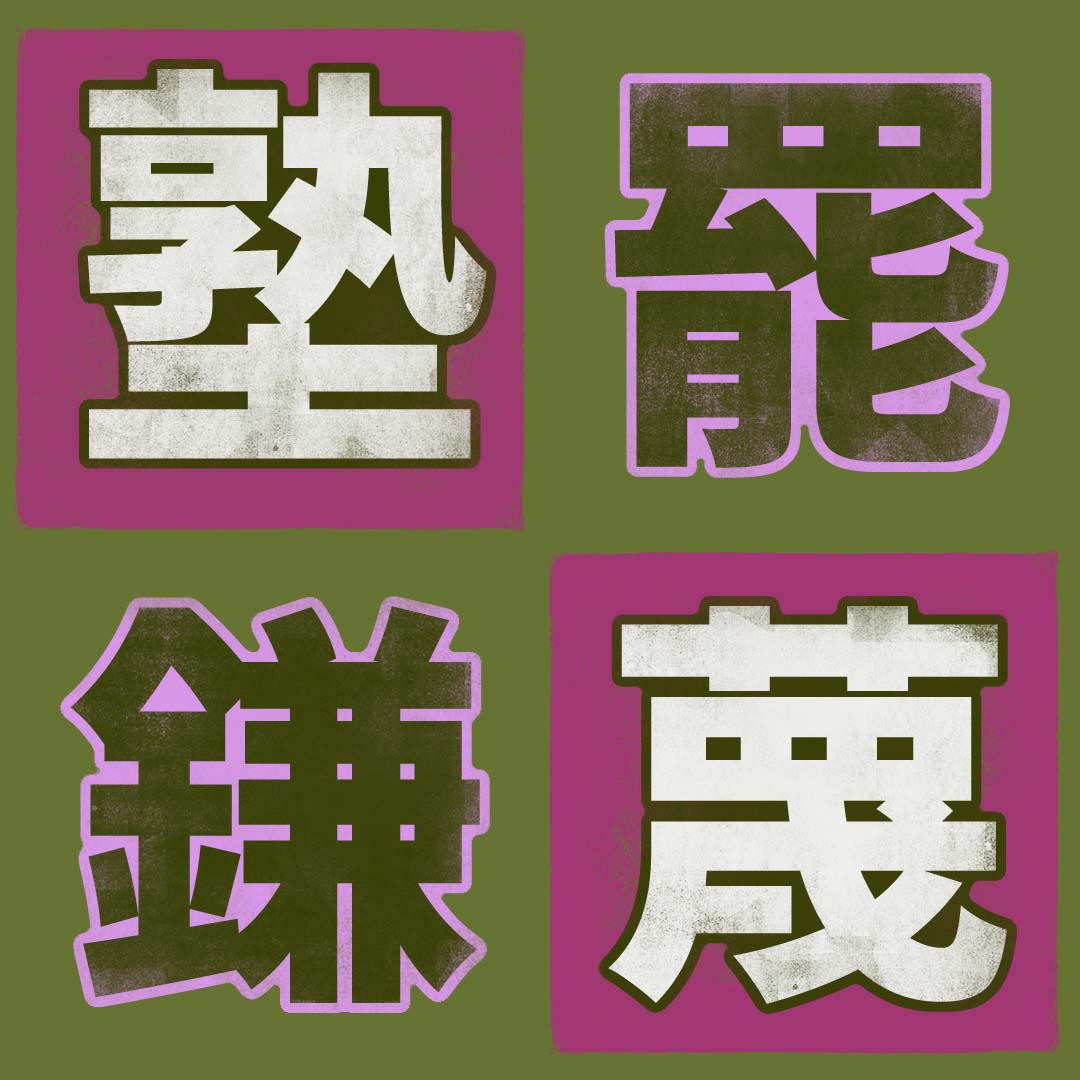
In the Heian era (794–1185), aristocrats flourished in Japan and relished their newfound power. Only they could afford private lessons (in poetry). Being terrible snobs, they scornfully demanded that the samurai compose poems impromptu; viewing the samurai as savages, the nobles were setting the samurai up to fail. During those times of gross power imbalances, this term mattered: 罷る (to go somewhere by order of a superior). Of course, the nobles were the masters. But nothing lasts forever; by the mid-12th century, control of Japan shifted away from aristocrats into the hands of the samurai. Oops!
74
Strangling Sartorial Rules in the Heian Era
靴 更 束 袖
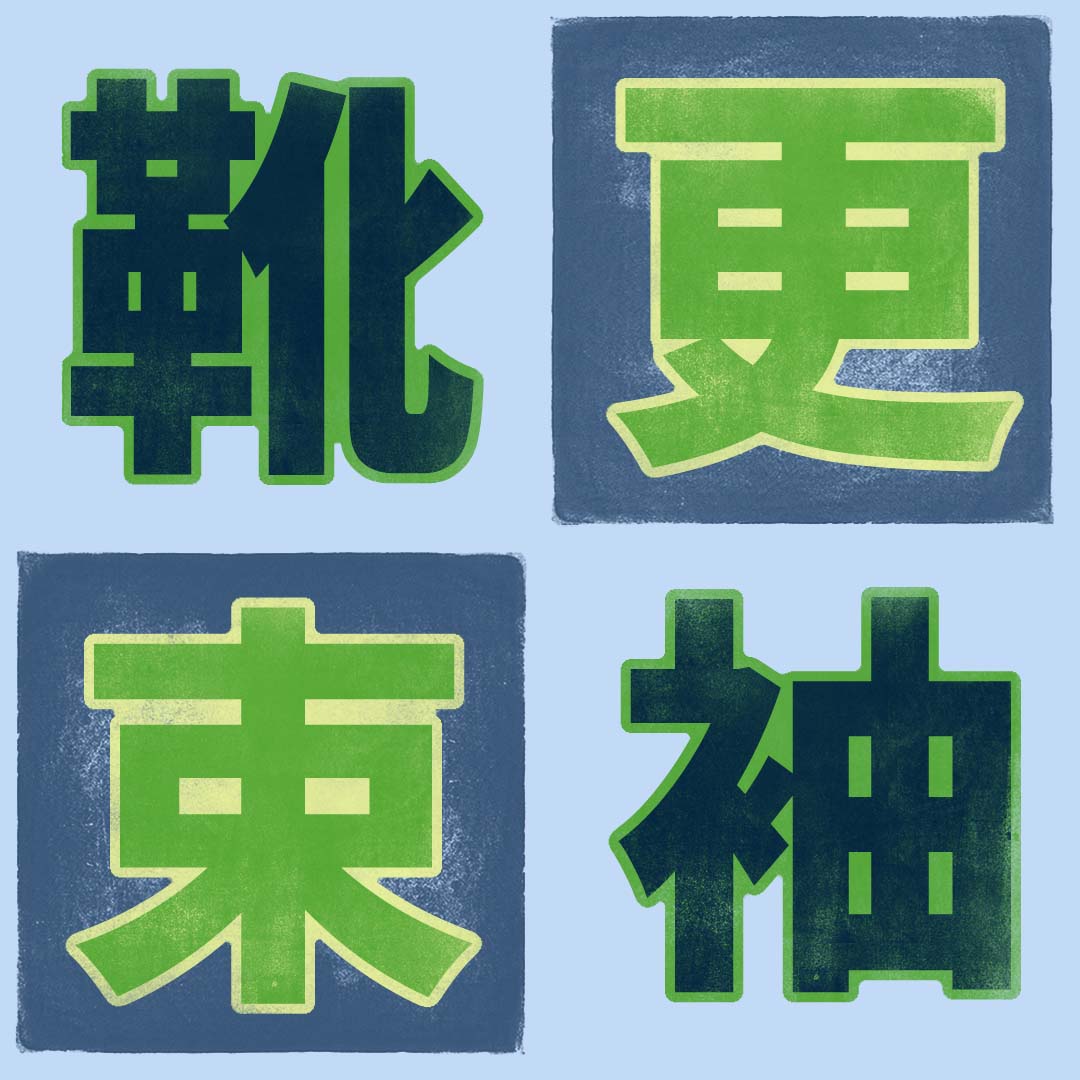
Your clothes may feel binding, but as these essays show, nothing compares to the strangling sartorial restrictions of the Heian era (794–1185). The elites changed clothes whenever they pooped! They also wore at least six types of clothing simultaneously, putting them on in a fixed order. For instance, aristocrats had to wear short-sleeved kimonos under other layers. Fortunately, Heian shoe innovations made life better for everyone. The Japanese devised three types of sandals. The nobility began wearing shoes more often, and common people made their own footwear.
75
Heian Piety and Problems
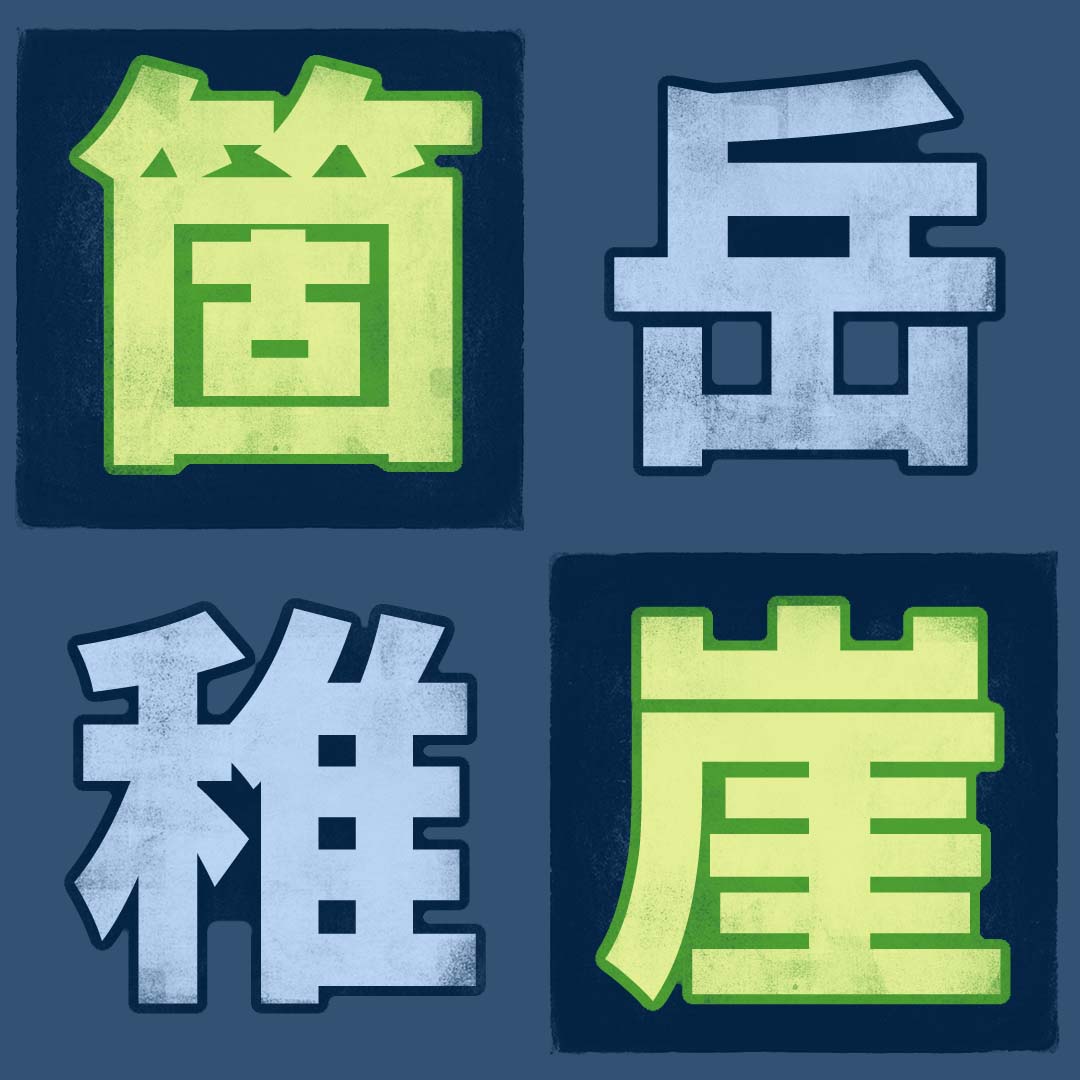
箇 岳 稚 崖
Religion greatly influenced the Heian era (794–1185), as this bundle shows. Pious types took pilgrimages and carved massive Buddha figures onto rock faces. In one Kyushu city alone, 59 such statues have been deemed national treasures. Those years also gave rise to Shugendo, a mixture of mountain worship, esoteric Buddhism, and Taoism. But not all developments were positive. At remote temples, some monks sodomized boys who were training to be priests, causing countless Japanese to pull away from temples. Many also felt turned off by monks' arrogance and by temples' tax-exempt status. Consequently, several new sects of Buddhism emerged.
76
Heian Architecture, Both Grand and Practical
栽 塔 廊 蔽
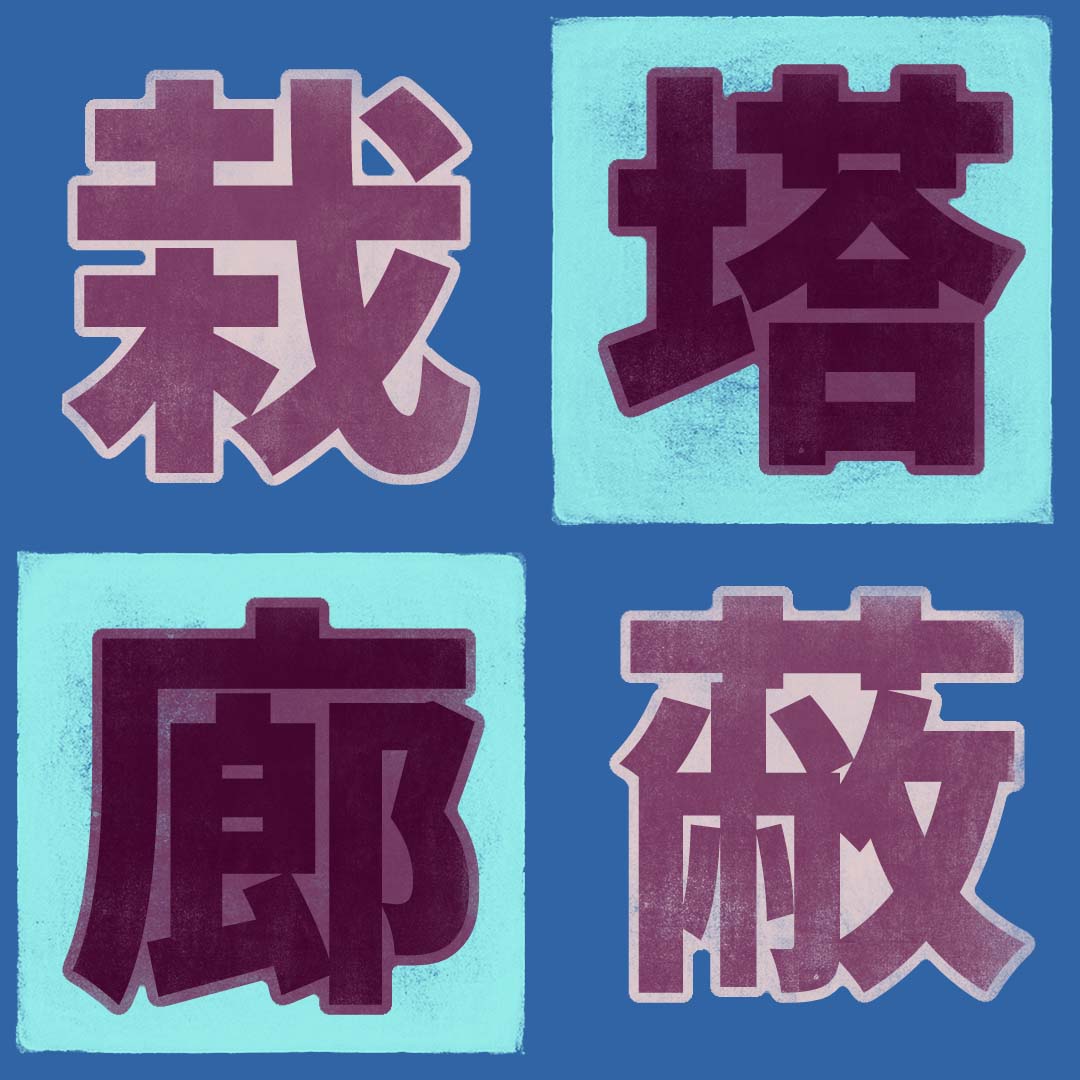
The Heian era (794–1185) left its mark on architecture. Temple halls and towers are the representative structures of the period, which is when the Japanese likely invented pagodas (塔) of two and five stories. Traditional Heian-era palatial-style architecture includes a roofed corridor (廊) connecting two buildings. As the 栽 essay shows, one style of palace combined residential buildings, gardens, and connecting corridors. After all this grandeur, the 蔽 essay brings us down to earth by mentioning features of a regular Japanese house, including partitioning screens, immovable walls, fusuma (sliding doors), and shoji (sliding windows).
77
Heian-Era Literary Firsts
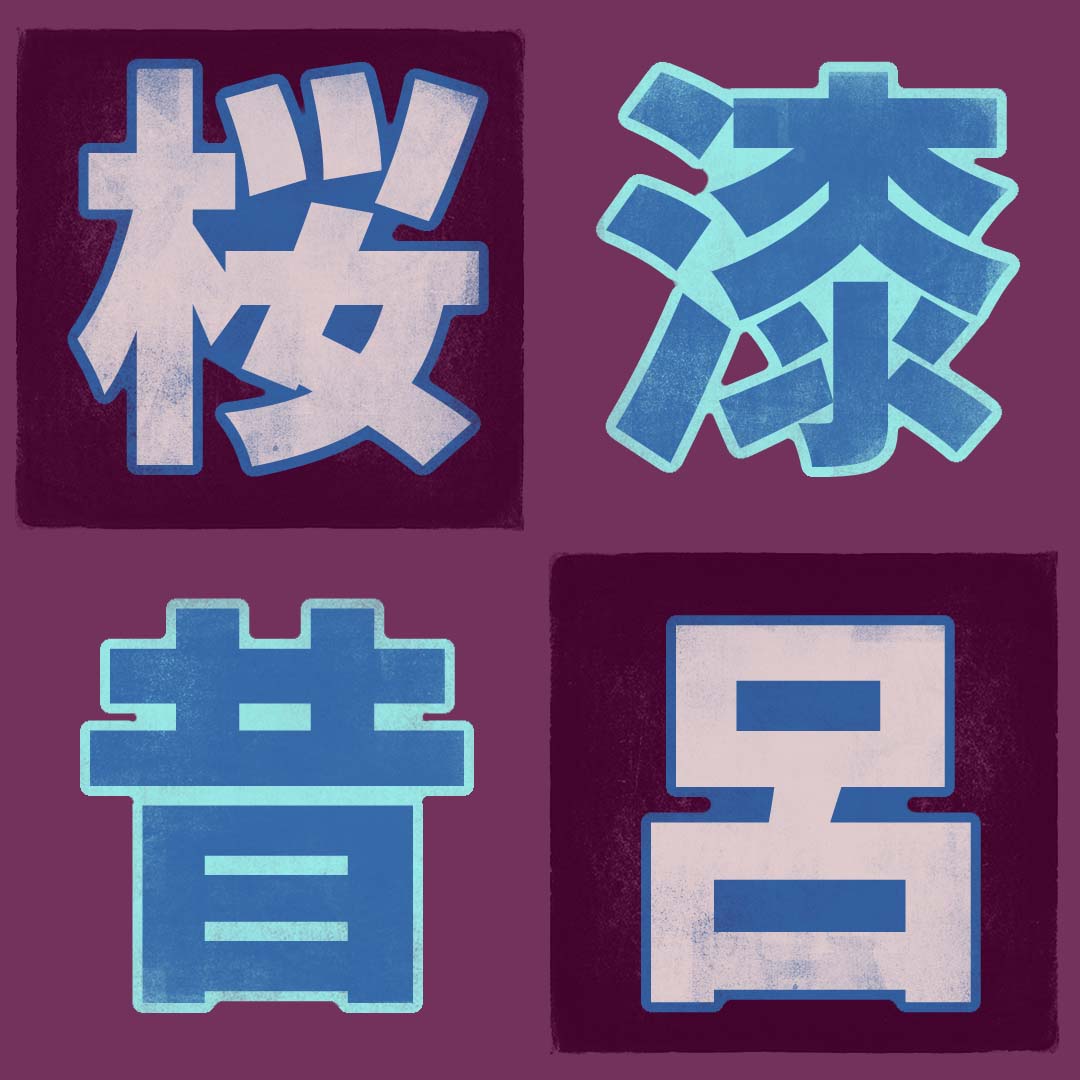
桜 漆 昔 呂
The Heian period (794–1185) produced literary firsts, as this bundle shows. Major publications included "The Tale of Genji," (54 volumes!), "The Tales of Ise" (collected poems and prose), "The Tale of the Heike" (an epic), and "Konjaku Monogatarishu" (more than a thousand tales from India, China, and Japan, including Japanese folklore). The famous いろは poem emerged, using all basic archaic syllables only once. And whereas people used to wax poetic about ume (Japanese apricots), Heian poetry instead reflected a sudden appreciation of cherry blossoms, with 花 (flower) newly meaning "cherry blossom" in verse.

Kanshudo is your AI Japanese tutor, and your constant companion on the road to mastery of the Japanese language. To get started learning Japanese, just follow the study recommendations on your Dashboard. You can use Quick search (accessible using the icon at the top of every page) to look up any Japanese word, kanji or grammar point, as well as to find anything on Kanshudo quickly. For an overview, take the tour.

×