The Kanshudo Blog

New Joy o' Kanji Thematic Bundles for September

Posted: 2026-09-30, Tags: joy-o-kanji kanji
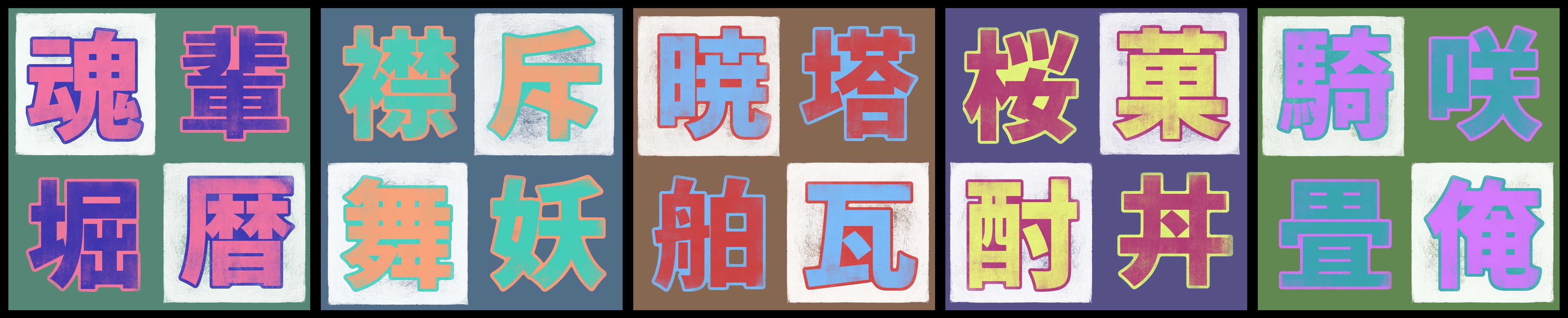
Five new bundles examine how Meiji-era Japan changed in terms of technology, clothing, art, architecture, food, and women's roles, sometimes creating an uneasy mix of East and West.
110
Meiji Era: Western Knowledge Permeates Japan
魂 輩 堀 暦
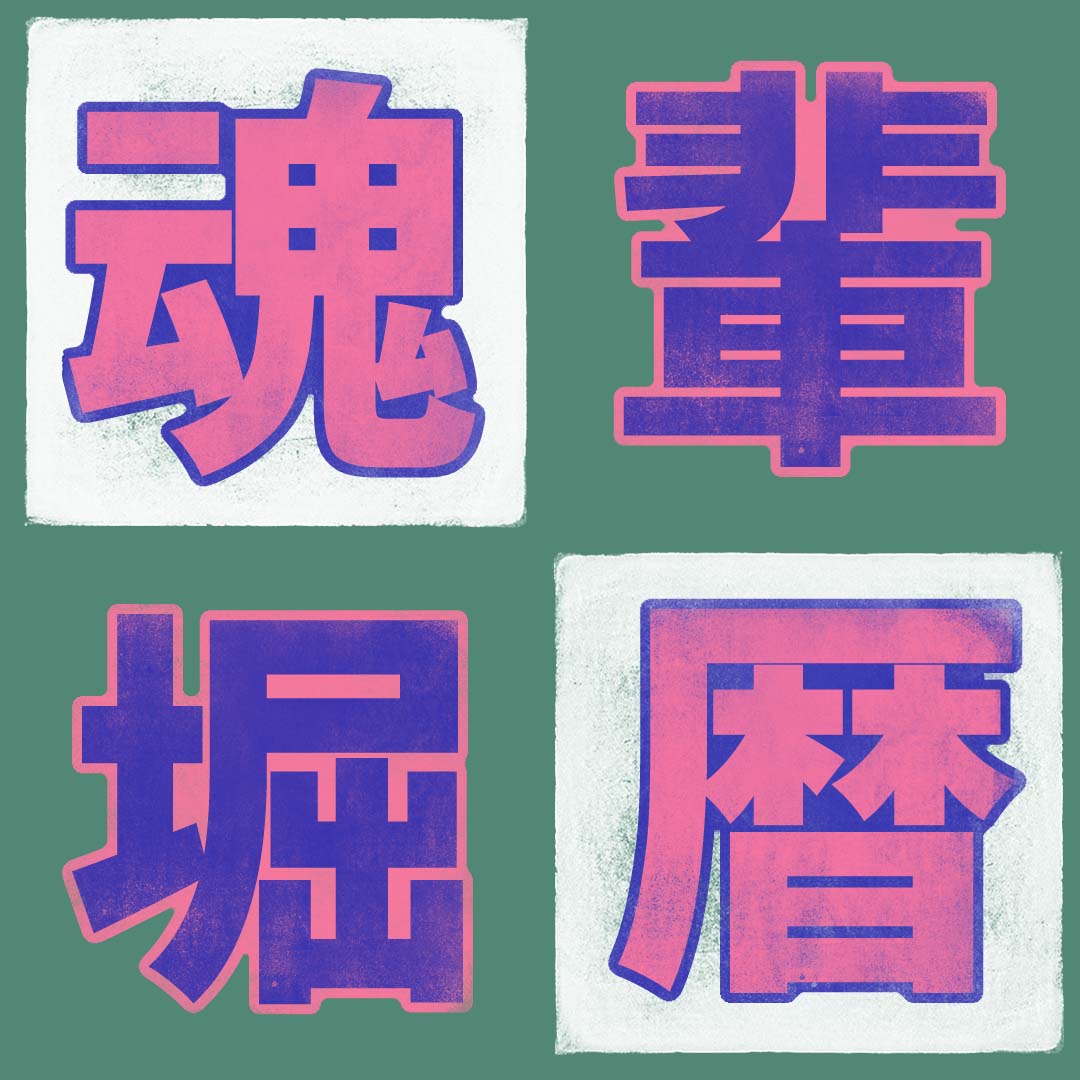
As this bundle shows, Western knowledge permeated Japanese culture in the Meiji era (1868–1912). Japan imported Western technology, along with legal and political systems, inspiring a term for "Japanese spirit imbued with Western learning." Japan also adopted the West's solar calendar, prohibiting all other calendar systems. With new railroad know-how, the Japanese shifted the main means of transportation from boats to trains, filling in many canals to lay tracks. But the blend of East and West was not entirely smooth; Soseki's Meiji-era novel "I Am a Cat" portrays the uneasy mix of Japanese traditions and Western modernity.
111
Meiji Era: Moving Away from Traditional Culture
襟 斥 舞 妖
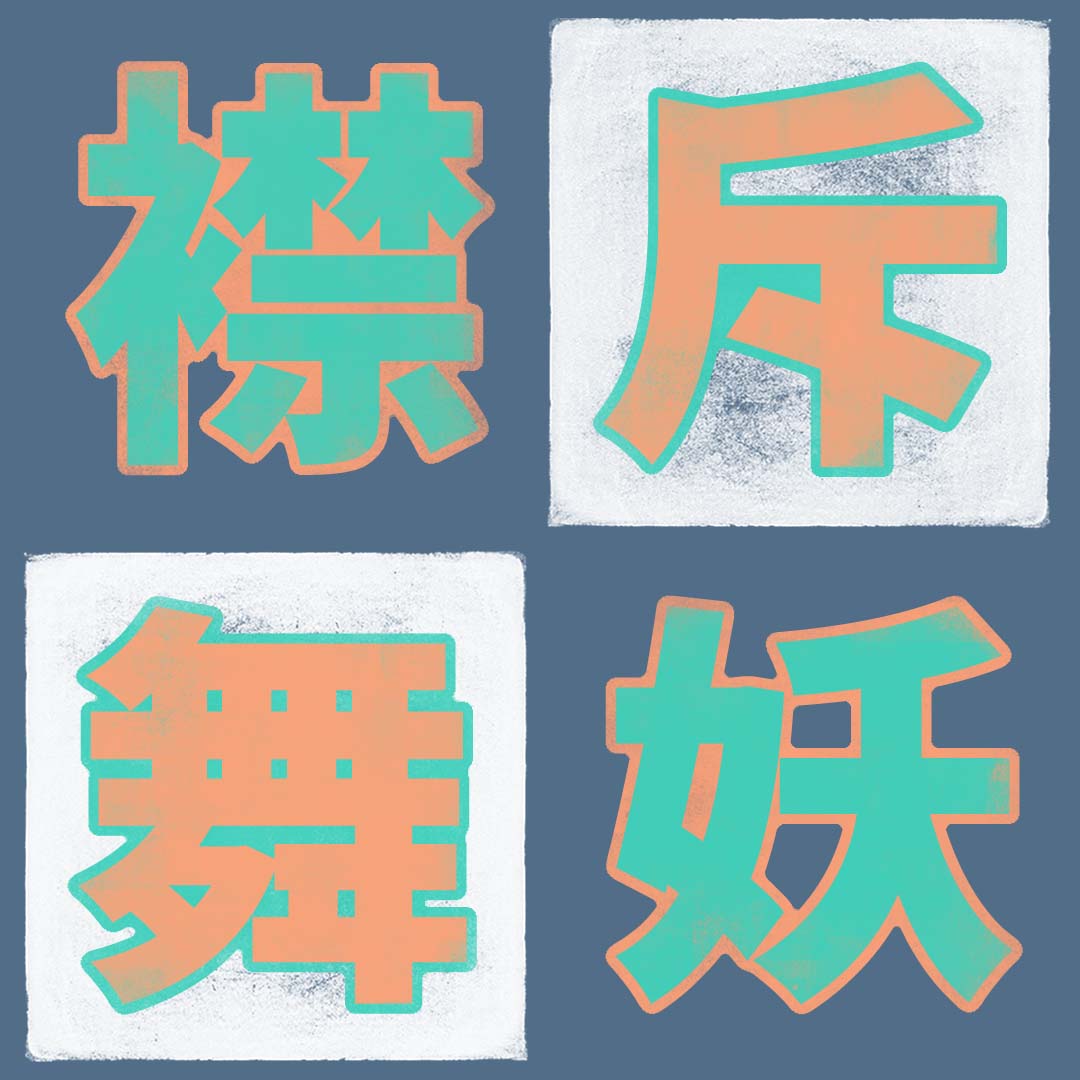
In the Meiji era (1868–1912), a westernizing Japan moved away from traditional culture, as this bundle illustrates. People rejected certain superstitions as embarrassing, such as a belief in yokai (supernatural creatures). Kabuki became more modern and radical. The Japanese viewed some Western attire as stylish, including clothing with high collars. Meiji-era students dressed shabbily to convey that they were intellectuals, inspiring a term for "unconcerned about one's personal appearance." But East sometimes clashed with West; a push to keep Japanese painting styles purely Japanese sparked boycotts of Western art.
112
Meiji Era: Western Architecture Transforms Japan
暁 塔 舶 瓦
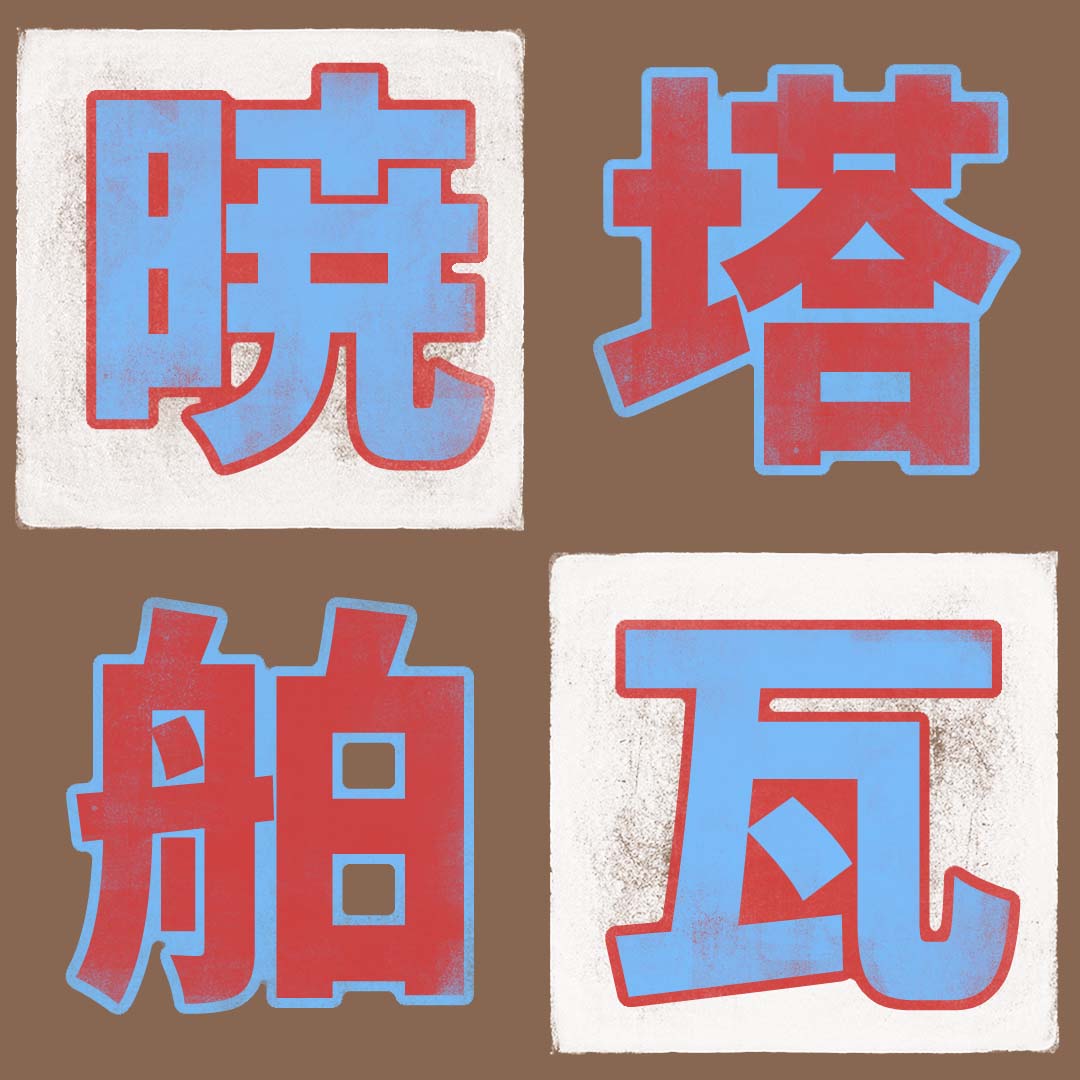
In the Meiji era (1868–1912), Western architecture transformed Japan, as this bundle shows. The Japanese government imported architecture books. Red bricks from Europe became popular symbols of modernity. Even the term for "brick" became trendy! English architect Josiah Conder apprenticed under a Japanese artist, then designed Western-style buildings in Tokyo, turning one area into a London-style business district. His Japanese disciples also designed prominent Western buildings in Japan. Modernization changed architectural language, too. For instance, 塔 once had exclusively religious meanings (e.g., "pagoda") but soon primarily represented a Western-style tower.
113
Meiji Era: Fusion Food
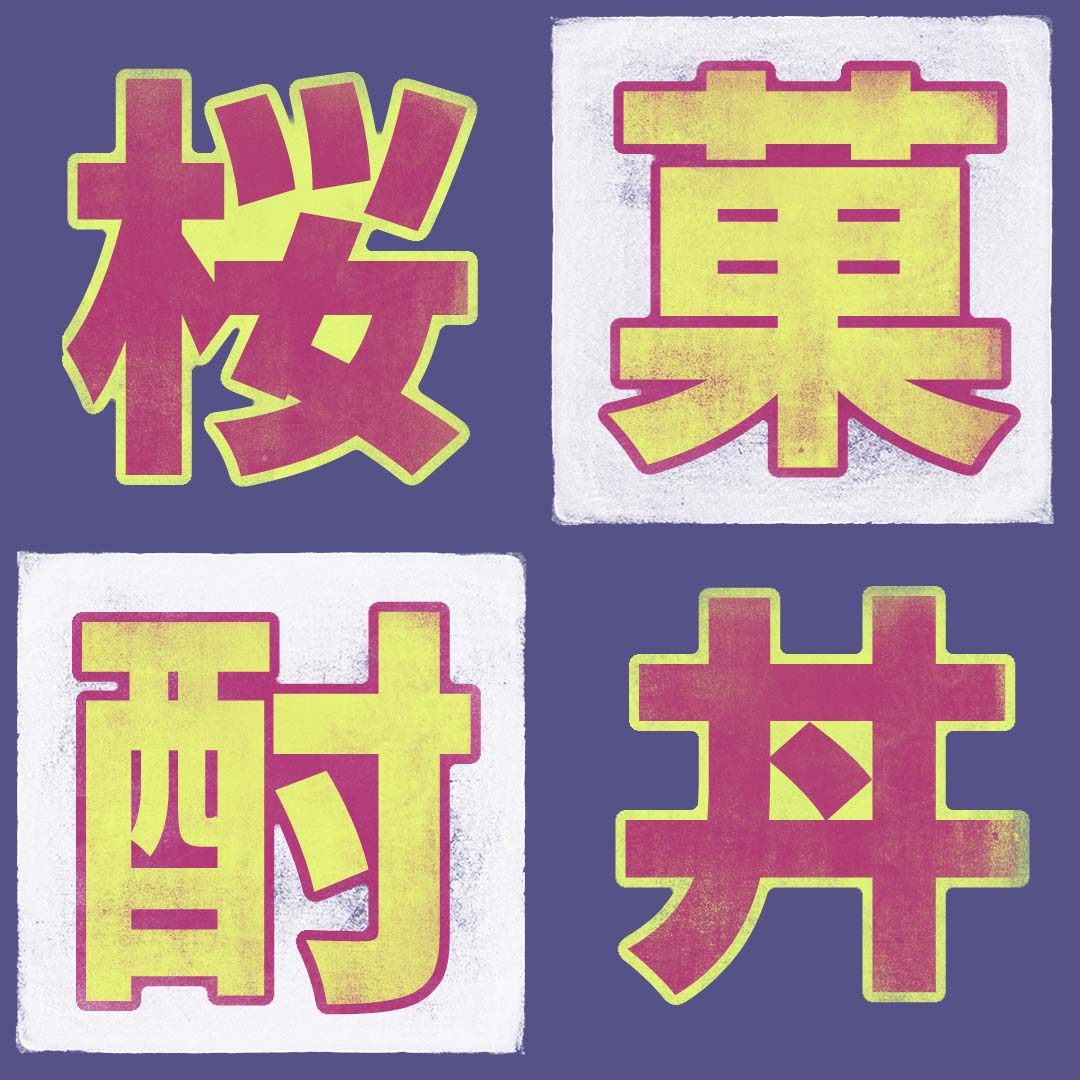
桜 菓 酎 丼
Westernizing in the Meiji era (1868–1912) changed the way the Japanese drank and ate, as this bundle reflects. Importing British machinery enabled people to mass-produce shochu. Western confections flowed into Japan, and the arrival of ice cream inspired a green tea flavor. Before 1868, the Japanese didn't eat beef, believing cows to be exclusively for physical labor. Buddhism also drove a disdain for consuming quadrupeds. But with westernization the Japanese suddenly viewed beef consumption as enlightened. Out of discomfort, though, they did name some meat dishes with flowery euphemisms (e.g., peonies and cherry blossoms).
114
Meiji Era: Women's Roles Shift
騎 咲 畳 俺
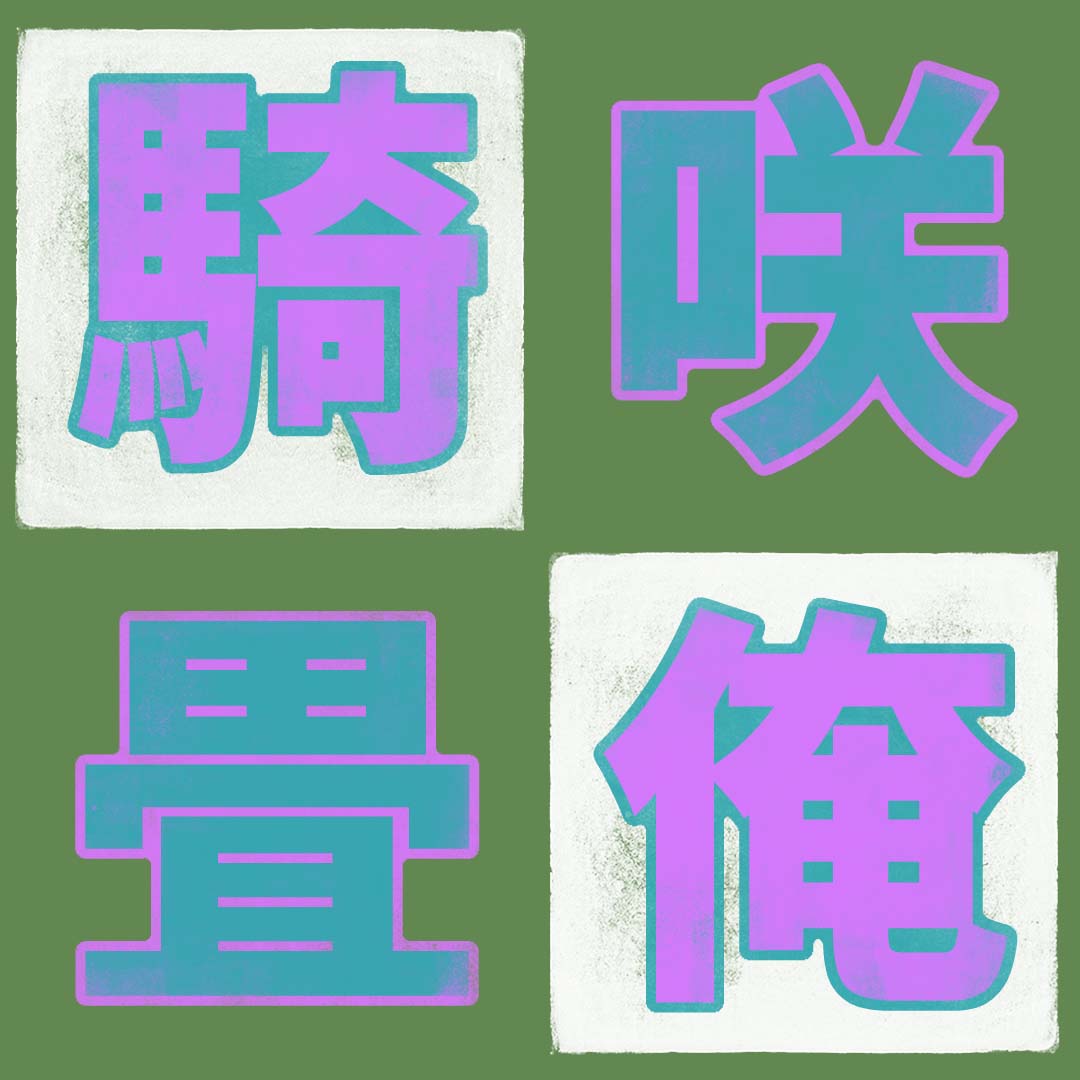
As this bundle reflects, Japanese women gained rights in the Meiji era (1868–1912). Previously, they didn't ride horses, as people considered that ill mannered. In an innovation, Meiji-era prints depicted female equestrians, including women warriors in the 1877 Satsuma Rebellion against imperial forces. Earlier, in 1868, Yae Niijima fought against the Meiji government, skillfully using a rifle to defend a castle. Women's sexuality changed, too; trysts occurred in new love hotels and even in restaurant waiting rooms. Despite these moves toward equality, men's and women's language became distinct. Separate pronouns emerged, as did female vocabulary and syntax.

Kanshudo is your AI Japanese tutor, and your constant companion on the road to mastery of the Japanese language. To get started learning Japanese, just follow the study recommendations on your Dashboard. You can use Quick search (accessible using the icon at the top of every page) to look up any Japanese word, kanji or grammar point, as well as to find anything on Kanshudo quickly. For an overview, take the tour.

×